The term “controlled environment agriculture” (CEA) refers to a variety of structures and technologies that offer plants regulated settings for growth. Here are a few examples of the various CEA systems types:
Greenhouses: A controlled environment for plants is provided by enclosed structures made of glass or other transparent materials that enable sunlight to enter. In order to control temperature, humidity, and airflow, they use ventilation, heating, and cooling systems as well as natural light, supplemented when necessary by artificial lighting. A flexible and popular kind of CEA systems that can accommodate a variety of crops and production methods is provided by greenhouses.
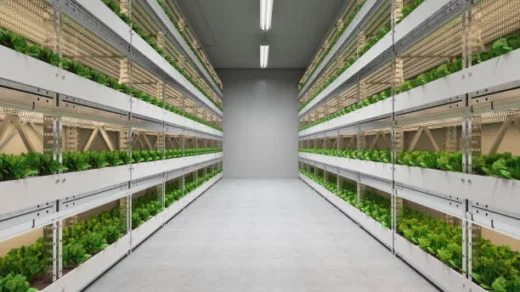
Indoor vertical farms: Indoor vertical farms use artificial illumination to grow plants vertically in stacked layers or shelves. These farms frequently employ hydroponic or aeroponic systems, making effective use of available space in crowded cities.
Container farms indoors: Container farms are independent structures often housed inside of shipping containers. These small systems come complete with hydroponic or aeroponic systems, lighting, and climate control. Urban farming, rural farming, or farming in areas with limited space can all benefit from container farms’ mobility and adaptability.
Plant factories, also referred to as growth chambers, are completely regulated indoor spaces where plants are grown with the help of artificial lighting, temperature control, and exact nutrition supply. These systems, which offer the best conditions for plant growth, are frequently employed in research, seedling propagation, and the growth of crops with high market value.