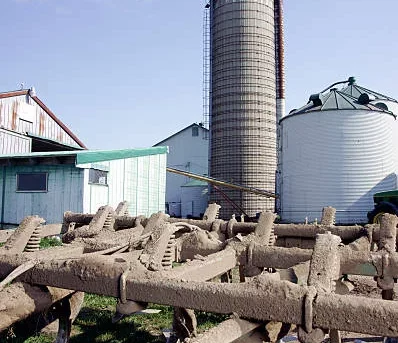
Social Impacts: In order to be sustainable, agriculture must take into account a variety of social factors, including the welfare of the community and the safety of farm workers. By enforcing labour standards, encouraging fair trade, storage facilities, and assisting local communities, effective laws and regulations can address these social issues. Without such regulations, social injustices, worker exploitation, and a disregard for community welfare may continue.
Lack of Coordination and Collaboration: In order to coordinate and promote collaboration among the numerous stakeholders in the agriculture industry, policies and laws are essential. Governmental organizations, farmers, researchers, business associations, and civic society are all included in this. Collaboration, knowledge exchange, and group action towards sustainable agriculture can be facilitated by effective policies. Without them, there might be disorganisation and a lack of coordination among stakeholders, which would impede the development of sustainable agriculture practices.
Challenges with market time: In agriculture, market timing is essential for achieving the best price realization. Without sufficient storage facilities, farmers would be forced to sell their harvest right away, even when there is little market demand or when pricing are unfavorable. Farmers’ capacity to profit from market opportunities and price variations is constrained by their inability to store produce for longer periods of time.
Seasonal Glutes and Price Volatility: Lack of storage space, particularly for perishable crops, can lead to seasonal glutes. When supply outpaces immediate demand during peak harvest times, farmers may have trouble getting reasonable pricing for their goods. Price volatility, financial losses, and the waste of agricultural resources can all arise from this.