Agricultural market

What are the prospects for agricultural market development in Oceania?

market development

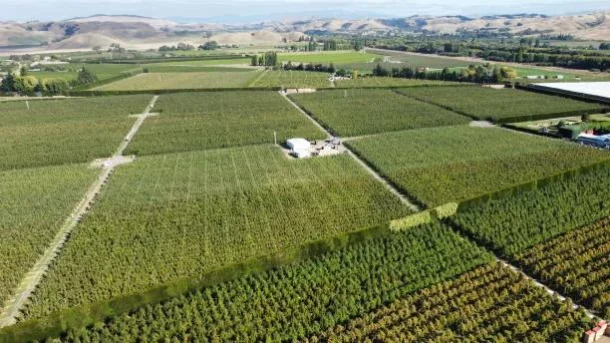
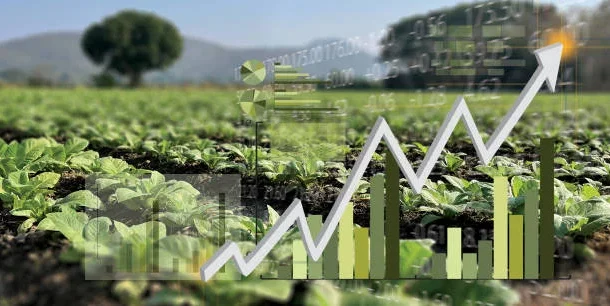
Oceania’s agricultural market development prospects are generally favorable, and a number of factors may be at play in the prospective expansion of the agricultural industry there. Oceania has a variety of agricultural landscapes, a wealth of natural resources, and distinctive agricultural products. Oceania includes Australia, New Zealand, and the Pacific Island nations. Here are some major opportunities for Oceania’s agricultural market development:

High-quality items are in high demand since Oceania produces them in large quantities, including premium cattle, lamb, dairy, fruits, and vegetables. Export opportunities to markets abroad where there is a significant demand for high-quality goods are made possible by the region’s reputation for producing sustainable and safe food.

Exports & Trade Opportunities: The agricultural export industries in Australia and New Zealand are well-established. Oceania’s geographic proximity to the Asia-Pacific area makes it well-positioned for agricultural commerce and export potential as Asian economies continue to expand.

Sustainable Agriculture: Farmers are adopting environmentally friendly practices in response to customer demand for more sustainably and ethically produced food, and there is an increasing focus on sustainable agriculture in the area.

Technological Developments: Agricultural innovation and research have a long history in Oceania. Continued investment in precision agriculture and agtech can boost farming methods’ productivity and efficacy.

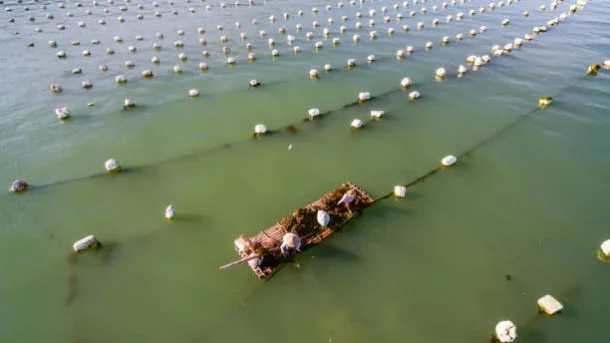
Oceania’s huge oceanic territory offers tremendous possibilities for the development of aquaculture. Sustainable aquaculture techniques can support regional economic development and food security.
How does the growing interest in organic farming impact market dynamics?

market dynamics

The market’s dynamics are significantly impacted by the rising popularity of organic farming, which also affects consumer behavior and different elements of the agricultural industry. Organic farming prioritizes soil health, biodiversity, and animal welfare while avoiding the use of synthetic fertilizers, pesticides, and genetically modified organisms (GMOs). Here are some ways that the growing demand for organic agriculture is influencing market dynamics:

Market Development: The demand for organic food and produce is rising as consumer knowledge of the environmental and health benefits of buying organic products rises. This rise in demand energizes the organic farming industry, increasing production and the range of organic goods on the market.

Price Premiums: Due to the perceived value of their sustainable and environmentally friendly production processes, organic products typically fetch higher costs in the market compared to conventional alternatives. Farmers are encouraged to switch to organic farming practices thanks to this price advantage.

Consumer Preferences: The interest in organic farming reflects evolving consumer preferences for food that is produced in a way that is healthier, more sustainable, and ethical. Customers are willing to spend more for organic goods that adhere to their ideals, which affects the market and the items available.

Market segmentation: The growing popularity of organic farming has given rise to a separate market for organic goods. Increased market segmentation results from retailers and food producers providing more organic products in response to this demand in market dynamics.

What are the challenges in achieving sustainable intensification of aquaculture?

aquaculture

There are various obstacles to overcome in order to achieve sustainable intensification of aquaculture, which entails increasing output while reducing environmental effects and retaining social and economic benefits. Aquaculture is essential for supplying the rising global demand for seafood, but it must be appropriately managed to prevent harm to the environment and nearby communities. The following are some of the major obstacles to sustainable aquaculture intensification:

Increased waste generation, nutrient runoff, and habitat degradation are some of the environmental effects of intensification. Fish overcrowding in small areas can cause water quality to deteriorate, resulting in eutrophication and toxic algal blooms.

Disease and biosecurity: As aquaculture develops, farmed fish are at a higher risk of contracting diseases. For aquaculture to be sustainable, disease risk management and biosecurity precautions must be in place.

Fishmeal and fish oil are heavily used in aquaculture feeds, which can cause overfishing and put a strain on marine resources. Feed sustainability. It is extremely difficult to create and implement sustainable substitutes for fish-based meals.

Genetic Integrity: Concerns regarding the potential effects on wild fish populations if escaped farmed fish interbreed with wild stocks are raised by the adoption of genetically enhanced fish strains for quicker growth and better disease resistance.

Increased aquacultures may result in labor problems, such as unsafe working conditions and inadequate pay for farm laborers.

How does the adoption of agtech solutions impact agricultural productivity?

agtech

The implementation of agtech (agricultural technology) solutions can significantly increase efficiency, accuracy, and decision-making in numerous facets of farming, which will increase agricultural productivity. Agtech makes use of cutting-edge technologies to improve agricultural practices overall, raise yields, decrease resource waste, and address issues faced by farmers. Following are some examples of how the use of agtech solutions affects agricultural productivity:

Agtech offers precision agricultural methods including using GPS-guided equipment and sensors to enhance nutrient application, watering, and planting. By ensuring that crops receive the proper amount of inputs and minimizing resource waste, higher yields are the result.

Data-Driven Decision Making: Agtech systems collect current information on crop health, weather trends, and soil conditions. Farmers may boost productivity by using this data-driven strategy to assist them make informed decisions about planting, fertilizing, pest control, and other management activities.

Robotics and Automated Equipment: The use of robotics and automated equipment in agriculture streamlines labor-intensive processes including planting, harvesting, and crop monitoring. Automation improves speed and efficiency of activities, which decreases human error and increases productivity.

Agtech solutions use remote sensing and imaging techniques like drones, satellite imagery, and other technology to keep an eye on vast agricultural fields. This monitoring enables the early identification of agricultural problems, enabling prompt remedial action to resolve concerns and avoid output losses.

What are the potential impacts of plant-based meat alternatives on the agricultural market?

plant-based

The agricultural sector could be severely impacted by plant-based meat substitutes in a number of ways. These substitutes, which are frequently constructed of plant proteins, strive to imitate the flavor, texture, and look of conventional meat products while also providing advantages for the environment and human health. On the agricultural market, the following effects of plant-based meat substitutes are possible:

Demand Shift: The popularity of plant-based meat substitutes may cause consumers’ preferences for traditional animal-based meat products to change. The market for livestock products may decline as more people choose plant-based diets, which would have an impact on the meat and dairy industries.

Reduced Livestock Production: As the demand for meat declines, fewer animals may be kept for food, which could alter livestock farming methods and the use of related agricultural land.

Land Use and Resource Efficiency: Compared to conventional cattle production, plant-based meat substitutes often use less land and water. This might result in more effective use of agricultural resources and possibly result in the release of land for other uses.

Environmental Benefits: Compared to growing cattle, the manufacturing of plant-based meat substitutes often produces fewer greenhouse gas emissions, contributes less to deforestation, and uses less water. This can have a good effect on the environment and combat climate change.

How does the use of biodegradable packaging impact agricultural product markets?

biodegradable

Markets for agricultural products can benefit in a number of ways from the use of biodegradable packaging, as can consumers. Packaging that may naturally disintegrate into harmless elements in the environment is referred to be biodegradable, which lessens its impact on ecosystems and landfills. Here are some ways that the usage of biodegradable packaging may affect the markets for agricultural goods:

Sustainability and environmental responsibility: Biodegradable packaging satisfies the rising customer desire for more environmentally responsible and sustainable goods. The perception of agricultural products packaged in biodegradables materials as being more environmentally friendly can draw customers who care about the environment and boost sales.

Reduced Plastic Waste: Plastic pollution, a serious environmental issue, is a result of traditional plastic packaging. Biodegradables packaging aids in the reduction of plastic waste, easing the load on landfills and preventing the introduction of plastic debris into ecosystems.

Agricultural producers and businesses adopting biodegradable packaging can improve their brand image and distinguish their products in the marketplace. By demonstrating their dedication to sustainability, they win over customers who value making ecologically friendly decisions.

Market accessibility and regulations: A few nations and regions have begun enacting laws or providing incentives to encourage the adoption of environmentally friendly packaging. Agricultural producers can ensure compliance with new environmental requirements and improve market access by using biodegradable packaging.

What is the role of agricultural insurance in mitigating production risks?

agricultural insurance

For farmers and agribusinesses, agricultural insurance is essential for reducing production risks. Agriculture is always vulnerable to a range of risks, such as unfavorable weather, pests, illnesses, price swings, and market uncertainty. Crop failures, decreased yields, and financial hardship for farmers are all possible outcomes of these hazards. A safety net and financial shield against such hazards are provided by agricultural insurance, assisting farmers in recouping losses and sustaining their livelihoods. Here are some ways that agriculture insurance reduces production risk:

Weather-related Risks: Crop insurance, a popular form of agriculture insurance, provides coverage for losses brought on by unfavorable weather conditions like floods, storms, and excessive rainfall. Farmers can recover some of their investment from crop losses and lessen the financial burden of weather-related risks by paying for crop losses.

Crop Failure and Yield Loss: Crop insurance covers crop failure and yield losses brought on by outside forces such as pests, diseases, and other natural calamities that are beyond the control of the farmer. It makes sure that farmers can continue their agricultural endeavors and recover some of their losses.

Price Fluctuations: Some agricultural insurance plans, such as revenue insurance, shield farmers against market price swings. Farmers are compensated to help cover the difference and stabilize their income if market prices fall below a specific threshold.

In some circumstances, agricultural insurance may provide compensation for input expenditures, such as those associated with seeds, fertilizer, and pesticides, in the event that a crop fails. In the event of unanticipated situations, this aids farmers in recovering their expenses.

How do changing labor demographics influence agricultural production costs?

demographics

The availability, cost, and productivity of agricultural labor are all directly impacted by shifting labor demographics, which can have a considerable impact on the costs associated with agricultural output. The agriculture industry’s shifting labor demographics are influenced by a number of variables, including:

Aging Workforce: As fewer young people choose jobs in farming or agricultural labor, the agricultural workforce is aging in many places. As more seasoned workers leave, there may be a labor shortage, which could make it difficult to locate qualified replacements.

Urbanization and migration: A typical trend in many nations is rural-to-urban movement, which reduces the labor force in rural areas. Planting, harvesting, and other seasonal agricultural activities may be affected by labor shortages brought on by the migration of rural residents to urban areas.

Foreign labor: In some areas, the agricultural sector depends heavily on migrant labor, frequently from nearby nations. The availability and cost of foreign labor may change due to changes in immigration laws or economic conditions, which could affect production costs.

Mechanization and automation: The need for manual labor has decreased as a result of improvements in agricultural technology, such as farm machinery and automation. The necessity for human labor may decline with more mechanization, which may also result in lower labor costs.

Wages and Labor Laws: Agricultural producers’ labor expenses may be impacted by changes to labor laws, minimum wage policies, and labor restrictions. Production costs may increase as a result of higher wages or stricter labor compliance regulations.

What are the impacts of agricultural market fluctuations on agribusinesses?

agribusinesses

Agribusinesses may be significantly impacted by changes in the agricultural market, which may have an impact on their operations, profitability, sustainability overall, and investment choices. The agricultural market is fundamentally vulnerable to a number of factors that might change demand and affect prices. The following are some significant effects of market changes on agribusinesses:

Profitability: Market alterations can cause agricultural commodities’ prices to fluctuate. Agriculture-related firms that manufacture or sell these products may see changes in their income and profit margins. While price spikes might present possibilities for greater income, sudden price decreases can reduce profitability.

Cost of inputs: Agribusinesses frequently deal with fluctuating costs for inputs including fertilizer, seeds, insecticides, and fuel. Changes in input costs can have an effect on production costs and have a negative influence on an agribusiness’s overall profitability.

Market changes may have an impact on an agribusiness’ inventory management. When prices are high, companies could keep their stock on hand in case prices continue to rise. On the other hand, during times of low prices, they might struggle to control excess inventories.

Access to finance and funding for agribusinesses may be impacted by market changes. It may be difficult for firms to obtain loans or lines of credit for investments and operations during uncertain times because lenders may be wary.

Supply Chain Disruptions: Agricultural market fluctuations can cause supply chains to break down. Agribusinesses might have trouble finding raw materials or getting their products to clients, which would make it harder for them to meet customer demand and complete contracts.

How does the growing interest in regenerative agriculture affect market trends?

growing interest

Market trends are being significantly impacted by the growing interest in regenerative agriculture as consumers, farmers, businesses, and governments increasingly grasp the potential advantages of this agricultural method. Regenerative agriculture concentrates on boosting biodiversity, restoring soil health, and sequestering carbon in an effort to build more resilient and long-lasting agricultural systems. The following are some ways that market patterns are being affected by the interest in regenerative agriculture:

Consumer Interest in Food Products Produced utilizing Regenerative Practices is Growing: There is an increase in consumer demand for products made utilizing regenerative techniques. As a result of this demand, food businesses and retailers are sourcing and promoting regenerative goods, expanding the market’s options.

Premium Pricing and Labeling: Due to their alleged benefits for the environment and human health, regenerative products frequently attract premium prices. Companies are increasingly branding their goods as “regenerative” in an effort to draw in customers who care about the environment and are willing to pay more for sustainability.

Change in Supply Chain Procedures: In order to get products from regenerative farms, food manufacturers and merchants are reexamining their supply chain procedures. Changes in sourcing practices and supplier contract requirements are being driven by this transition.

Investment in Research and Development: As regenerative agriculture has gained popularity, there has been an increase in funding for research and development with the goal of identifying and putting into practice the best techniques for enhancing ecosystem services, enhancing soil health, and boosting production.