Weed management

How does the use of pesticides and herbicides affect agricultural market dynamics?

pesticides and herbicides

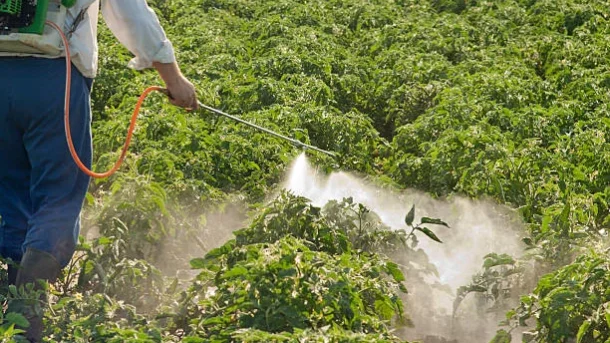
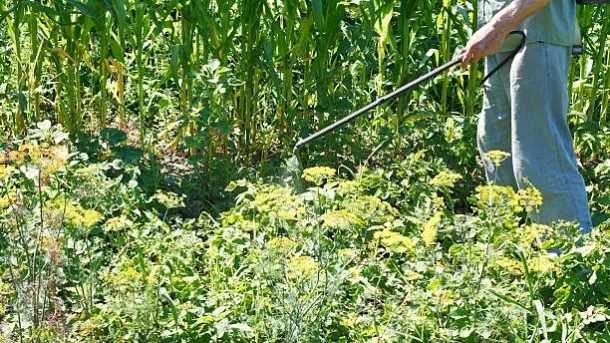
The dynamics of the agricultural market can be significantly impacted by the usage of pesticides and herbicides. While these pesticides are essential for boosting agricultural output by weeding and controlling pests, their use also has a number of market-related ramifications. The following are some ways that the usage of pesticides and herbicides impacts the dynamics of the agricultural market:

Higher Crop Yields: By helping to protect crops from pests and weeds, pesticides and herbicides can enhance crop yields and productivity. This production surplus has an impact on supply dynamics and market prices.

Price Stability: The use of pesticides and herbicides can help maintain prices in the agricultural market by decreasing crop losses brought on by weeds and pests. A consistent crop supply helps reduce price swings brought on by

Market Access and Export Possibilities: Agricultural products’ market access, particularly in international trade, can be improved through increased crop quality and decreased pest and weed contamination. Accessing international markets requires meeting strict quality standards.

Consumer Demand and Safety: Using pesticides and herbicide can cause consumers to worry about the safety of the food being produced. Growing customer preference for organic or pesticide-free goods could result from increased knowledge of pesticide residues, which would affect market demand.

Environmental Impact: Pesticides and herbicides can have harmful environmental effects, such as soil degradation, water pollution, and harm to organisms that aren’t their intended targets. Increasing consumer and market demand may be impacted by environmental challenges.
What are the benefits of using biological control methods for weed management?

weed management

When opposed to traditional chemical pesticides, using biological control approaches for weed management has various advantages. The following are the main benefits of using biological control to manage weeds:

Environmental security: Biological control techniques concentrate on employing natural enemies to control weed management, such as insects, diseases, or animals. Unlike chemical herbicides, which harm non-target plants and the environment, biological control agents are specific to the weeds they target. This strategy lessens the possibility of soil and water contamination, cuts down on pesticide residues, and protects biodiversity.

Biological control is a long-term and environmentally friendly method of managing weeds. Once established, natural enemies can continue to control weed populations for a considerable amount of time. This lessens the requirement for recurrent herbicide applications, as well as the expenses and inconvenience.

Reduced weed populations that are resistant to herbicides: The widespread use of chemical pesticides can cause this problem. An other tactic that can slow the emergence and spread of herbicide-resistant weeds is biological control. The introduction of many natural enemies targets weeds via various mechanisms, lowering the selective pressure for herbicide resistance.

Cost-effectiveness: In the long run, biological control may be less expensive than repeatedly using herbicides. Once established, natural enemies can continue to control weed growth without ongoing inputs. As a result, it may be possible to cut back on the cost of herbicides, manpower, and any associated apparatus or equipment. Large-scale weed management activities may benefit especially from it.

What are the advantages of using biodegradable mulch films?

biodegradable mulch films

Comparing biodegradable mulch films to conventional plastic mulch films, there are a number of benefits for agricultural use. The following are the main gains of use biodegradable mulch films:

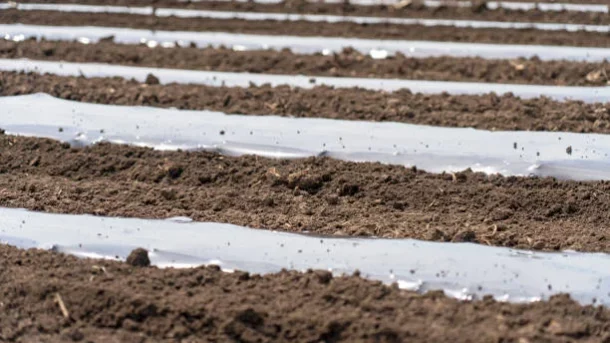
Sustainability in terms of the environment: Biodegradable mulch films are made to decompose naturally over time, preventing the buildup of plastic waste in the environment. Biodegradable mulch films break down into non-toxic, environmentally beneficial components as opposed to traditional plastic mulch films, which can linger in the soil for years. This encourages more environmentally friendly agriculture methods and lessens the harm that plastic pollution causes to the ecosystem.

Fertility and soil health: Biodegradable mulch film encourage the assimilation of organic matter and nutrient cycling, which improve soil health. These films add organic carbon to the soil as they decompose, enhancing soil structure, moisture retention, and nutrient availability. 

Biodegradable mulch film reduce the need for manual removal and disposal at the conclusion of the growing season, saving time and money. There is no need for time-consuming and expensive removal procedures because they organically decompose in the soil. This makes managing plastic mulch film less expensive for farmers because it saves time, labor, and disposal costs.

Water management: By lowering evaporation and preventing weed development, biodegradable mulch film help preserve soil moisture. These films assist preserve soil moisture by serving as a barrier between the soil and the atmosphere, which lessens the need for regular irrigation. Crop development is aided by maintaining proper soil moisture levels, particularly in dry or arid areas, and this helps agriculture conserve water.

 How does crop rotation improve soil fertility?

crop rotation

Crop rotation is a farming technique that entails planting several crops in an area in a planned order throughout time. Numerous advantages come from this method, including increased soil fertility. Crop rotation improves soil fertility in the following ways:

Cycling of nutrients: varied crops have varied nutrient needs and use nutrients from the soil in different ways. Through crop rotation, nutrients can be transferred across several plant types. Leguminous plants, like beans and peas, can, for instance, fix atmospheric nitrogen through symbiotic partnerships with bacteria that fix nitrogen. Legumes enhance the soil with nitrogen when they are grown in rotation with other crops, which benefits succeeding crops with higher nitrogen requirements.

Control of disease and pests: Crop rotation breaks up the life cycles of pathogens, illnesses, and pests. Numerous pests and diseases are host-specific, meaning they favor or focus on particular crops. Farmers can stop the cycle of pests and diseases that may have accumulated in the soil by rotating their crops. By suppressing soilborne illnesses through allelopathy, competition, or biological interactions, different crop species in rotation can lessen the need for chemical interventions.

Crop rotations disrupts the life cycles of weeds and lowers their population, aiding in weed management. Rotating crops with various growth habits and competitive traits helps reduce weed growth. Weed pressure varies depending on the crop. Crop rotations can also facilitate the application of particular weed control techniques, such as switching between crops.

Enhanced Soil Structure: The root structures and depths of various crops vary. Crop rotation alters root growth patterns and encourages a diversified root system, both of which contribute to improve soil structure. Compacted soil layers can be broken up, soil aeration can be improved, and water penetration can be improved by deep-rooted crops. This enhances the health of the soil overall and its ability to absorb nutrients.

 What are the advantages of using drip irrigation systems?

drip irrigation systems

Comparing drip irrigation systems to conventional irrigation techniques, there are a number of benefits. Some of the main benefits of employing drip irrigation are as follows:

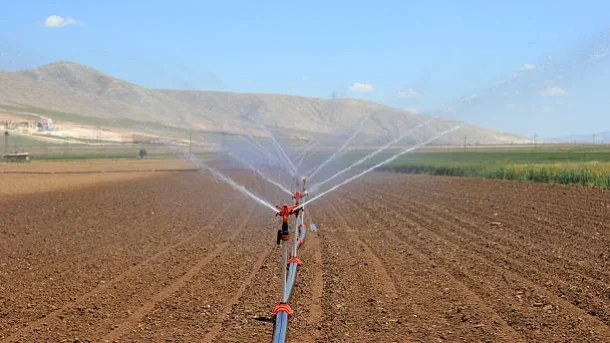
Water Efficiency: Drip irrigation uses water very effectively. It minimizes evaporation and reduces water loss through runoff or deep percolation by delivering water directly to the plant’s root zone. Water resources are conserved while ensuring that plants receive the essential moisture thanks to this precise application of water.

Water Application Precision: Drip irrigation allows for precise water application management. Water is distributed precisely and uniformly across the field via emitters or drip tapes because the water is released at a slow, steady rate. With less over-irrigation and less water stress on plants, this precision aids in the efficient use of water.

Reduced Weed Growth: Drip irrigation avoids wetting the entire field surface by delivering water directly to the crop’s root zone. This lessens the amount of moisture that weeds may get, reducing weed germination and growth. Farmers can thus save money on labor and pesticide expenses related to weed control.

Efficiency in terms of nutrients: Fertigation, or mixing fertilizer with irrigation water, can be incorporated into drip irrigation systems. In order to ensure effective nutrient uptake by plants, this enables accurate and targeted nutrient delivery to the root zone. Leaching and runoff nutrient losses are reduced, increasing the effectiveness of fertilizer application.

 What is the role of biotechnology in crop protection?

crop protection

By providing cutting-edge technologies and methods to generate crops with increased resistance to pests, diseases, and environmental challenges, biotechnology plays a vital role in crop protection. Several important uses of biotechnology in crop protection are listed below:

Biotechnology permits the genetic modification of crops to express resistance to particular pests. Genetic engineering for pest resistance. Crop plants can be genetically modified using genes from naturally occurring pest-resistant organisms like bacteria or other plants. By enabling the crops to create proteins or substances that are poisonous to pests, the demand for chemical pesticides is diminished.

Disease Resistance: Through genetic modification, biotechnology can improve crops’ resistance to illnesses. Crop plants can be genetically modified to have disease resistance characteristics, protecting them against bacterial, viral, or fungal infections. This genetic improvement lessens crop losses and the need for antibiotics or chemical fungicides to manage disease.

Herbicide Tolerance: Using biotechnology, it is possible to create crops that are resistant to a particular class of herbicides. Crops that have undergone genetic alteration can tolerate the use of herbicides, which can kill weeds while sparing agricultural plants. This characteristic encourages effective and focused weed control, which lessens the need for mechanical or manual weed management techniques.

Abiotic Stress Tolerance: Biotechnology can increase a crop’s resistance to abiotic stresses like heat, cold, salt, drought, and other similar conditions. Through the use of genetic engineering techniques, genes that increase the plant’s capacity to withstand these stresses can be added, enhancing crop performance in challenging environmental conditions. Farmers are now able to grow crops in areas with difficult climatic conditions.

Biofortification: Using biotechnology, the nutritional value of crops can be improved. Crops can be genetically modified to be enhanced with necessary vitamins, minerals, or other nutrients, thereby solving nutritional inadequacies in certain geographic areas. The improvement of human nutrition and health is made possible by biofortification.

What is the role of artificial intelligence (AI) in agriculture?

artificial intelligence (AI)

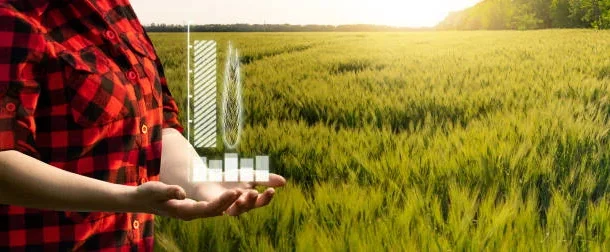
A variety of facets of agriculture have been transformed and improved thanks in large part to artificial intelligence (AI). It provides creative ideas to raise farming methods’ productivity, sustainability, and effectiveness. Following are some of the main uses of AI in agriculture:

Crop Monitoring and Management: Real-time crop monitoring is made possible by artificial intelligence (AI) technologies working in conjunction with sensors and image systems. AI algorithms may assess crop health, spot infections, spot nutrient deficits, and optimize irrigation and fertilizer use using data from remote sensing, drones, or on-field sensors. This makes it possible to make precise and focused treatments, which lowers input waste and boosts agricultural yields.

Crop Yield Forecasting and Prediction: AI models may provide predictions about crop yields based on historical and current data, such as weather patterns, soil conditions, and crop traits. AI algorithms can produce precise yield estimates by combining data from numerous sources, assisting farmers in making decisions about market planning, resource allocation, and risk management.

Weed & Pest Management: AI-powered systems are able to recognize and distinguish between crops and weeds, enabling more precise weed control methods. In order to identify certain weed species and make recommendations for the application of a particular herbicide, machine learning algorithms can evaluate photos. AI can also help with pest identification and prediction, enabling early intervention and lowering the need for pesticides.

How does genetic engineering contribute to crop improvement?

genetic engineering

Through the introduction of particular genes or the change of already existing genes in crop plants, genetic engineering, commonly referred to as genetic modification or biotechnology, has considerably improved crops. Here are some ways that genetic engineering enhances crops:

Pest and disease resistance: Through genetic engineering, genes that give resistance to pests, illnesses, and pathogens can be introduced. The need for chemical pesticides can be reduced, for instance, by engineering crops to produce insecticidal proteins (like Bt toxins) that selectively target pests. Similar to humans, plants can be genetically modified to increase their natural defenses against bacterial, viral, or fungal infections.

Herbicide tolerance: Through genetic engineering, genes that confer resistance to particular herbicides can be introduced. Due to this characteristic, farmers may more successfully control weeds by applying herbicides selectively without endangering the crop. Herbicide-tolerant plants encourage more effective and economical weed management by reducing the need for manual or mechanical weed control techniques.

Tolerance to abiotic stress: Genetic engineer can improve a crop’s resistance to environmental challenges including salt, drought, heat, or nutrient shortages. Genes that help plants better survive or adapt to challenging environments can be introduced by scientists. These characteristics increase crop output in areas vulnerable to these pressures and lessen the effects of climate change.

Better nutritional value: Crops’ nutritional characteristics can be improved by genetic engineering. Scientists can add or change genes that are involved in the production or accumulation of nutrients, leading in crops that have higher concentrations of vital vitamins, minerals, or other advantageous chemicals. This might help with vitamin deficits and raise the nutritional value of common food crops.

 What are the challenges and benefits of transitioning to organic farming?

transitioning to organic farming

Converting to organic farming has advantages and challenges. An outline of the difficulties and advantages of the transitioning to organic farming is given below:

Transitioning to organic farming has its challenges.

Transitional period: Farmers must follow organic practices during this time without being able to name their produce as organic in order to receive organic certification. Typically, this transition period lasts several years, during which farmers could experience difficulties with their finances and market accessibility.

Acquiring new information and skills: Making the switch to organic farming frequently calls for farmers to do so. The methods used in organic farming may be very different from those used in conventional farming, therefore farmers must become familiar with organic soil fertility management, pest and disease control, weed management, and certification standards.

Variability in yield: As the soil acclimates to organic farming methods during the early transition period, farmers may encounter variability in yield. As the soil regains its health and fertility through organic methods, temporary yield losses may happen. This problem can be reduced with good planning, soil management, and agronomic techniques.

Management of pests and diseases: Integrated pest management (IPM) techniques and organic pest control approaches are used in organic farming. Without synthetic drugs, controlling pests and illnesses can be more difficult and may call for a deep understanding of crop dynamics, pest life cycles, and ecological relationships.

How does organic farming minimize the use of synthetic inputs?

synthetic inputs

By employing certain techniques and guiding principles that give natural and organic alternatives priority, organic farming reduces the usage of synthetic inputs. The following is how organic farming does this:

Natural pest and disease management: Rather than relying on synthetic chemical pesticides, organic farmers put their attention on naturally preventing and controlling pests and illnesses. Crop rotation, intercropping, biological management (using helpful insects or predators), physical barriers, and the choice of pest-resistant varieties are a few examples of these techniques. Organic farmers are able to effectively control pests and diseases without the use of synthetic chemicals by fostering biodiversity and implementing these integrated pest management (IPM) techniques.

Management of soil fertility: Organic farmers use natural sources of nutrients to feed the soil rather than manufactured fertilizers. They use organic matter like compost, manure, or green manure, as well as techniques like crop rotation and cover crops. These organic inputs replace the nutrients in the soil, increase the amount of organic matter in the soil, strengthen soil structure, and promote the growth of beneficial soil microbes. This method decreases the requirement for synthetic fertilizers while promoting long-term soil fertility.

Weed control: Organic farmers use a variety of techniques rather than synthetic chemicals to control weeds. These strategies include cover crops, mechanical weed management (such as hand weeding, hoeing, or mulching), and precise cultivation methods. 

Genetic diversity and crop choice: The utilization of various crop rotations and the choice of plant types that are innately adapted to local conditions and have built-in resistance to pests and diseases are key components of organic farming. Organic farmers lessen their reliance on synthetic inputs by fostering genetic diversity, which also helps them grow resilient crops that are more resistant to pests and illnesses.