Post-harvest management

How does gene editing offer new opportunities for crop improvement?

crop improvement

By permitting precise and targeted alterations of particular genes, gene editing, a potent biotechnology tool, opens up new possibilities for crop improvement. Here are some ways that gene editing helps to improve crops:

Enhanced Trait Development: The precise editing or modifying of particular genes of interest is now possible thanks to gene editing tools like CRISPR-Cas9. The development of crops with desirable features, such as increased yield, disease resistance, stress tolerance, or nutritional quality, is made possible through this focused alteration. Faster trait development is made possible through gene editing, which provides a more effective and precise alternative to conventional breeding techniques.

Speed and Accuracy: Crop genomes may be altered quickly and precisely thanks to gene editing technology. Gene editing permits immediate change of target organisms in contrast to conventional breeding techniques, which include crossover and selection across several generations.

In order to add specific genetic variations or change existing genes without introducing foreign DNA from distant species, gene editing techniques can be used. This makes it possible to retain genetic variation within crop species, allowing for the enhancement of traits while upholding the crop’s genetic purity and familiarity. Different crop varieties can use gene editing without losing their genetic variety.

Reduced Unwanted features: Gene editing offers the possibility of reducing or eliminating unwanted features in crops. Gene editing enables the creation of superior crop improvement types with fewer or no unwanted features by focusing on and altering the genes that are responsible for traits like susceptibility to diseases, pests, or poor post-harvest quality.
What is the primary goal of the National Mission on Agricultural Extension and Technology (NMAET)?

Agricultural Extension

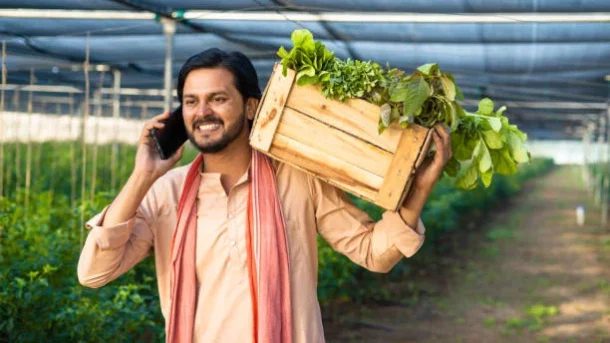
The National Mission on Agricultural Extension and Technology (NMAET)’s main objectives are to improve agricultural extension services in India and encourage farmers to adopt cutting-edge agricultural technologies. Through efficient extension and technology distribution, the objective is to increase agricultural productivity, increase farmers’ income, and ensure sustainable agricultural growth.

The National Mission on Agricultural Extension and Technology’s main goals are as follows:

Enhancing the quality and scope of extension services will help NMAET achieve its goal of strengthening the current agricultural extension system. Enhancing the knowledge and abilities of extension staff, creating efficient communication channels, and employing information and communication technology (ICT) are all necessary to make it easier for farmers to receive agricultural information.

Dissemination and acceptance of technology: The objective is to encourage farmers to adopt cutting-edge agricultural technologies and best practices. By easing the flow of technology and knowledge from research centers to the field, it seeks to close the knowledge gap between farmers and academic institutions. Promoting the use of enhanced seeds, effective irrigation methods, crop management practices, mechanization, post-harvest technologies, and other innovations that help raise agricultural productivity and sustainability are a few examples of this.

NMAET places a strong emphasis on training and capacity development programs for farmers in order to improve their knowledge and abilities in contemporary agricultural methods. These training courses cover a wide range of subjects, such as methods for crop production, management of soil and water quality, control of pests and diseases, farm mechanization, value addition, and marketing tactics.

Increasing farmer empowerment through Farmer Producer Organizations (FPOs): To increase farmer empowerment, increase their negotiating power, and promote collective decision-making, the mission supports the development and strengthening of Farmer Producer Organizations (FPOs). Farmers can access inputs, loans, technology, and markets through FPOs, which helps to improve their socioeconomic circumstances.

Name a scheme that aims to promote the cultivation of cashew and provide support for cashew processing units.

cashew processing

The “Mission for Integrated Development of Horticulture” (MIDH) is one program that attempts to support cashew processing facilities in India and encourage cashew processing farming. The Ministry of Agriculture and Farmers Welfare, Government of India, is responsible for carrying out the Mission for Integrated Development of Horticulture.

The Cashew Development Program’s main goals and initiatives typically consist of:

Promotion of Cashew Cultivation: The program’s main objective is to increase cashew production by giving farmers financial help, technical aid, and training. It involves assistance with the creation of fresh cashew orchards, the restoration of aged and underutilized orchards, the use of superior planting materials, and the adoption of best agricultural practices.

Training and Capacity Building: The initiative places a strong emphasis on training and capacity building programs for farmers growing cashews. It offers instruction on a variety of elements of cashew production, such as post-harvest management, irrigation management, planting methods, and pest and disease control.

Research and Development: The program funds initiatives for the production and processing of cashews. In order to create and spread better cashew varieties, crop management strategies, and processing methods, it encourages partnerships with research facilities, agricultural universities, and technology providers.

Which government initiative focuses on promoting the cultivation of aromatic rice varieties?

aromatic rice varieties

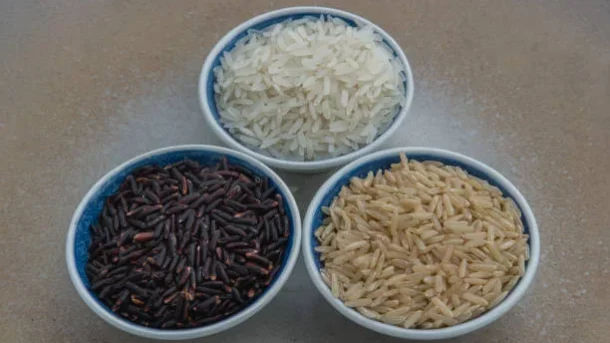
The “National Mission on Sustainable Agriculture” (NMSA), a government program, aims to encourage the production of fragrant aromatic rice varieties in India. The Department of Agriculture, Cooperation & Farmers Welfare, Ministry of Agriculture and Farmers Welfare, Government of India, is in charge of implementing the National Mission on Sustainable Agriculture.

Distribution of Seeds: The NMSA is in favor of providing farmers with high-quality seeds of aromatic rice types. In order to guarantee greater yields, better quality, and genetic integrity of aromatic rice crops, it stresses the use of certified and upgraded seeds.

Technical Assistance: The mission helps farmers grow aromatic rice varieties by offering advice and technical support. In order to promote optimal agricultural practices, water management, nutrition management, pest and disease control, and post-harvest management specifically for the cultivation of aromatic rice, this also involves training programs, demonstrations, and capacity building efforts.

Infrastructure Development: The NMSA is focused on creating the infrastructure required for the production of fragrant rice. To support the cultivation and post-harvest management of aromatic rice crops, this entails the establishment of irrigation systems, water management infrastructure, storage facilities, and other crucial infrastructure elements.

Market Linkages: The mission enables farmers who grow aromatic rice to connect with markets and gain access to markets. For aromatic rice varieties, it encourages value addition, market diversification, branding, and market intelligence, providing better market pricing and enhanced market opportunities for farmers.

Name a government program that provides financial assistance for the establishment of cold chains in horticulture.

horticulture

The “Scheme for Integrated Cold Chain and Value Addition Infrastructure” is one government initiative that offers financial support for the construction of cold chains in India’s horticulture industry. Common names for this program include “Cold Chain Scheme” and “Cold Chain Development Program.” The Government of India’s Ministry of Food Processing Industries is in charge of carrying it out.

The main goals of the Cold Chain Scheme typically consist of:

Infrastructure Development: The program intends to encourage the creation of an integrated cold chain and infrastructure for value addition in the horticulture industry. In order to handle, store, and transport horticultural goods effectively, it supports the construction of cold storage facilities, pre-cooling units, pack houses, ripening chambers, reefer trucks, and other infrastructure elements.

Preservation and Quality Maintenance: The plan’s main goals are to keep horticulture produce’s quality intact and increase its shelf life. In order to maintain the freshness, nutritional value, and marketability of horticulture commodities, it encourages the implementation of best practices and technologies for cold storage, controlled environment storage, temperature-controlled transportation, and other post-harvest interventions.

The Cold Chain Scheme places a strong emphasis on horticulture produce’s value addition and processing. In order to increase the market value and diversify the product line of horticulture commodities, it encourages the building of processing units, pack houses, grading and sorting units, and other value-added facilities.

Which scheme provides financial assistance for the establishment of post-harvest infrastructure in rural areas?

post-harvest

The “Mukhyamantri Saur Krishi Yojana” (MSKY) is one program that offers financial aid for the construction of post-harvest infrastructure in rural parts of India.

A government program called the Mukhyamantri Saur Krishi Yojana is being carried out by the respective state governments with the goal of encouraging the use of solar energy in agricultural processes and offering financial support for various solar-powered structures and equipment in rural areas.

Financial support is given for the building of post-harvest infrastructure using solar-powered technologies under the Mukhyamantri Saur Krishi Yojana. This might include solar-powered grain mills, charkhas (spinning wheels), cold storage facilities, dryers, and other tools and systems that help with post-harvest management and processing.

The Mukhyamantri Saur Krishi Yojana’s goals are to make it easier to use solar energy for agricultural purposes, lessen reliance on traditional energy sources, and improve the effectiveness of post-harvest activities in rural regions. The program aims to increase agricultural produce storage, processing, and value addition, reduce post-harvest losses, and improve the income and way of life for rural farmers by providing financial support for solar-powered infrastructure.

It’s vital to keep in mind that the Mukhyamantri Saur Krishi Yojana’s particular guidelines, eligibility requirements, and implementation methods may differ throughout states. To receive precise and complete information regarding the financial assistance provided for post-harvest infrastructure in rural areas, it is therefore advisable to refer to the specific program implemented by the relevant state government.

Which scheme aims to promote the cultivation of aromatic plants and essential oil production?

aromatic plants

The “Aroma Mission” or “National Aroma Mission” is one program that aims to encourage the cultivation of aromatic plants and the manufacture of essential oils in India. The Ministry of AYUSH (Ayurveda, Yoga & Naturopathy, Unani, Siddha, and Homoeopathy), Government of India, has launched the Aroma Mission with the aim of fostering the growth of aromatic plant cultivation, raising essential oil production, and assisting the aromatic industry.

The Aroma Mission’s primary goals typically consist of:

Aromatic Plant Cultivation: The objective is to encourage the growth of aromatic plants with high essential oil content. Depending on the region’s agro-climatic compatibility, it promotes farmers to grow aromatic crops like rose, lavender, lemongrass, vetiver, patchouli, and others.

Production of Essential Oils: The Aroma Mission seeks to boost the production of essential oils through the planting of aromatic plants. In order to increase the yield and quality of essential oils derived from aromatic plants, it encourages the adoption of contemporary growing techniques, agro-technology interventions, and post-harvest processing methods.

Market Promotion and Value Addition: The plan places a strong emphasis on creating connections in the market and adding value for aromatic plant and essential oils. It focuses on opening up new markets, setting up facilities for processing essential oils, assisting in the creation of quality standards, and promoting the manufacturing of products with added value including fragrances, cosmetics, herbal remedies, and aromatherapy oils.

Name a government initiative that focuses on the development of fisheries and aquaculture in India.

aquaculture

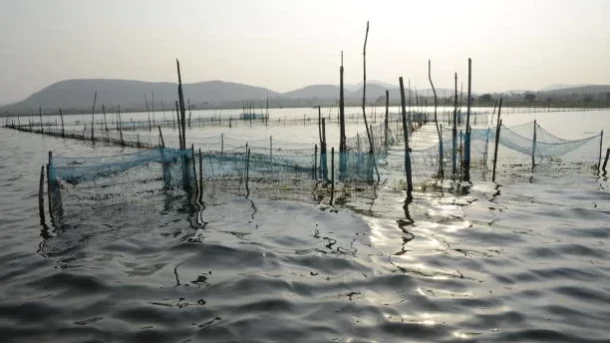
The “Blue Revolution” or “Pradhan Mantri Matsya Sampada Yojana” (PMMSY) is one government effort that concentrates on the growth of fisheries and aquaculture in India. The Ministry of Fisheries, Animal Husbandry, and Dairy, Government of India, has launched a flagship program called The Blue Revolution with the goals of boosting fish production, raising the income of fishermen, and encouraging sustainable aquaculture methods.

The PMMSY’s or the Blue Revolution’s main goals are:

Development of Sustainable Aquaculture: The program seeks to advance both freshwater and marine aquaculture methods that are sustainable. In order to boost fish production and productivity, it emphasizes the development and modernization of aquaculture infrastructure, the use of cutting-edge technologies, and the introduction of best management practices.

Modernization of Fisheries Infrastructure: The Blue Revolution places a strong emphasis on modernizing and enhancing fisheries infrastructure, which includes fishing harbors, landing areas, fish markets, fish processing plants, cold storage facilities, and ice plants. To decrease post-harvest losses and raise the quality of fish products, it attempts to improve post-harvest facilities, storage capabilities, and processing capabilities.

Fish Seed Production and Hatcheries: The program encourages the development and improvement of facilities for producing fish seeds, as well as hatcheries and nurseries. To assure the supply of high-quality seeds for fish farming activities, it promotes the development and distribution of high-quality fish seeds, including genetically enhanced strains.

The Blue Revolution places a strong emphasis on conservation and management strategies for fisheries in order to guarantee the long-term viability of these resources. Initiatives for fisheries research are supported.

Which government program provides financial assistance for the establishment of seed processing units?

seed processing

The “National Horticulture Mission” (NHM) is one government initiative that offers financial support for the creation of seed processing facilities in India. The Ministry of Agriculture and Farmers Welfare, Government of India, implements the National Horticulture Mission, commonly known as the “Integrated Horticulture Development Programme,” which is a centrally supported program.

The following elements are often covered by the financial support offered for the creation of seed processing units:

Infrastructure Development: NHM aids in the establishment and growth of seeds processing facilities. This involves offering financial support for the installation of machinery, tools, storage spaces, and other essential infrastructure elements for the processing of seeds.

The plan places a strong emphasis on capacity building and training programs for staff members and operators of seed processing units. To ensure the adoption of best practices and quality control measures, it offers training on seeds processing methods, quality standards, post-harvest management, seed testing, and certification.

Quality Control and Certification: NHM encourages the adoption of procedures for seed certification and quality control. It supports programs relating to maintaining seed quality, genetic purity, and seed health standards as well as seed testing labs, seed certification organizations, and allied organizations.

Market Linkages and Value Chains: The program supports the growth of seed-related market linkages and value chains. To improve market access and encourage the selling of high-quality seeds, it focuses on establishing connections between seed processing facilities and seed buyers, distributors, and seed businesses.

What is the purpose of the Agricultural Marketing Infrastructure (AMI) scheme?

Agricultural Marketing Infrastructure

Initiatives to improve the infrastructure for agricultural marketing typically have the following goals and purposes:

The development of physical market infrastructure, such as wholesale markets, mandis, market yards, cold storage facilities, warehouses, packaging facilities, and transportation infrastructure, is the goal of these projects. The objective is to offer farmers quality market facilities that fulfill standards, lessen post-harvest losses, and promote effective trade.

Market Information Systems: Building and bolstering market information systems is a focus of initiatives related to agricultural marketing infrastructure. To give farmers access to current market information, pricing trends, and demand-supply dynamics, this includes the creation of market intelligence networks, price reporting systems, digital platforms, and information dissemination techniques.

Market Linkages and Value Chains: The efforts seek to build value chains for agricultural products as well as market linkages. To increase market access and guarantee fair prices for farmers, this entails connecting farmers with wholesale marketplaces, retail chains, food processors, exporters, and other market participants. Initiatives to promote product diversity, value addition, and market-driven farming methods are also included.

Agricultural marketing infrastructure initiatives frequently place a strong emphasis on promoting quality standards and certification programs for agricultural products. This guarantees that farmers may access premium markets and that their products meet the necessary quality criteria and food safety regulations. In order to guarantee adherence to quality standards, it entails offering training, assistance, and certification procedures.