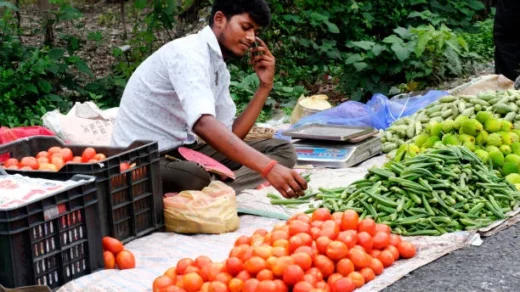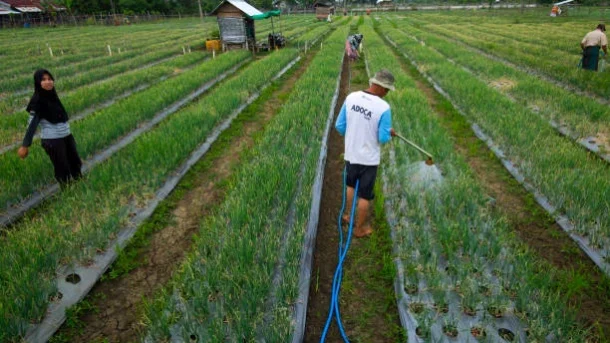
Crop Diversification: By cultivating a range of crops with various levels of climatic adaptation, farmers are diversifying their crop portfolios. This strategy lessens the danger brought on by climatic variation and extreme weather occurrences. Farmers can increase their ability to adapt to changing climatic conditions and diversify their sources of revenue by growing a variety of crops.
Crop types that are particularly bred or chosen for their resistance to climatic stressors including drought, heat, floods, and pests are becoming more and more popular among farmers. Extreme temperature tolerance, better water use efficiency, disease resistance, and early maturity are just a few of the characteristics these types possess. Farmers can lessen the detrimental effects of climate change on food production by selecting crop types that are climate-resilient.
Conservation Agriculture: Techniques for conservation agriculture are becoming more and more popular, including no-till or reduced tillage, crop residue management, and cover crops. The resilience of farming systems to climate change is increased by these techniques, which help to improve soil health, water retention, and carbon sequestration. Additionally, conservation agriculture improves nutrient cycling, prevents soil erosion, and preserves moisture.