Water Scarcity: Managing water use in agriculture is difficult due to water scarcity, which is caused by variables including population growth, climate change, and competition for water supplies. Particularly in arid and semi-arid areas, a lack of water can reduce agricultural productivity and increase farmers’ susceptibility.
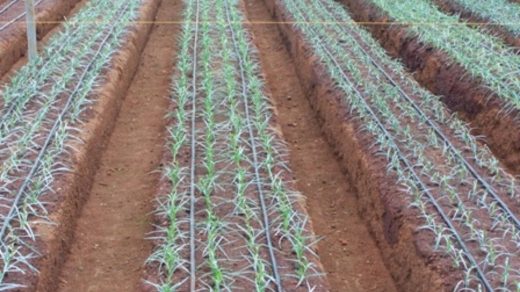
Efficiency of Irrigation: Irrigation is a key component of many agricultural systems, and poor irrigation techniques can waste water and make it less available for other uses. Low irrigation efficiency and potential water scarcity are caused by subpar irrigation methods, old infrastructure, and inefficient water management.
Water Pollution: The runoff of fertilizers, pesticides, and animal waste into water bodies is one way that agricultural activities can contribute to water pollution. The quality of the water, aquatic ecosystems, and human health may all be negatively impacted by this.
Impacts of climate change include increased frequency of extreme weather events, altered hydrological cycles, and uncertainty and variability in rainfall patterns. These adjustments present difficulties for agricultural water management, necessitating adaptation tactics like better water storage, effective irrigation methods, and water saving practices.