Controlled environment agriculture (CEA) effectively manages inputs like water, energy, nutrients, and space to maximize resource usage. Here is how CEA systems optimize resource:
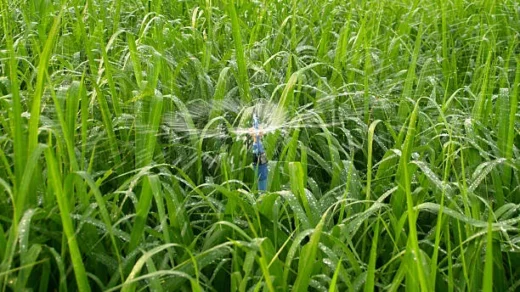
Efficiency in terms of water use: Compared to conventional agriculture, CEA systems use less water. Water is reused within the system through technologies like hydroponics and recirculating irrigation systems, lowering overall demand. Recirculating nutrient-rich water reduces surplus discharge. Furthermore, CEA permits precision irrigation management, providing water to the root zone directly, avoiding evaporation, and eliminating water waste.
Energy effectiveness: CEA systems put an emphasis on energy-efficient procedures to lower energy usage. It is usual to utilize LED lighting because it uses the least amount of energy while yet giving the right kind of light spectrum for plant growth. In order to maximize energy efficiency, climate control systems use insulation.
Management of nutrients: CEA systems, particularly hydroponic and aquaponic ones, maximize nutrient uptake by giving plants precisely the right amounts of nutrients. Plants are able to efficiently absorb the necessary nutrients thanks to the careful formulation of nutrient solutions and their delivery to the roots. This targeted distribution reduces nutrient loss and leaching, improves nutrient uptake, and has a smaller negative impact on the environment.
Space usage: CEA systems maximize space utilization, especially in cities or other places where there is a shortage of available land. High plant densities are possible with vertical farming, which grows plants in stacked layers or shelves to make efficient use of vertical space. By removing the need for soil and allowing plants to grow in a smaller area, hydroponic and aeroponic systems maximize available space. Increased space efficiency allows CEA systems to produce more food in a less amount of space.