Plant diseases

What is the Soft rot or fruit rot in jackfruit?

jackfruit

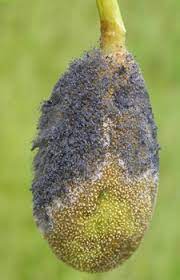
Soft rot, also known as fruit rot, is a common problem that affects jackfruit trees. It is caused by various types of bacteria and fungi, including Erwinia carotovora, which thrive in warm and moist environments. Some of the common symptoms of soft rot in jackfruit include:

  • Decay of the fruit: The fruit begins to soften and develop a watery texture, with a foul odor.
  • Discoloration: The affected area of the fruit turns brown or black, and the surrounding skin becomes sunken and wrinkled.
  • Spread: The decay can spread quickly to other parts of the fruit and even to other fruits on the same tree.

To prevent soft rot in jackfruit, it is important to practice good agricultural practices, such as proper spacing of trees, proper pruning, and maintaining good soil drainage. Harvesting fruits when they are mature but still firm, and avoiding injury to the fruits during harvesting can also help prevent soft rot.

Infected fruits should be removed and disposed of promptly to prevent the spread of the disease. Proper sanitation, including cleaning and disinfecting tools and equipment, can also help to prevent the spread of bacteria and fungi.

If the problem is severe, chemical control with fungicides may be necessary. However, it is important to follow the label instructions carefully to ensure effective control and minimize potential harm to the environment and human health.
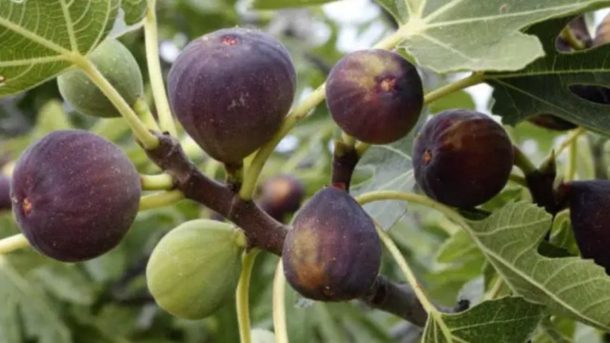
Why are fig fruit drops?

fig fruit

Overripens, lack of pollination, high humidity, disease, stress, or nutritional deficiencies can all cause fig fruit to fall from the tree. When the fruit becomes overripe, it may fall off prematurely. The fig may drop if it was not properly pollinated. 

Due to fungal infections, high humidity can cause fruit to drop. If the tree is infected with a disease (such as fig rust, Botrytis, or powdery mildew), it may drop its fruit. 

Finally, a lack of nutrients in the soil, particularly calcium and magnesium, can cause the tree to drop its fruit. Pruning mistakes also contributed to fig drop.

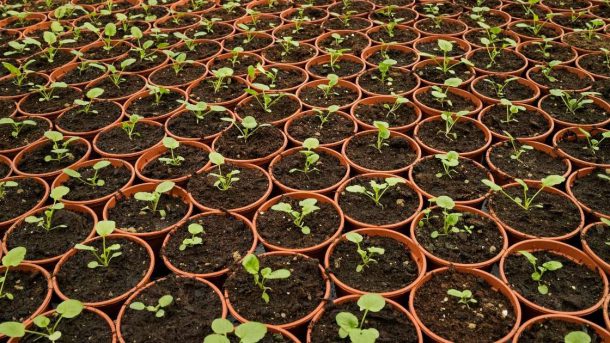
How cinnamon used for damping off disease?

nursery

Cinnamon is used as a fungicide to treat damping off disease in plants by inhibiting the growth of fungi responsible for the disease. The antimicrobial properties of cinnamon are due to its essential oil, which contains compounds such as cinnamaldehyde and eugenol

When cinnamon is applied to soil, it creates a protective barrier around the roots of the plant, preventing the fungi from infecting the seedlings. Additionally, cinnamon can also boost the plant’s own defense mechanisms, making it more resistant to disease. 

To use cinnamon for damping off disease, simply sprinkle cinnamon powder on the soil surface around the seedlings or mix cinnamon into the soil before planting.

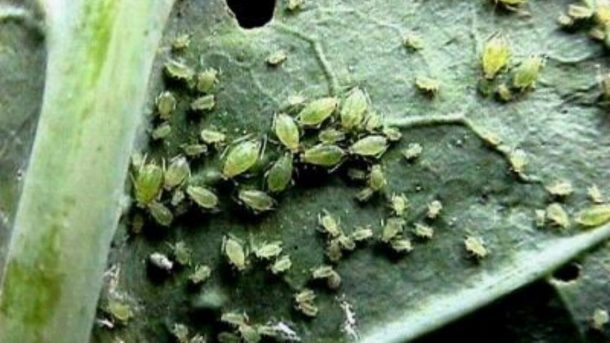
How aphids damage fennel farming?

aphids

Aphids can damage fennel farming by feeding on the sap of fennel plants, causing stunted growth and wilting. They also secrete a sticky substance known as honeydew, which can promote the growth of sooty mold and attract other pests. 

In severe infestations, aphids can weaken the plants and reduce crop yields. To prevent aphid damage in fennel farming, spray dimethoate 30 EC @ 10 ml per 10 lit of water on 50 percent plants having flowering.The higher activity of honeybees is observed during 12 noon to up to 4.00 evening and hence avoid the spraying during this period.

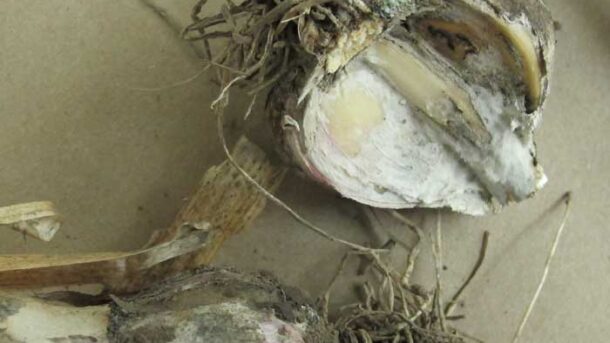
Causes and treatment for Clove rot in garlic.

Clove rot

Clove rot is a fungal disease that affects garlic bulbs and can cause significant yield losses. The disease is caused by the fungus Fusarium oxysporum and is most commonly found in warm and humid growing conditions.

The following are some of the causes of clove rot in garlic:

  • Overwatering: Excessive moisture in the soil can lead to the development of clove rot.
  • Poor air circulation: Stagnant air can increase the humidity around the garlic bulbs and create an environment favorable for fungal growth.
  • Damaged cloves: Cloves that are damaged during harvesting or storage are more susceptible to clove rots.

To prevent and treat clove rot in garlic, it is important to follow these steps:

  • Proper storage: Store garlic bulbs in a cool, dry place to prevent the growth of fungi.
  • Good sanitation: Clean up any plant debris in and around the garlic beds to reduce the risk of disease.
  • Crop rotation: Planting garlic in the same area year after year can lead to the buildup of fungal pathogens in the soil.
  • Fungicide application: detected, fungicides such as captan or mancozeb can be used to control the spread of the disease.

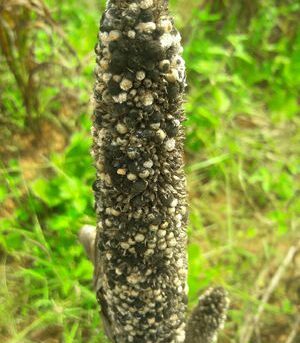
How does Ergot disease cause damage in Pearl Millet ?

Ergot disease

Ergot disease in Pearl Millet is caused by the fungus Claviceps fusiformis, which infects the ovaries of the plant and replaces the seed with fungal structures called sclerotia. The sclerotia contain toxic alkaloids that can cause harm to both humans and animals when consumed.

The first  symptom of the disease  is exudation of  pinkish or light  honey-coloured small mucilaginous droplets of sticky fluid  called  ‘honeydew’ oozing out from infected  spikelets. 

The disease reduces seed germination and yields, leading to decreased crop productivity. In addition to these direct effects, Ergot disease can also weaken the plant and make it more susceptible to other diseases and pests, further reducing crop health and yield.

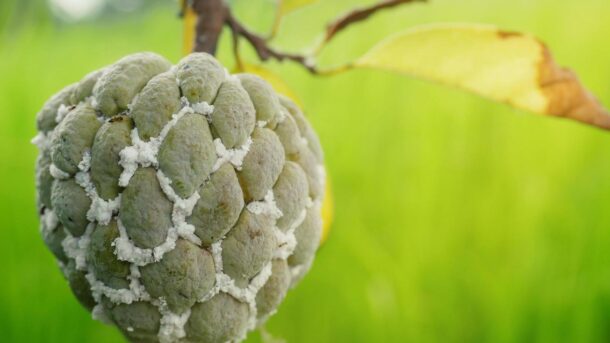
The infestation of Mealybugs in Custard Apple and treatment

Mealybugs

Mealybugs are a type of pest that can infest custard apples and other plants. They feed on the sap of the plant, causing damage to the foliage and fruit, and can also excrete a sticky substance called honeydew which can encourage the growth of sooty mold. 

To control mealybugs, you can try physically removing them by wiping them off with a cloth, or using insecticidal soap or neem oil. Spray BUPROFEZIN 25% SC @ 12 ml/15 lts of water along with a good quality sticker. 

It’s important to keep the plant free of dead leaves and debris, which can harbor the pests, and to monitor the plant regularly for signs of infestation.

Club root disease of Mustard crop

Club root

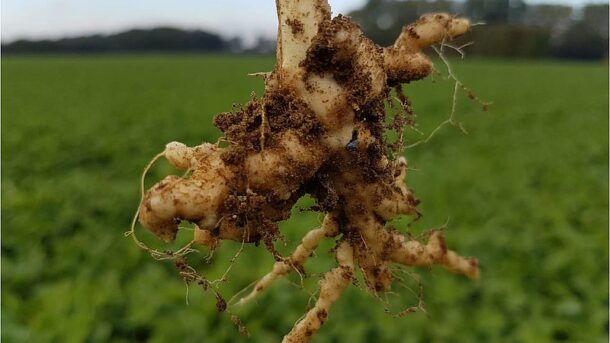
Club root is a soil-borne fungal disease that affects mustard and other brassica crops. The disease is caused by the fungus Plasmodiophora brassicae, which invades the roots of the plant and causes the roots to become swollen and distorted, leading to a condition known as “clubbing.”

Symptoms of club root in mustard crops include stunted growth, wilting, yellowing of the leaves, and a reduction in yields. In severe cases, the roots of the plant can become so distorted that the plant is unable to absorb water and nutrients from the soil, leading to plant death.

To control club root in mustard crops in a suspect or infected field, incorporating hydrated lime (1,500 lb/A) at least 6 weeks before planting, whether pH is neutral or alkaline, gives additional disease control. Chemical controls, such as the use of fungicides, can also be used to control club roots.

It is also important to maintain soil pH levels between 6.0 and 7.0, as club root is more severe in acidic soils. Additionally, avoiding overwatering and improving soil drainage can help reduce the risk of club roots infection.

What is Tobacco mosaic disease ?

Tobacco mosaic disease

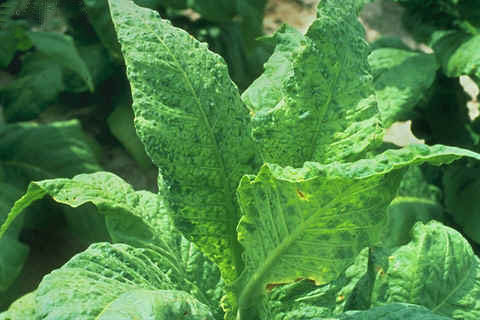
An infection caused by a virus called tobacco mosaic disease that affects not just tobacco plants but also tomato and pepper plants and other Solanaceae family members. The Tobacco Mosaic Virus (TMV), which is easily spread from plant to plant through contact with contaminated tools, hands, or plant components, is what causes the illness.

Yellow-green streaks and mottling on the leaves, stunted growth, and lower yields are signs of this disease. Infection on young plants results in stunted growth, malformation, distortion and puckering of leaves. Darkgreen blisters and sometime enations (leafy growth) appear on the dorsal side of the leaf.

Since there is no treatment for tobacco mosaic disease, maintaining excellent hygiene and taking precautions to prevent infection are the best ways to manage the disease.Old stems and leaf trash of affected plants buried in the soil are the other sources of infection and spread. Additionally, planting disease-resistant varieties and removing infected plants from the garden can help reduce the spread of the virus.

Do you know how pod bugs damage red gram (Tur dal)?

damage

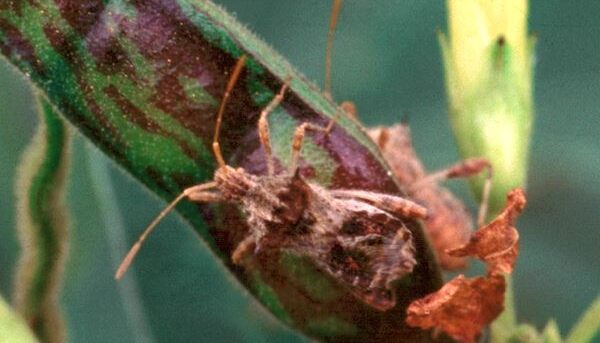
Pod borer insects can cause damage to red gram crops. These pests lay their eggs in the pods of the plant and when the larvae hatch, they feed on the seeds, reducing both the yield and quality of the harvest.To control these pests, farmers can use a combination of cultural, biological, and chemical methods, such as crop rotation, using resistant varieties, and applying insecticides

Application of Spinosad or imidacloprid gives control upon pod bug damage. Spraying of quinalphos 25% EC @ is effective against pod fly and pod borer. Spraying of effective molecule like Indoxacarb 14.5 SC % @ 300 ml/ha or Emamectin benzoate 5% SG @ 11 a.i gm/ha or Spinosad 45 SC @ 56-73 a.i gm/ha is effective against Pod borer complex. 

However, it’s important to implement integrated pest management practices to minimize the negative impact on the environment and human health.