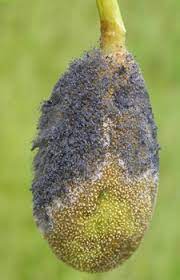
Soft rot, also known as fruit rot, is a common problem that affects jackfruit trees. It is caused by various types of bacteria and fungi, including Erwinia carotovora, which thrive in warm and moist environments. Some of the common symptoms of soft rot in jackfruit include:
- Decay of the fruit: The fruit begins to soften and develop a watery texture, with a foul odor.
- Discoloration: The affected area of the fruit turns brown or black, and the surrounding skin becomes sunken and wrinkled.
- Spread: The decay can spread quickly to other parts of the fruit and even to other fruits on the same tree.
To prevent soft rot in jackfruit, it is important to practice good agricultural practices, such as proper spacing of trees, proper pruning, and maintaining good soil drainage. Harvesting fruits when they are mature but still firm, and avoiding injury to the fruits during harvesting can also help prevent soft rot.
Infected fruits should be removed and disposed of promptly to prevent the spread of the disease. Proper sanitation, including cleaning and disinfecting tools and equipment, can also help to prevent the spread of bacteria and fungi.
If the problem is severe, chemical control with fungicides may be necessary. However, it is important to follow the label instructions carefully to ensure effective control and minimize potential harm to the environment and human health.