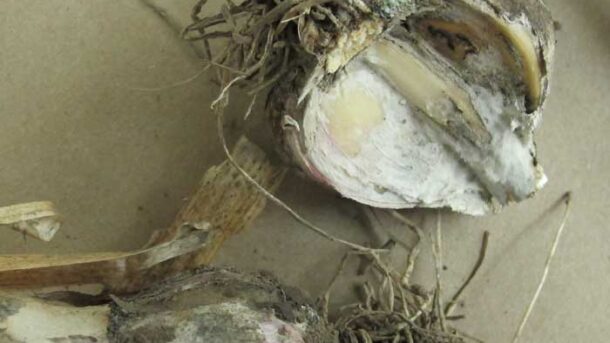
Clove rot is a fungal disease that affects garlic bulbs and can cause significant yield losses. The disease is caused by the fungus Fusarium oxysporum and is most commonly found in warm and humid growing conditions.
The following are some of the causes of clove rot in garlic:
- Overwatering: Excessive moisture in the soil can lead to the development of clove rot.
- Poor air circulation: Stagnant air can increase the humidity around the garlic bulbs and create an environment favorable for fungal growth.
- Damaged cloves: Cloves that are damaged during harvesting or storage are more susceptible to clove rots.
To prevent and treat clove rot in garlic, it is important to follow these steps:
- Proper storage: Store garlic bulbs in a cool, dry place to prevent the growth of fungi.
- Good sanitation: Clean up any plant debris in and around the garlic beds to reduce the risk of disease.
- Crop rotation: Planting garlic in the same area year after year can lead to the buildup of fungal pathogens in the soil.
- Fungicide application: detected, fungicides such as captan or mancozeb can be used to control the spread of the disease.