farming practices

How can I improve the efficiency and sustainability of my farming operations?

operations

Farming operations refer to the various activities involved in the cultivation and management of crops and livestock for the purpose of producing food, fiber, or other agricultural products. These operations can vary greatly depending on factors such as the type of farming, the scale of operation, and the geographical location. Here are some common aspects of farming operations:

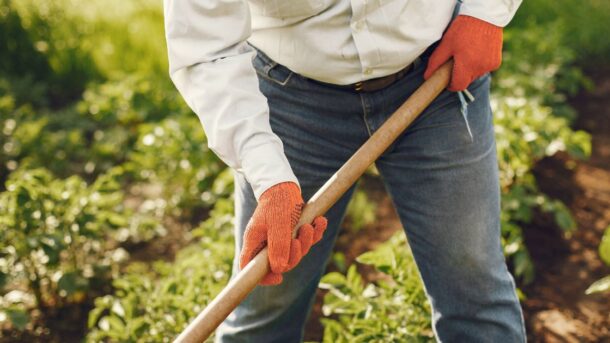
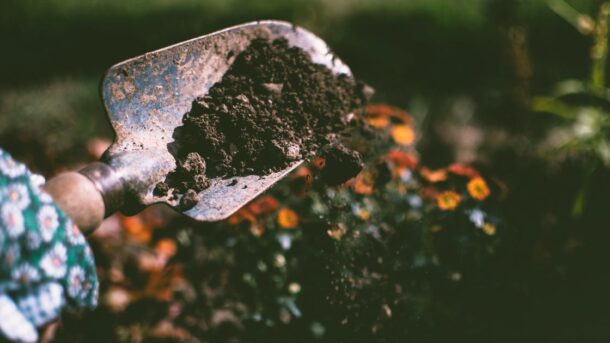
Land Preparation: This involves clearing the land, removing any debris or vegetation, and preparing the soil for planting. It may include activities such as plowing, tilling, or leveling the land.

Crop Selection and Planting: Farmers choose the crops they want to grow based on factors such as market demand, soil suitability, and climate conditions. They prepare the seeds or seedlings and plant them in the prepared soil, ensuring proper spacing and planting depth.

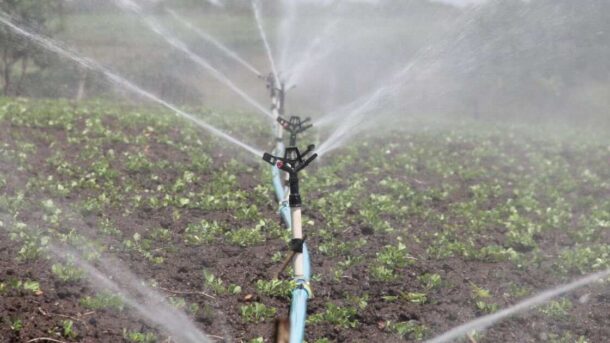
Irrigation: Providing water to crops is essential for their growth and development. Farmers use various irrigation methods such as sprinklers, drip irrigation, or flood irrigation to ensure that the plants receive adequate moisture.

Pest and Weed Control: Farmers employ various strategies to protect their crops from pests, diseases, and weeds. This may involve the use of pesticides, herbicides, biological control methods, or integrated pest management techniques.

Fertilization: Crops require essential nutrients for healthy growth. Farmers apply fertilizers to provide these nutrients to the soil, either in organic or synthetic form. They may also use soil testing to determine the specific nutrient requirements of their crops.

Harvesting: Once the crops reach maturity, they are ready for harvest. The timing and method of harvesting depend on the crop type. Some crops are harvested by hand, while others require specialized machinery such as combines for efficient harvesting.
 What are the best practices for soil conservation and erosion control?

soil conservation

Soil conservation is the prevention of loss of the topmost layer of the soil from erosion or prevention of reduced fertility caused by over usage, acidification, salinization or other chemical soil contamination.

The use of pesticides can threaten soil conservation by contaminating the soil and nearby water sources. They affect soil structure and (biotic and abiotic) composition. Differentiated taxation schemes are among the options investigated in the academic literature to reducing their use.

Erosion control practice involves the placement of plastic covers, geotextiles, erosion control blankets, and mats to keep soil from erosion by water or wind. They primarily help newly planted crops to take root in slopes with flowing water.

However, plastic sheeting can only be effective in small erodible areas. Applying it in large areas can cause damage when the water runs off the cover.
that allows the water to flow through it to prevent the spread of water all over the land.

All structures should have pipes or gutters that can effectively drain water out of your yard into a water collection system. Places with heavy water runoff may need an installation of underground perforated drainage pipes.

What are the best irrigation methods for my specific crop and growing conditions?

irrigation methods

Irrigation is when people add water to plants, to help them grow when there is not enough rain. Irrigation water can be pumped from rivers, natural lakes or lakes created by dams, from wells or allowed to flow to the fields by or open canals.

There are many different types of irrigation methods. The most common ones are:

  1. Sprinkler Irrigation
  2. Drip irrigation
  3. Surface irrigation
  4. Sub surface irrigation
  5. Manual irrigation

Sprinkler irrigation mimics natural rainfall where water falls on the plants. In sprinkler irrigation, water is moved through pipes to sprinklers scattered around and within the field. 

In drip irrigation, water drips directly to the roots of plants from pipes which have small holes or special emitters spaced along the pipe.

In Surface irrigation, water from a source such as rivers, pipes, dams, canals e.t.c. floods the soil surface. Surface irrigation uses a lot of water compared to other irrigation methods.

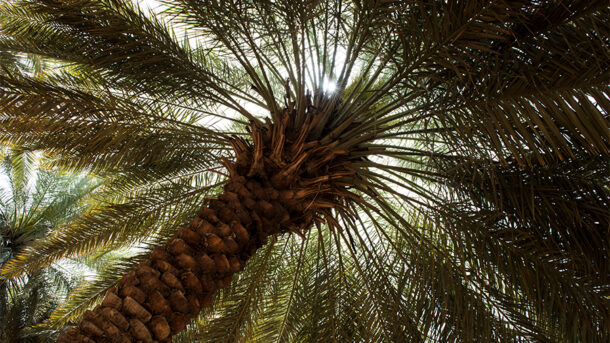
Do you know, date palm used as host plant for sandalwood.

host

Date palm (Phoenix dactylifera) can be used as a host plant for sandalwood (Santalum album). Sandalwood is a slow-growing tree species that is prized for its fragrant heartwood, which is used in a variety of products such as perfumes, incense, and traditional medicines. 

Sandalwood requires a host tree species for support and protection, and date palm can provide these conditions. When sandalwood is grown as an understory crop in a date palm plantation, the date palm provides shade and protection, allowing the sandalwood to grow in a more favorable environment

Additionally, the date palm can also provide a source of food and habitat for beneficial insects and other animals, which can help support the health and growth of the sandalwood trees.

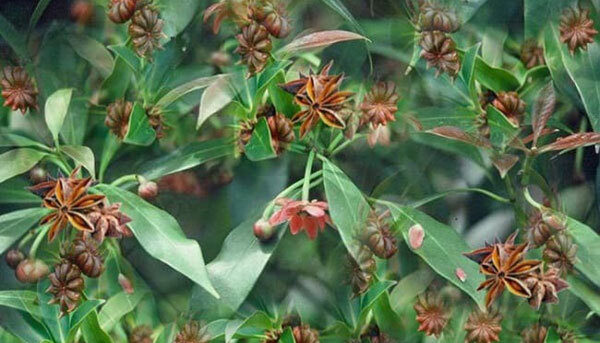
Requirement for growing star anise

growing star anise

Growing star anise is a tree that grows best in tropical and subtropical regions with high humidity, warm temperatures, and well-drained soil. The following requirements are essential for growing star anise:

  • Climate: Star anise requires a warm and humid climate, with temperatures between 20-30°C and high humidity.
  • Soil: It prefers well-drained, fertile soil with a pH range of 6.0-7.0.
  • Water: Star anise requires regular watering, especially during dry seasons. However, it is important to avoid water logging as this can lead to root rot.
  • Light: Star anise requires full sunlight to grow properly.
  • Fertilizer: Regular application of compost or well-rotted manure can provide the necessary nutrients for the plant’s growth.Use a balanced liquid fertilizer, diluted to 1/4 of its strength, once in 4-6 weeks.
  • Pruning: Regular pruning is necessary to control the size of the plant and to maintain its shape.

By providing these requirements, star anise can grow well and produce the fragrant, star-shaped fruits used in cooking and herbal remedies.

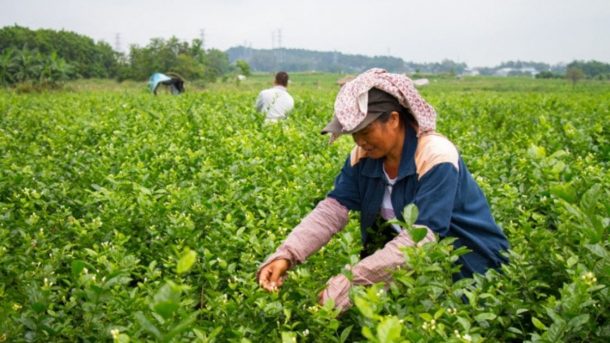
How to plucking and harvesting of tea leaves?

Jasmine

Plucking consists of harvesting 2 to 3 leaves and a bud. It is the most labour intensive operation in a tea industry and also decides the yield and quality of made tea. Normally, a pluckable shoot takes 60 to 90 days for harvesting since its sprouting from the axillary buds.

When the shoot is plucked upto mother leaf, it is known as light removing and if it is plucked below mother leaf, it is called hard removing. It is essential to add one tier of active maintenance foliage to the bush every year. This is done by mother leaf plucking during January to March.

During the rest of the period level plucking can be carried out.Consequent to plucking, bush height increases every year in the order of 10cm over tipping height in the first year, 7.5cm, 7.5cm, 5cm and 5cm over the previous year height in the second, third, fourth and fifth year respectively.

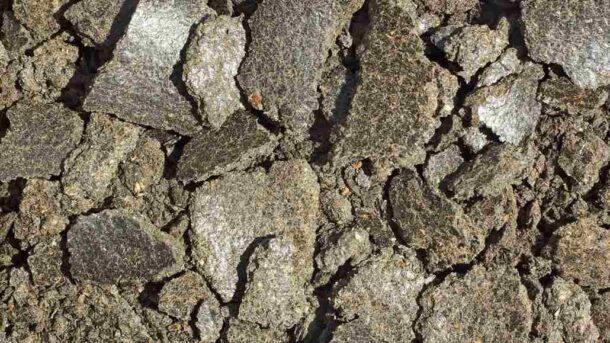
What are oilcakes?

oilcakes

Oilcakes are a byproduct of oil extraction, which is the extraction of oil from seeds or nuts. The remaining solid matter is referred to as oilcake or meal. It is a high-protein source that is used as animal feed or as a fertilizer. Oilcakes, which are both edible and non-edible, are used as manure.

Mustard cakes, Neem Cakes, and Groundnut Cakes are excellent examples of oil cakes. Certain oil cakes made from poisonous seeds such as castor beans and tung nuts are used as fertilizers instead of animal feed.

Role of cow urine in Agriculture practice

Beejamrutha

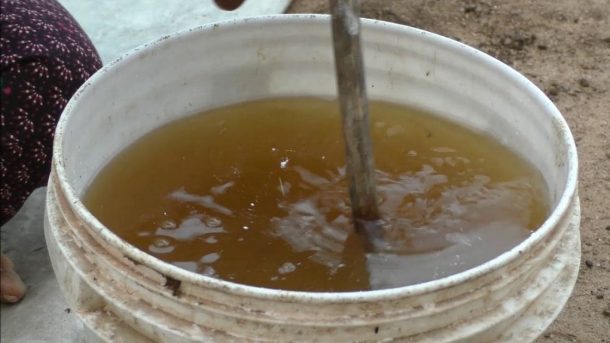
Cow urine is also used in agricultural practices as a natural fertilizer and pest repellent. It is believed to contain nutrients such as nitrogen, phosphorus, and potassium, as well as hormones and enzymes that can promote plant growth. In Ayurvedic medicine, cow urine is also used as a disinfectant and treatment for various ailments.

It is used as a natural pesticide by mixing it with neem oil and other botanical extracts, this mixture is called ‘Panchagavya’ and is used for spray on crops to protect them from insects and pests.

Additionally, cow urine can be used as a soil conditioner, as it can help to improve the pH balance of the soil and increase the availability of nutrients for plants. It is also used as a growth promoter and to increase the yield of the crops.

Overall, cow’s urine is a valuable resource in agriculture and can provide a number of benefits when used as a fertilizer, pest repellent, and soil conditioner. However, it is important to note that more research is needed to fully understand the effects of cow urine on crop growth and yields.

Cowdung mannure is revolutionary for the farming practice

parthenium

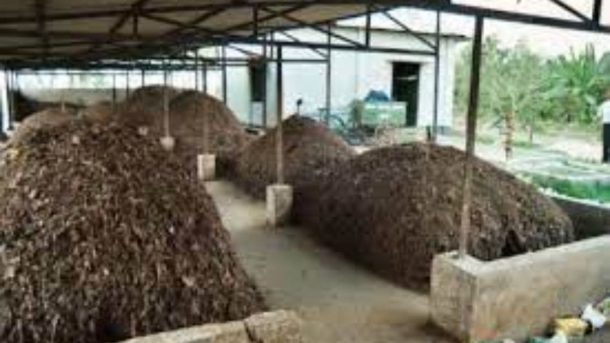
Cowdung manure is a valuable resource for farmers as it is a natural fertilizer that improves soil fertility and plant growth. It is rich in nutrients, including nitrogen, phosphorus, and potassium, and can be used as a substitute for chemical fertilizers. Additionally, cow dung manure can also be used as a source of fuel and can be converted into biogas. Overall, cow dung manure is a sustainable and cost-effective solution for improving crop yields and reducing the use of chemical fertilizers.

Organic banana cultivation schedule

Vayal vazhai

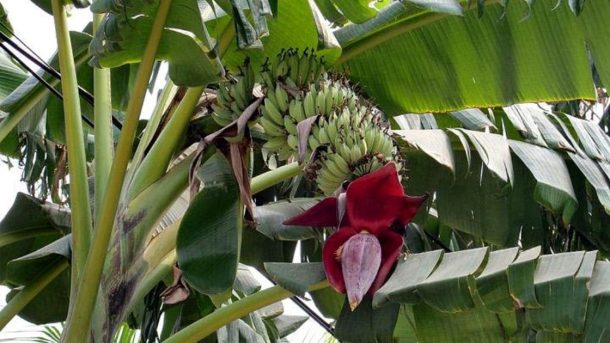
Organic banana cultivation typically follows a similar schedule to conventional banana cultivation, but with the use of organic methods for fertilization, pest control, and weed management.

  1. Preparing the land: The land is cleared, leveled, and prepared for planting. Organic matter such as compost is added to the soil to improve fertility.
  2. Planting: Banana plants are planted in the prepared soil, typically at a spacing of 6-8 feet between plants.
  3. Fertilization: Organic fertilizers, such as compost and organic matter, are used to provide the necessary nutrients for plants to grow.
  4. Pest control: Organic methods, such as the use of beneficial insects, traps, and natural predators, are used to control pests.
  5. Weed management: Organic methods, such as hand weeding and mulching, are used to control weeds.
  6. Harvesting: Organic bananas are harvested when they reach maturity, which can take anywhere from 9 to 12 months.
  7. post-harvest: Organic bananas are packed and shipped to market.

It is important to note that organic banana cultivation is more labor-intensive and requires more time, effort and knowledge than conventional banana cultivation.