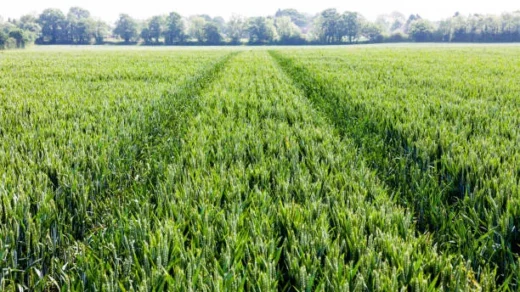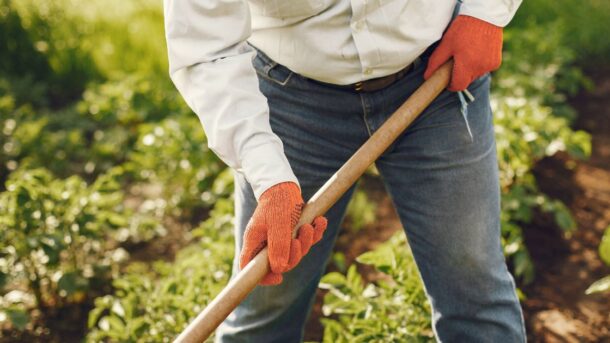
Farming operations refer to the various activities involved in the cultivation and management of crops and livestock for the purpose of producing food, fiber, or other agricultural products. These operations can vary greatly depending on factors such as the type of farming, the scale of operation, and the geographical location. Here are some common aspects of farming operations:
Land Preparation: This involves clearing the land, removing any debris or vegetation, and preparing the soil for planting. It may include activities such as plowing, tilling, or leveling the land.
Crop Selection and Planting: Farmers choose the crops they want to grow based on factors such as market demand, soil suitability, and climate conditions. They prepare the seeds or seedlings and plant them in the prepared soil, ensuring proper spacing and planting depth.
Irrigation: Providing water to crops is essential for their growth and development. Farmers use various irrigation methods such as sprinklers, drip irrigation, or flood irrigation to ensure that the plants receive adequate moisture.
Pest and Weed Control: Farmers employ various strategies to protect their crops from pests, diseases, and weeds. This may involve the use of pesticides, herbicides, biological control methods, or integrated pest management techniques.
Fertilization: Crops require essential nutrients for healthy growth. Farmers apply fertilizers to provide these nutrients to the soil, either in organic or synthetic form. They may also use soil testing to determine the specific nutrient requirements of their crops.
Harvesting: Once the crops reach maturity, they are ready for harvest. The timing and method of harvesting depend on the crop type. Some crops are harvested by hand, while others require specialized machinery such as combines for efficient harvesting.