ScientificFarmingWeb

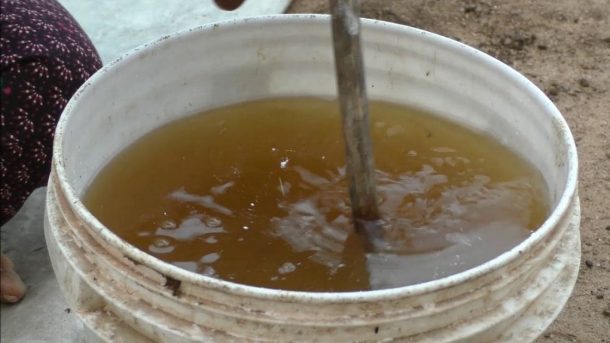
How to make ghana jivamrut?

prepare

To make Ghana Jivamrut, you will need the following ingredients:

  • 1 cup fresh coriander leaves (cilantro)
  • 1/2 cup fresh mint leaves
  • 3 green chilies
  • 2 inches of fresh ginger
  • 3 cloves of garlic
  • 1 lime, juiced
  • 1/2 teaspoon cumin seeds
  • 1/2 teaspoon salt
  • 1/4 teaspoon black pepper
  • 1/4 teaspoon sugar
  • 1/2 cup water

Instructions:

  1. Wash and chop the coriander and mint leaves.
  2. In a blender, combine the coriander, mint, green chilies, ginger, garlic, lime juice, cumin seeds, salt, pepper, sugar, and water.
  3. Blend everything until it forms a smooth paste.
  4. Serve the Jivamrut with roti, rice, or use it as a marinade or dipping sauce.

Enjoy your homemade Ghana Jivamrut!
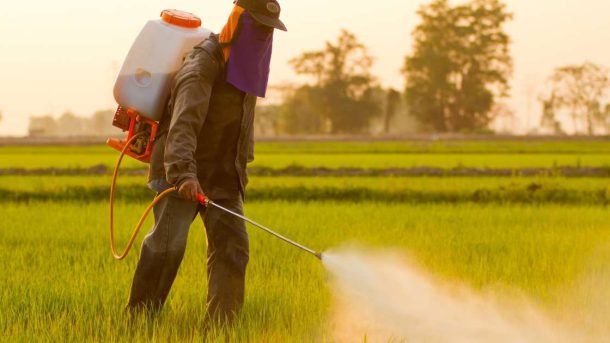
How chili spray work as a organic pesticide?

pesticides

Chili spray can be used as an organic pesticide because the capsaicin found in chili peppers is a natural insect repellent. Capsaicin is an irritant to many insects and animals, including aphids, spider mites, and whiteflies. When sprayed on plants, the capsaicin in the chili spray can repel or kill these pests, helping to protect the plants from damage.

To make a chili spray, chili peppers are crushed or blended and mixed with water, and sometimes a small amount of soap is added to help the mixture stick to the plant leaves. The mixture is then strained and poured into a spray bottle, and it can be used to treat plants that are infested with pests.

It’s works by directly impacting the nervous system of the insects, thus killing or repelling them. Additionally, it can also act as a fungicide, helping to prevent the spread of diseases such as powdery mildew.

It’s important to note that the effectiveness of chili spray can vary depending on the type of pepper used, the concentration of the spray, and the type of pest being targeted. It’s recommended to test the spray on a small area of the plant before applying it to the entire plant or field. Also, care should be taken while using chili spray as it can be harmful to beneficial insects and humans if ingested or inhaled in high concentrations.

Role of cow urine in Agriculture practice

Beejamrutha

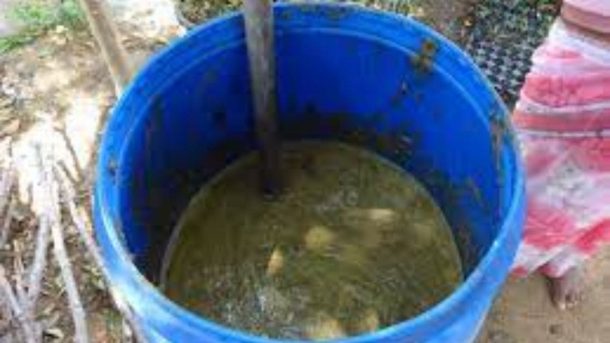
Cow urine is also used in agricultural practices as a natural fertilizer and pest repellent. It is believed to contain nutrients such as nitrogen, phosphorus, and potassium, as well as hormones and enzymes that can promote plant growth. In Ayurvedic medicine, cow urine is also used as a disinfectant and treatment for various ailments.

It is used as a natural pesticide by mixing it with neem oil and other botanical extracts, this mixture is called ‘Panchagavya’ and is used for spray on crops to protect them from insects and pests.

Additionally, cow urine can be used as a soil conditioner, as it can help to improve the pH balance of the soil and increase the availability of nutrients for plants. It is also used as a growth promoter and to increase the yield of the crops.

Overall, cow’s urine is a valuable resource in agriculture and can provide a number of benefits when used as a fertilizer, pest repellent, and soil conditioner. However, it is important to note that more research is needed to fully understand the effects of cow urine on crop growth and yields.

Cowdung mannure is revolutionary for the farming practice

parthenium

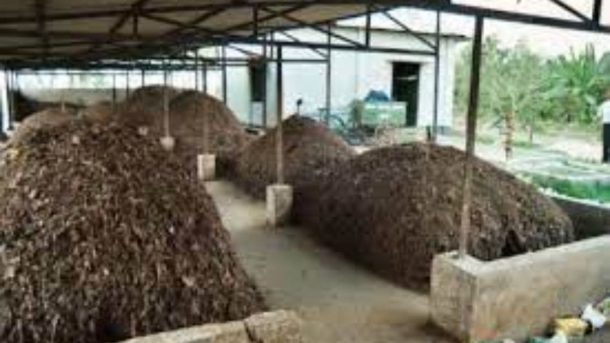
Cowdung manure is a valuable resource for farmers as it is a natural fertilizer that improves soil fertility and plant growth. It is rich in nutrients, including nitrogen, phosphorus, and potassium, and can be used as a substitute for chemical fertilizers. Additionally, cow dung manure can also be used as a source of fuel and can be converted into biogas. Overall, cow dung manure is a sustainable and cost-effective solution for improving crop yields and reducing the use of chemical fertilizers.

Organic weed management methods

land

Organic weed management methods are methods that use natural or non-toxic methods to control weeds, as opposed to synthetic herbicides. Some examples of organic weed management methods include:

  1. Mulching: Covering the soil with a layer of organic material, such as straw or wood chips, can help to prevent weeds from growing by blocking sunlight and reducing the amount of moisture in the soil.
  2. Hand weeding: Regularly removing weeds by hand can be an effective way to keep them under control, especially in small gardens or areas where the use of other methods is not practical.
  3. Crop rotation: Planting different crops in the same area on a rotating schedule can help to disrupt the life cycle of weeds, making it more difficult for them to establish themselves.
  4. Cover cropping: Planting a cover crop between the main crop can help to suppress weeds by competing for resources like water and nutrients.
  5. Organic herbicides: Some organic herbicides are available that use natural ingredients like vinegar, citric acid, or essential oils to control weeds.
  6. Biological control: Using beneficial insects, predators and pathogens to control weed populations.

It’s important to note that organic weed management methods often require more time, effort, and knowledge than conventional methods, and may not be as effective in controlling weeds. Combining different methods and adapting them to the specific needs of the farm and the weeds present it is important.

Organic banana cultivation schedule

Vayal vazhai

Organic banana cultivation typically follows a similar schedule to conventional banana cultivation, but with the use of organic methods for fertilization, pest control, and weed management.

  1. Preparing the land: The land is cleared, leveled, and prepared for planting. Organic matter such as compost is added to the soil to improve fertility.
  2. Planting: Banana plants are planted in the prepared soil, typically at a spacing of 6-8 feet between plants.
  3. Fertilization: Organic fertilizers, such as compost and organic matter, are used to provide the necessary nutrients for plants to grow.
  4. Pest control: Organic methods, such as the use of beneficial insects, traps, and natural predators, are used to control pests.
  5. Weed management: Organic methods, such as hand weeding and mulching, are used to control weeds.
  6. Harvesting: Organic bananas are harvested when they reach maturity, which can take anywhere from 9 to 12 months.
  7. post-harvest: Organic bananas are packed and shipped to market.

It is important to note that organic banana cultivation is more labor-intensive and requires more time, effort and knowledge than conventional banana cultivation.

Mechanism of Neem oil as a pesticide

prepare

Neem oil is a natural pesticide derived from the seeds of the neem tree (Azadirachta indica). It works by disrupting the hormone system of insects, making it difficult for them to grow and reproduce. Neem oil also has antifungal properties, which makes it effective against fungal pathogens.

The active ingredient in this oil, azadirachtin, acts as an insect growth regulator, disrupting the molting process of insects and preventing them from reaching maturity. It also acts as a repellent, deterring insects from feeding on treated plants.

In addition to azadirachtin, neem oil also contains other compounds that have pesticidal properties, such as salannin and nimbin. These compounds have insecticidal and fungicidal properties and can be toxic to certain insects and pathogens.

It is important to note that oil is generally considered safe for use around humans and animals, and is biodegradable. However, it can cause skin irritation in some individuals and should be handled with care.

What is an aeroponics farming system?

aeroponics

Aeroponics is a type of hydroponic farming system that involves growing plants in an air or mist environment without the use of soil. The roots of the plants are suspended in the air, and they are misted with a nutrient-rich solution at regular intervals. The misting provides the roots with the water and nutrients they need to grow, while the roots themselves are exposed to a high level of oxygen.

An aeroponic system typically consists of a growing chamber where the plants are suspended, a system for misting the roots, a water and nutrient delivery system, and a lighting system for photosynthesis. Aeroponic systems are known for their high efficiency and high yields, as well as for their ability to grow plants in a variety of environments.

The main advantages of aeroponics include:

  • High water efficiency: Aeroponic systems use less water than traditional soil-based farming systems.
  • High oxygen levels: The roots are exposed to a high level of oxygen, which can lead to faster growth and higher yields.
  • Space-saving: Aeroponic systems can be used to grow plants in a vertical orientation, which saves space.
  • Pest and disease resistance: Because plants are grown in a controlled environment, they are less susceptible to pests and diseases.
  • Flexibility: Aeroponics can be used to grow a wide variety of plants, including vegetables, herbs, fruits, and flowers.

Aeroponic systems are used to grow a variety of plants including vegetables, herbs, fruits, and flowers, and are also used in research, and space farming. They are more complex and require more technical knowledge than other hydroponic systems.

How hydroponic system works?

hydroponic system

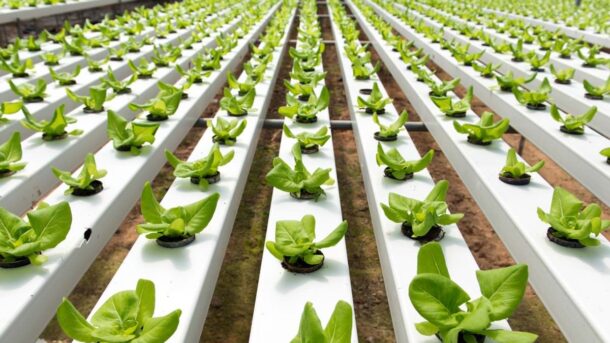
A hydroponic system is a method of growing plants without the use of soil. Instead, plants are grown in a nutrient-rich solution, typically water, which is delivered directly to the roots. There are several different types of hydroponic system, but they all share the basic principle of providing plants with the nutrients they need to grow without the use of soil.

The most common types of hydroponic systems include:

  • Deep water culture: In this system, plants are grown in a container of nutrient-rich water, and their roots are suspended directly in the water. An air pump is used to provide oxygen to the roots.
  • Flood and drain: Also known as ebb and flow, this system uses a container of nutrient solution that is periodically flooded and drained. The plants are grown in a growing medium, such as clay pellets or rockwool, which is used to support the roots.
  • Drip irrigation: This system uses a network of tubing and emitters to deliver nutrient solution to the plants. The solution is dripped directly onto the roots, and any excess is collected and recirculated.
  • Aeroponic: This system uses a mist of nutrient solution to deliver nutrients to the roots. The plants are grown in a growing medium, such as clay pellets or rockwool, and their roots are suspended in the air.

All hydroponic systems require a specific combination of light, temperature, humidity, and nutrients to be successful. They are used to grow a variety of plants including vegetables, herbs, fruits, and flowers. The main advantage of hydroponics is the ability to control the growing environment, which leads to higher yields and faster growth than traditional soil-based gardening.

What is collective farm?

A collective farm is a type of agricultural production in which a group of farmers work together to collectively manage and operate a farm. The farm is usually owned and controlled by the state or a cooperative, and the farmers work together to plant, cultivate and harvest crops, and raise livestock. Collective farms are often associated with socialist or communist systems of government. They were established in many countries during the 20th century, most notably in the Soviet Union, where they were a key component of the government’s agricultural policy. Collective farms were intended to increase efficiency and productivity by pooling resources and labor. However, in many cases, the collective farms were not successful and resulted in low productivity, lack of incentives, and insufficient resources. Today, collective farm still exist in some countries, but they are less common than in the past.