Organic banana cultivation typically follows a similar schedule to conventional banana cultivation, but with the use of organic methods for fertilization, pest control, and weed management.
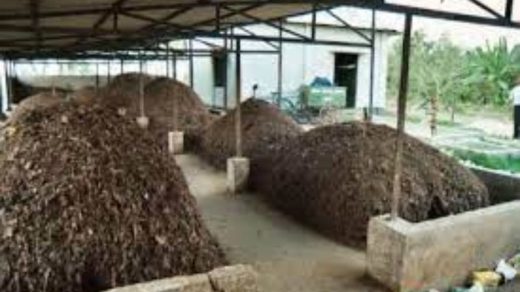
- Preparing the land: The land is cleared, leveled, and prepared for planting. Organic matter such as compost is added to the soil to improve fertility.
- Planting: Banana plants are planted in the prepared soil, typically at a spacing of 6-8 feet between plants.
- Fertilization: Organic fertilizers, such as compost and organic matter, are used to provide the necessary nutrients for plants to grow.
- Pest control: Organic methods, such as the use of beneficial insects, traps, and natural predators, are used to control pests.
- Weed management: Organic methods, such as hand weeding and mulching, are used to control weeds.
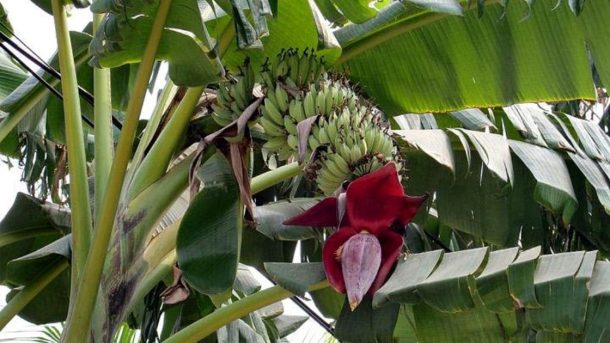
- Harvesting: Organic bananas are harvested when they reach maturity, which can take anywhere from 9 to 12 months.
- post-harvest: Organic bananas are packed and shipped to market.
It is important to note that organic banana cultivation is more labor-intensive and requires more time, effort and knowledge than conventional banana cultivation.