farming practices

What are the benefits of using smart livestock tracking systems?

tracking systems

Real-time Location Monitoring: Intelligent livestock tracking systems technologies allow for the tracking and observation of specific animals in real-time. Within a defined area, farmers may follow the whereabouts of their livestock, making it possible to quickly and precisely identify where their animals are. This is especially helpful in large-scale farms or huge grazing systems where animals have access to vast tracts of land.

Smart tracking systems aid farmers in more effective management of their cattle. Farmers can more efficiently handle duties like feeding, herding, and medical procedures if they are aware of the exact position of the animals. It enables tailored actions, which cuts down on the time and work needed to find and manage individual animals.

Animal Welfare: Tracking systems help to improve the welfare and health of animals. Farmers can immediately see symptoms of distress, harm, or illness by closely observing the movements and behaviour of their animals. This makes it possible for fast medical attention and veterinary care, lowering the danger of disease spread and improving animal wellbeing.

Smart tracking devices are useful in preventing livestock theft and loss. Farmers are informed right away if an animal disappears or wanders beyond of established parameters. This reduces losses from theft, predation, or accidents by enabling swift action to identify and rescue the animal.

How is hyperspectral imaging used for crop disease detection?

hyperspectral

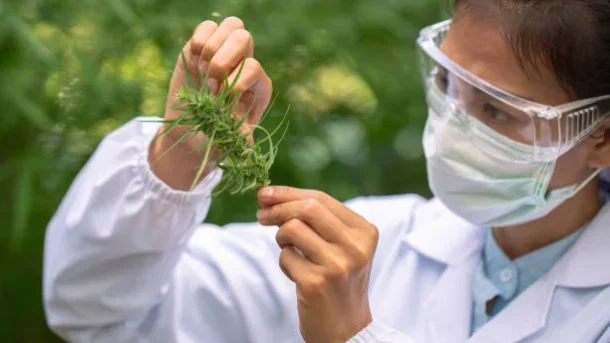
Identification of Disease Symptoms: Hyperspectral imaging aids in the detection of diseases’ subtle effects on plant physiology and biochemistry. Hyperspectral imaging can identify illness symptoms that might not be obvious to the unaided eye by comparing the distinctive spectral fingerprints of healthy and diseased plants. This includes modifications to the leaf’s morphology, biochemistry, and colour and texture.

Early Disease Detection: Hyperspectral imaging makes it possible to identify diseases early, frequently before any outward signs show up. It is possible to find patterns and anomalies connected to the development of diseases by analysing the spectral data. Early detection enables quick management techniques and intervention to lessen the effects of illnesses on crop yield and quality.

Disease Classification and Identification: Specific agricultural diseases can be classified and identified using hyperspectral imaging data. Hyperspectral data can be analysed against reference spectra using machine learning techniques and spectral libraries to determine the presence of particular viruses or diseases. This makes it easier to diagnose diseases accurately and to develop specialised treatment plans.

Monitoring Disease Progression: Throughout the growing season, hyperspectral imaging makes it possible to continuously monitor crop health and disease progression. It is possible to track changes in plant health and disease status over time by periodically collecting spectral data. Farmers can use this information to evaluate the efficacy of disease management systems and make prompt decisions about disease control measures.

 What are the advancements in robotic milking systems for dairy farms?

robotic milking

Animal Health Monitoring: Numerous robotic milking systems come with sensors that keep an eye on cow activity, rumination habits, behaviour, and body temperature. The system can spot potential health problems or alterations in cow behaviour by analysing this data, warning farmers to take appropriate steps like veterinary intervention or more careful observation.

Analytics and Data Integration: Modern robotic milking systems are linked to platforms for data analytics and farm management software. Farmers now have access to real-time information and analysis about characteristics such as feeding, cow health, and milk production. Farmers can enhance herd management, spot trends, and make data-driven decisions to increase productivity and animal welfare with the use of data analytics.

Robotic milking system producers are constantly attempting to enhance their systems, which include software upgrades, user interfaces, and equipment durability. These developments are meant to increase system performance, usability, and reliability, which will ultimately lower maintenance needs and boost uptime.

What are the advancements in indoor farming technologies?

indoor farming

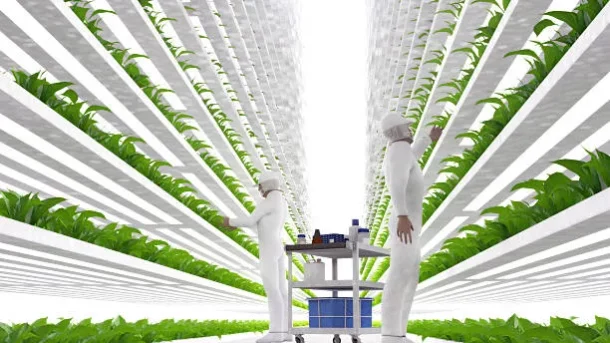
Vertical farming systems: Indoor farming employs Artificial lighting, climate control, and hydroponic or aeroponic systems are used to grow crops in stacked layers or vertical racks. The energy efficiency of LED lighting has increased, and exact light spectra for various phases of plant growth are now available. Vertical farming allows for year-round production in urban settings while maximising land utilisation and consuming less water.

Hydroponics and Aeroponics: These soilless growing methods that provide plants with nutrient-rich water or mist are known as hydroponics and aeroponics, respectively. These devices provide effective fertiliser uptake and water conservation by delivering nutrients directly to plant roots. The accuracy and control of fertiliser and water management in hydroponic and aeroponic setups have increased thanks to developments in nutrient delivery systems, automation, and sensing technologies.

Indoor Climate Control: To maximise plant growth and productivity, indoor farming depends on careful regulation of temperature, humidity, and CO2 levels. Precision changes are made possible by advancements in climate control systems, including sensors, ventilation, and HVAC technology. Automated climate control systems can continuously check environmental conditions and make adjustments to provide the best conditions for various crops.

 What is the concept of smart farming?

smart farming

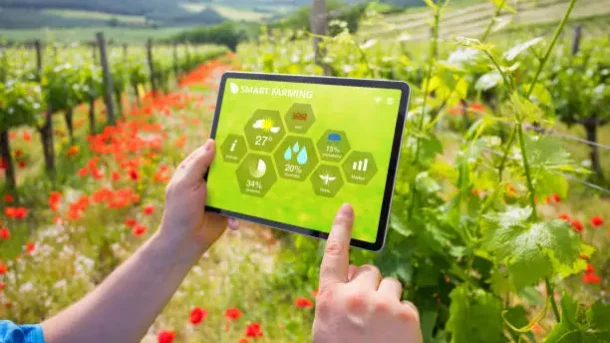
Smart farming offers precision farming techniques, in which farm management is customised to particular areas or even individual plants. Farmers may administer inputs, such as water, fertiliser, or pesticides, precisely where and when they are needed, depending on the conditions and needs of the crop, by using data and technology. This accuracy aids in waste minimization, environmental effect mitigation, and resource utilisation optimisation.

Automation and robotics: Agricultural processes are automated and robotics is used in smart farming. Planting, harvesting, spraying, and monitoring operations can be carried out by automated equipment like autonomous tractors or robotic systems. The usage of robotics is also possible for activities like milking, sorting, and fine weed control. Robotics and automation increase productivity, decrease the need for labour, and allow around-the-clock operations.

Farm Management Systems: Farm management software systems incorporate and analyze data from various sources to enhance agricultural operations. These platforms give farmers a centralised perspective of their business operations, enabling them to manage resources, track profitability, and keep an eye on performance. Systems for managing farms help with record-keeping, planning, scheduling, and regulatory compliance.

Sustainable and Efficient Practises: Using smart farming methods encourages efficient and sustainable agriculture. Smart farming increases output while preserving resources, minimising negative environmental effects from chemical use, and optimising inputs. It promotes efficient fertiliser management, focused crop protection, precise irrigation, and all-around sustainable farming techniques.

How is nanotechnology being applied in agriculture?

nanotechnology

Nanotechnology is utilised to create formulations of insecticides and fertilisers that are applied at the nanoscale. Nanopesticides deliver active substances with precision, increasing their efficacy and minimising their negative effects on the environment. Nanofertilizers are used to fertilise plants more effectively, reducing nutrient loss and enhancing nutrient uptake. These nanoscale compositions can improve fertiliser management and crop protection while using fewer pesticides overall.

Controlled-Release Systems: The creation of controlled-release systems for the delivery of fertilisers, insecticides, and other agricultural inputs is made possible by nanotechnology. To ensure a prolonged and regulated release of active compounds, substances can be constructed into nanocarriers or nanocapsules that release them gradually over time. Because of the more accurate application and decreased treatment frequency made possible by this technique, resources are used more effectively, and environmental pollution is decreased.

Crop Enhancement: Nanotechnology is used to enhance the performance and improve the properties of crops. To improve seed germination, root growth, and overall plant growth, nanomaterials can be added to plant growth regulators or seed treatments, such as nanoparticles or nanoclays. Additionally, by enhancing the bioactivity and bioavailability of bioactive substances, these nanomaterials can support plant health and stress resistance.

Nanosensors are used in agriculture to monitor a number of characteristics, such as soil moisture, nutrient levels, pH, and pest infestations. These sensors offer real-time information on the state of the environment and the health of the plants, enabling accurate monitoring and decision-making. IoT devices that use nanosensors can remotely monitor and manage agricultural operations using data.

 How are sensors used in smart agriculture?

sensors

Soil sensors: Soil sensors gauge the soil’s temperature, moisture content, and nutrient levels. Farmers can use this information to make well-informed decisions about managing soil health, applying fertiliser, and scheduling irrigation. In order to track the distribution of moisture and guarantee effective water use, soil sensor can be positioned at various depths.

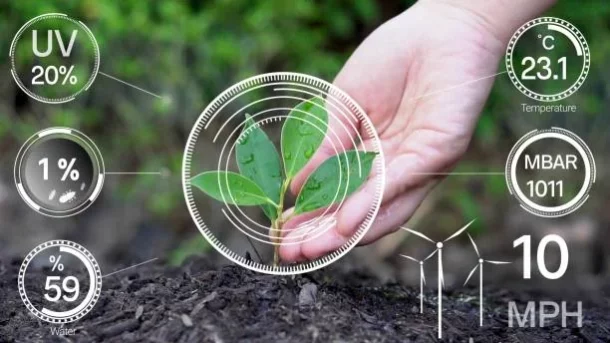
Weather Sensors: Data on temperature, humidity, precipitation, wind speed, and sun radiation is collected by weather sensors. Monitoring weather trends, forecasting changes, and modifying farming practises all depend on this knowledge. Weather sensor aid in resource management optimisation, crop protection from severe weather, and irrigation optimisation.

Crop health sensor monitor a number of aspects of a plant’s health, such as the amount of chlorophyll present, the temperature of the leaf, and the amount of photosynthetic activity. These sensors are capable of identifying the first hints of stress, nutrient deficits, illnesses, and insect infestations. Farmers can take prompt action to avert or lessen potential damage and improve treatment plans by keeping an eye on the condition of their crops.

Sensors are used in livestock facilities to monitor the health, behaviour, and welfare of the animals. They can monitor things like body temperature, heart rate, level of activity, and dietary habits. Livestock sensor aid in the early detection of illness, stress, or abnormal behaviour, allowing for better herd management and early intervention.

What are the benefits of using drones in agriculture?

drones

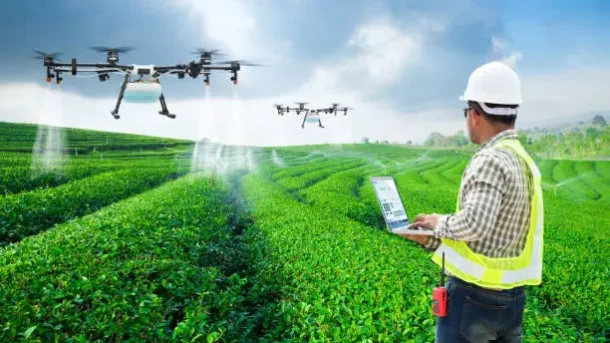
Aerial imaging and mapping: Farmers can construct precise maps of their property using high-resolution aerial photos taken by drones with cameras or sensors. With the help of this data, targeted interventions and precision agriculture techniques may be carried out. They also reveal important insights into crop health, growth trends, and differences within the field.

Drones can regularly fly over crops to obtain visual and multispectral data as part of crop monitoring and health assessments.  this data may be analysed to monitor crop health and find early indications of stress, nutrient deficiency, illness, or insect infestation. Farmers may minimise crop losses, allocate resources more efficiently, and take necessary action with the aid of prompt detection.

Agricultural drones allow farmers to monitor crop and livestock conditions from the air to keep watch for potential problems and help optimize field management. There are several functions that farmers and other agribusiness owners can use agricultural drone services for, including:

  • Land imaging
  • Surveying topography and boundaries
  • Soil monitoring
  • Livestock movement and counting
  • Irrigation monitoring
  • Spraying needs
  • Collecting soil and water samples
  • Troubleshooting

  What is precision agriculture?

precision

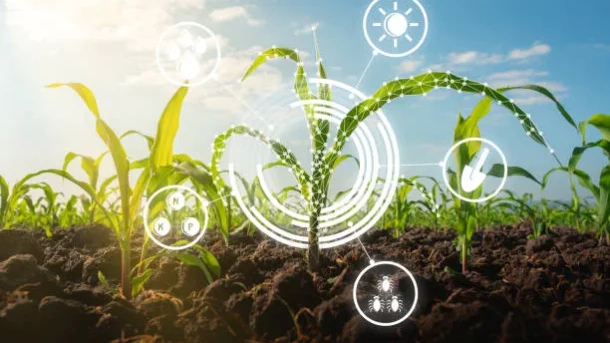
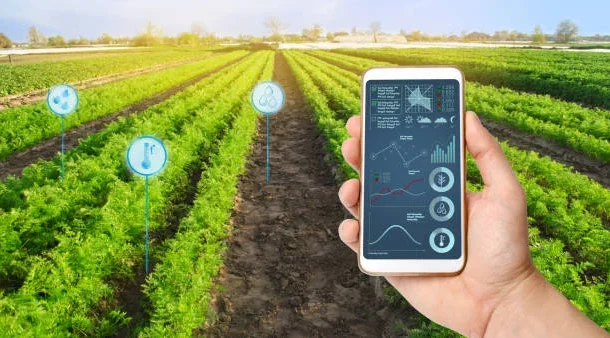
Precision farming, commonly referred to as smart farming, is a modern method of farming that makes use of technology and data analytics to maximise the effectiveness and production of agricultural practises. To acquire data on soil conditions, weather patterns, crop health, and other pertinent elements, it makes use of a variety of technologies, including remote sensing, satellite imaging, GPS, sensors, and data analysis tools.

Making focused judgements about crop management that are better informed is the main objective of precision agriculture. Farmers can learn a lot about their fields’ unpredictability by collecting and analysing real-time data. As a result, they may customise their farming techniques to certain regions or even specific plants, maximising resource allocation and reducing waste.The advantages of precision agriculture are numerous.

Farmers may carefully apply fertilisers, insecticides, and water only where and when it is necessary, cutting down on input costs and having a smaller negative impact on the environment. Farmers can spot possible problems early on by keeping an eye on the health and growth patterns of their crops, allowing for prompt actions to stop or lessen damage. Additionally improving crop yield and quality overall is this technology-driven strategy.

Additionally, precision agriculture makes it possible to accomplish operations like planting, spraying, and harvesting with greater accuracy and efficiency by using automated systems and machinery, such as autonomous vehicles, drones, and robotic equipment.

 How can I improve soil fertility on my farm?

soil fertility

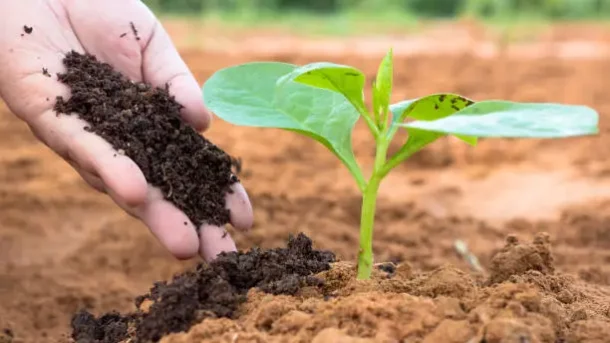
Soil fertility can be further improved by incorporating cover crops that add organic matter to the soil, which leads to improved soil structure and promotes a healthy, fertile soil; by using green manure or growing legumes to fix nitrogen from the air through the process of biological nitrogen fixation; by micro-dose which enhance soil fertility through biological nitrogen fixation, and the application of chemical fertilizers.
Whether grown as pulses for grain, as green manure, as pastures or as the tree components of agro-forestry systems, a key value of leguminous crops lies in their ability to fix atmospheric nitrogen, which helps reduce the use of commercial nitrogen fertilizer and enhances soil fertility.

Nitrogen-fixing legumes are the basis for sustainable farming systems that incorporate integrated nutrient management. Use of nitrogen-15 lends understanding of the dynamics and interactions between various pools in agricultural systems, including nitrogen fixation by legumes and utilization of soil and fertilizer nitrogen by crops, both in sole and mixed cropping systems.