POSTEDITOR OFFICE

How do bees and other pollinators play a vital role in agricultural productivity and crop yield?

pollinators

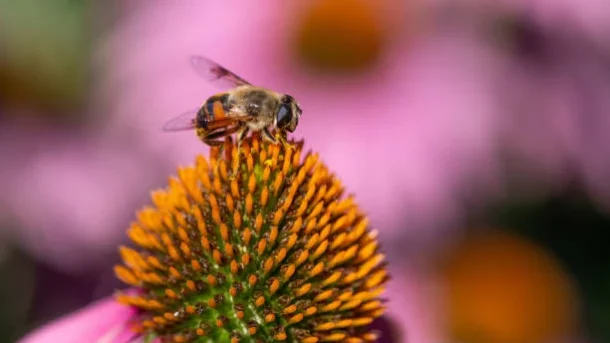
Pollen is transferred from the male reproductive organs (anthers) of flowers to the female reproductive organs (stigma) by pollinators such bees, butterflies, moths, flies, and beetles. The development of seeds and fruits depends on the pollen being transferred, which is necessary for fertilization. This pollination process is crucial for the abundant harvest of many crops.

Increased fruit set: Pollinators aid plants in producing more fruit. Flowers are more likely to successfully fertilize and produce fruit when they get pollen from sources that are compatible with each other. More flowers are effectively pollinated thanks to pollinators, increasing crop yields and yields of products.

Crop features and quality: Consistent fruit and seed development is a result of efficient pollination, which raises crop quality. Consistent size, shape, color, and flavor of fruits and vegetables are made possible by proper pollination. Their market worth, aesthetic appeal, and customer preference are all increased as a result.

Genetic variety: Pollinators help maintain agricultural genetic variation. Pollinators help to encourage cross-pollination, which enables the transfer of genetic material between various plants. Crops are better able to adapt to environmental changes, pests, and illnesses thanks to their genetic diversity.
What are some examples of beneficial soil microorganisms and how do they contribute to soil health and nutrient cycling?

soil

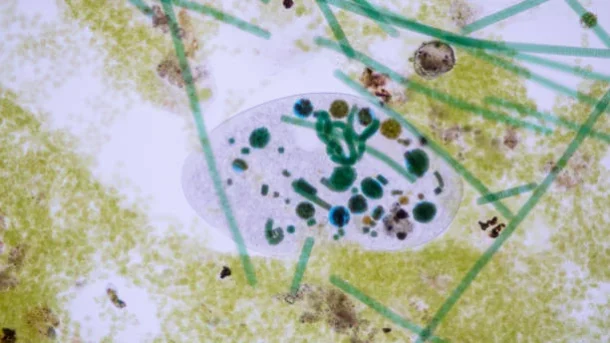
The most prevalent type of microorganism in soil is bacteria. Among the helpful bacteria are:
In symbiotic partnerships with leguminous plants, nitrogen-fixing bacteria Rhizobium and Bradyrhizobium transform atmospheric nitrogen into a form that plants may use for growth. This biological nitrogen fixation improves soil fertility while reducing the requirement for manufactured nitrogen fertilizers.

Bacteria that solubilize phosphorus in soil: Some bacteria, including Pseudomonas and Bacillus species, may accomplish this, increasing the availability of phosphorus to plants. They help plants develop and absorb phosphorus more effectively.

Bacteria that promote plant development: Some bacteria, such as the Azospirillum and Bacillus species, can promote plant growth through a variety of methods, such as the creation of chemicals that promote growth, the mobilization of nutrients, and the suppression of disease.

Fungi: Fungi are essential for the breakdown of organic materials and the cycling of nutrients. Fungi that are useful include:
Fungal mycorrhizae: Both ectomycorrhizal (ECM) and arbuscular (AM) mycorrhizal (AM) fungi create symbiotic relationships with plant roots. They increase nutrient and water intake, notably phosphorus, by expanding the root system. Plants provide the fungal glucose in exchange. Mycorrhizal fungi boost plant stress tolerance, increase nutrient availability, and aid in soil aggregation.

Fungi that decompose material: Fungi that decompose material break down complex organic stuff, such as dead plant matter, into simpler components. This procedure improves soil structure and nutrient availability by releasing nutrients back into the soil and encouraging the production of humus.

How do beneficial insects, such as ladybugs and lacewings, help in controlling pests in agricultural crops?

ladybugs

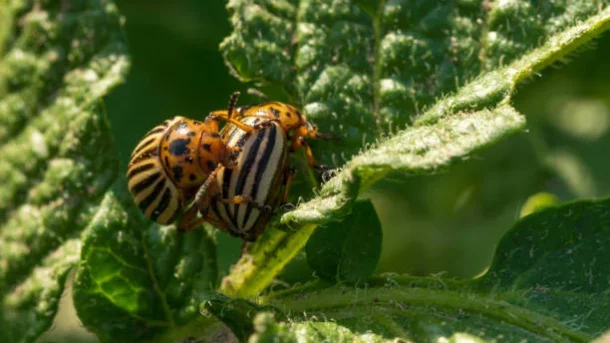
Predation: Aphids, mealybugs, mites, and tiny caterpillars are just a few of the pests that ladybugs and lacewings eat voraciously. They actively seek out these pests and eat them, which aids in lowering their numbers. A single ladybug can eat dozens of aphids every day due to their specific fondness for them.

Effective feeding techniques: Lacewings and ladybugs have mouthparts that are designed specifically to penetrate and suck the bodily fluids of their victim. They are able to quickly shift from one nuisance to another, feasting on several people at once.

Life cycle and reproduction: Beneficial insects can reproduce quickly and have brief life periods. For instance, ladybugs and lacewings produce a large number of eggs that develop into predatory larvae that feed on pests. Ladybug and lacewing larvae are frequently even more ferocious predators than the adults. Due of their fast life cycles, beneficial insects are able to effectively respond to increases in pest populations.

Ladybugs and lacewings are generalist predators, which means they may eat a variety of pests. They may eat a variety of soft-bodied insects and their eggs and are not limited to any one kind of pest. They can thus control a variety of pest species and adjust to shifting pest dynamics in agricultural ecosystems because to their versatility.

What are beneficial organisms in agriculture and why are they important?

Bees, butterflies, birds, and other pollinators are essential for flowering plants to reproduce. They make it easier for pollen to go from male to female floral components, which results in fertilization and the growth of fruits and seeds. For the reproduction of many crop plants, such as fruits, vegetables, and nuts, pollinators are crucial. Crop yields would be much lower without sufficient pollination.

Predatory insects: Pest insects that harm crops are eaten by predatory insects like ladybugs, lacewings, and predatory wasps. They serve as natural predators, reducing populations of pests including aphids, mites, and caterpillars. Predatory insects help integrated pest management (IPM) systems by preying on pests, minimizing the need for chemical pesticides and fostering sustainable pest control.

The small parasitoid wasps that lay their eggs inside or on the bodies of problem insects are known as parasitoid wasps. The host insect is consumed as the wasp larvae develop, ultimately killing it. Aphids, caterpillars, and flies are just a few of the pests that these natural enemies prey upon. Parasitoid wasp populations can be managed and effectively controlled biologically by their existence.

Beneficial soil microorganisms, including bacteria, fungus, and protozoa, are essential for the breakdown of organic matter, the cycling of nutrients, and the general health of the soil. They aid in the decomposition of organic matter, providing nutrients necessary for plant growth. Some soil bacteria also establish advantageous connections with plant roots that help the plants absorb nutrients and become more resistant to diseases and environmental challenges.

How can farmers identify and address common seed-related issues, such as seed-borne diseases or poor seed vigor?

Obtain quality seeds: Begin with seeds of the highest caliber from dependable sources. Purchase seeds from trustworthy seed suppliers or reputable seed growers who adhere to ethical seed production procedures. Quality seeds have passed testing and adhere to strict guidelines for purity, germination, and disease-freeness.

Simple seed quality tests can be carried out by farmers to evaluate germination rates, purity, and vigor. In germination testing, a representative sample of seeds is planted in a controlled environment, and the proportion of seeds that successfully germinate is tracked. Seeds are visually inspected as part of purity testing to look for weed seeds, off-types, or foreign objects. Tests on seed vigor determine whether seedlings will germinate and grow quickly.
Practice seed treatment: Seed-borne infections can be addressed and seed performance can be improved by using seed treatment techniques. Fungicide or insecticide coatings, priming or pre-conditioning treatments to improve germination and early seedling growth, and biological treatments utilizing advantageous microorganisms to support plant health are some examples of treatments.

Ensure adequate seed storage: Maintaining the viability and quality of seeds requires proper seed storage. To reduce moisture and temperature variations, store seeds in a cold, dry, and well-ventilated environment. Use seed bags or airtight containers to keep pests and fungi out of your seeds. Seed variety, storage date, and any other pertinent information should be written on containers.

What are the current advancements in seed technology, such as marker-assisted breeding or gene editing, and their potential impact on agriculture?

breeding

Marker-assisted breeding (MAB) is a process that involves utilizing DNA markers to more quickly select plants with desired features. DNA markers are distinct areas of the genome linked to an important feature. Breeders can screen a huge number of plants and choose the ones that have the required features by recognizing these markers. By requiring less time and money to create new types, this technique expedites the breeding process. MAB can aid in the creation of crops that have increased yield, disease resistance, abiotic stress tolerance, and other desired features.

Techniques for gene editing (like CRISPR-Cas9): Gene editing enables precise alterations to a plant’s DNA sequence.
RNA interference (RNAi) is a biological technique that can be used to silence particular plant genes. RNAi controls gene expression by introducing tiny RNA molecules that target particular gene sequences, which may enhance desired features or reduce undesirable ones. Using RNAi-based techniques, it is possible to create crops with improved post-harvest attributes, increased nutritional value, and increased insect resistance.

Utilizing genomic data to forecast an animal’s or plant’s performance is known as genomic selection. Breeders can more precisely choose individuals with desired features for breeding by studying an organism’s full genome, including DNA markers linked to significant traits. Genomic selection makes selection more accurate and effective, which speeds up genetic progress and leads to the creation of superior kinds.

How can farmers implement seed saving techniques to promote biodiversity and sustainability?

saving

Choose heirloom or open-pollinated varieties: Heirloom and open-pollinated types yield seeds that will develop into plants with traits resembling the parent plant. Because their seeds may be trustworthily preserved and replanted to preserve the desired qualities over generations, these types are excellent for seed saving.

Choose the right plants to save seeds from: For seed saving, pick plants that are robust, healthy, and have the features you want. Choose plants with characteristics that are significant to you, such as disease resistance, yield, flavor, or any other quality. Selecting plants with disease symptoms or low performance is a bad idea.

Eliminate and prevent cross-pollination: Some plant species are susceptible to this process, in which pollen from various kinds combines and produces hybrid seeds. Place physical barriers like nets, cages, or distances between plants to prevent cross-pollination in order to preserve the integrity of the stored seeds.

It is best to wait until the seeds are fully developed and dried on the plant before harvesting them. Immature seeds may not germinate, thus it is best to let them dry on the plant until they are at their ideal age. When the seeds are ready and dry, keep an eye on the plant and harvest them.

What role do genetically modified (GM) seeds play in modern agriculture, and what are the associated benefits and concerns?

genetically modified

Resistance to pests and illnesses: Genetically modified (GM) seeds can express characteristics that render crops resistant to specific pests, insects, or diseases. This may lessen the need for chemical pesticides, resulting in lower production costs, less pesticide use, and perhaps less negative effects on the environment.

Herbicide tolerance: Some Genetically modified (GM) crops have been designed to withstand a certain class of herbicides. This makes it possible for farmers to employ more effective weed management techniques by utilizing pesticides that target the weeds without hurting the crop.

Productivity gains: Through features like higher photosynthesis, nitrogen uptake, or stress tolerance, GM crops may have increased yield potential. To satisfy the rising demand for food around the world, this can help enhance crop productivity and food output.

Increased nutritional value: Genetically modified (GM) crops can be altered to have more nutritional value, such as higher vitamin or mineral concentrations. This has the ability to treat certain nutrient deficits in some areas and enhance outcomes for public health.

How do seed germination rates vary across different plant species, and what factors can affect germination success?

plant species

Mechanisms for dormancy: Some seeds and plant species have internal mechanisms for dormancy that delay germination unless specific requirements are met. Hard seed coverings, chemical inhibitors, or physiological dormancy are a few examples of causes of dormancy. To break dormancy and encourage germination, specific treatments like scarification (mechanical or chemical abrasion of the seed coat) or stratification (exposure to cold temperatures) may be needed.

Temperature: The germination of seeds is greatly influenced by temperature. For optimal germination, different plant species require different temperatures. The ideal temperature range or certain temperature thresholds for seed germination may exist. While some seeds prefer cooler temps, others need warmth. If the temperature is too high or too low for a particular species, germination may be hampered or delayed.

Moisture: For seeds to germinate, there must be enough moisture. The germination process in seeds is triggered by a particular moisture content. While an abundance of moisture can result in rotting, fungal or bacterial growth, and seedling damping-off, it can also delay or prevent germination. For successful seed germination, the right soil moisture levels and irrigation techniques are essential.

Light requirements: Some plant species need light to germinate, while others may need darkness. Some seeds must be exposed to light in order to germinate, and dirt might prevent this from happening. However, some seeds need complete darkness to germinate. For optimal germination, it’s crucial to understand the lighting needs of various plant species.

What are the best practices for seed storage and preservation to maintain their viability?

Before storing, seeds should be completely dried in order to avoid the growth of mold and preserve the quality of the seeds. The moisture level of most seeds should be dried to between 5 and 10%. Spread the seeds out in a single layer and place them in a well-ventilated spot out of the direct sun to dry naturally. To ensure equal drying, give the seeds a regular stir or spin.

Before storing the seeds, clean and remove any plant matter, chaff, or other pollutants. Cleaning the seeds aids in preventing fungus growth and bug presence, both of which can harm the seeds during storage.

Use airtight containers: To keep dried seeds safe from moisture, air, and pests, store them in airtight containers. Glass jars, metal cans, or seed packs that can withstand moisture are all acceptable containers. Make sure the containers are tidy, dry, and devoid of any lingering chemicals or scents that can impair the quality of the seeds.

Keep seeds in a cool, dry environment: To keep seeds viable, they should be kept in a cool, dry, and dark environment. Since lower temperatures slow down the pace of seed breakdown, the best storage temperature is normally between 32°F (0°C) and 41°F (5°C). The seeds should not be exposed to extreme heat because this would shorten their lifespan.