POSTEDITOR OFFICE

Are there different types or formulations of chemical fertilizers available?

fertilizers

Straight Fertilizers: These fertilizers only contain one main nutrient and are single-nutrient fertilizers. For instance, straight fertilizers that supply nitrogen are urea and straight fertilizers that supply phosphorus are monoammonium phosphate (MAP) and diammonium phosphate (DAP).

Compound fertilizers are those that combine two or more essential nutrients in a variety of ratios. For instance, complex fertilizers called NPKs deliver nitrogen, phosphorous, and potassium in various ratios. Based on crop needs and soil studies, the precise NPK ratio changes.

Complex Fertilizers: Complex fertilizers are similar to compound fertilizers, but they additionally include secondary and/or micronutrients. These fertilizers offer a wider range of vital components for plant growth. Examples include NPK fertilizers that have been supplemented with micronutrients like iron, zinc, or boron as well as secondary nutrients like calcium, magnesium, or sulfur.

Fertilizers with controlled release: These fertilizers are made to release nutrients gradually over an extended period of time, giving plants a steady supply of nutrients. To control nutrition release, they are frequently coated or encapsulated. Controlled-release fertilizers assist minimize environmental effects, increase nutrient usage effectiveness, and reduce nutrient losses.


Can chemical fertilizers improve the nutritional content of crops?

nutritional

Chemical fertilizers supply important macronutrients like potassium, phosphorus, and nitrogen that are necessary for plant growth and development. The synthesis of proteins, carbs, and vitamins is one of the many metabolic activities that these macronutrients are essential for. Chemical fertilizers offer a sufficient nutrient supply, giving plants the raw materials they need to create and store these nutrients in their tissues.

Protein Content: Plant protein production is tightly related to nitrogen, a component of chemical fertilizers. A higher nitrogen availability may result in crops having more protein, which is crucial for human nutrition. Protein is crucial for the body’s physiological processes, including growth, muscle development, and many others. Chemical fertilizers indirectly enhance food’s nutritional value by encouraging protein synthesis.
Iron, zinc, manganese, and copper are examples of micronutrients that may be present in some formulations of chemical fertilizers, which primarily concentrate on providing macronutrients. These micronutrients are necessary in trace amounts for human health and are necessary for a number of enzymatic processes. Chemical fertilizers indirectly improve the nutritional content of crops, making them more nutrient-dense for human consumption, by providing an adequate supply of micronutrients to plants.

It’s crucial to remember that while chemical fertilizers can enhance crops’ nutritional content in terms of macronutrients and specific micronutrients, they might not have a significant impact on crops’ overall nutritional profile in terms of vitamins, antioxidants, or phytochemicals. Beyond the purview of this article, a number of genetic, environmental, and agronomic factors affect the presence of these chemicals in crops.

What are the advantages of using chemical fertilizers in agriculture?

chemical fertilizers

Chemical fertilizers offer fine control over the mix and concentration of nutrients. As a result, farmers can modify the fertilizer application to suit the needs of particular crops and the soil. Chemical fertilizers help to overcome nutritional deficiencies, promote balanced plant growth, and increase crop yields by giving vital elements in the right ratios.

Chemical fertilizers are highly soluble and easily accessible to plants, resulting in rapid nutrient availability. They swiftly dissolve in soil after application, providing nutrients that plant roots can readily absorb. This quick nutrient availability is especially helpful when plants are in key growth phases and have high nutritional requirements. It enables quick growth reactions and can quickly correct nutrient deficits.

Increased Crop Yields: Using fertilizers in agriculture is primarily intended to boost crop yields. When utilized properly, it is give plants the essential nutrients in concentrated and palatable forms. This encourages the best possible plant development, growth, and productivity, which raises crop yields. Chemical fertilizers assist farmers in maximizing their crop yield by addressing nutritional restrictions.

Precision and Efficiency: Chemical fertilizers are designed to be precise and effective. They minimize nutrient losses due to leaching or volatilization by supplying nutrients directly to the plants. By delivering nutrients with such accuracy, plants are guaranteed to receive the nutrients they need, minimizing waste and boosting fertilizer efficiency. Additionally, it enables the use of energy, water, and land resources more effectively.

How do chemical fertilizers contribute to increasing crop yields?

yields

Chemical fertilizers supply plants with concentrated versions of readily available and necessary nutrients. By doing this, it is made sure that plants receive a sufficient and balanced amount of the nutrients they need to grow and develop. The three main macronutrients found in chemical fertilizers, nitrogen, phosphorus, and potassium, are essential for plant growth and have a crucial impact on activities like photosynthesis, root growth, and energy transmission. Chemical fertilizers assist overcome nutritional deficits and promote healthy plant growth, which results in improved agricultural yields, by giving these minerals in the right amounts.

Enhanced Plant Nutrition: Plants can absorb nutrients from chemical fertilizers more quickly and effectively than from organic sources. Chemical fertilizers’ highly soluble nature makes it possible for plants to efficiently absorb nutrients through their roots. This quick availability of nutrients makes for ideal
Improved Crop Quality: Chemical fertilizers can improve the quality of harvested produce in addition to increasing crop yields. The protein content and nutritional value of crops can be increased by providing enough nutrients, especially nitrogen. Phosphorus encourages the development of flowers, fruits, and seeds, improving crop quality and output. Fruits and vegetables with more potassium have better size, color, flavor, and shelf life. Chemical fertilizers help to produce higher-quality crops that satisfy consumer needs by providing adequate nutrient availability.

Increased Photosynthetic Efficiency: The process through which plants turn sunlight into energy, known as photosynthesis, depends on nitrogen, a fundamental ingredient in chemical fertilizers. A lack of nitrogen can hinder photosynthetic activity and affect a plant’s capacity to create biomass and carbohydrates. Chemical fertilizers boost photosynthetic activity by delivering nitrogen.

What are the main components or nutrients present in chemical fertilizers?

chemical fertilizers

The development of leaves, stems, and other vegetative organs depends on the nutrient nitrogen (N), which is essential for plant growth. The synthesis of proteins, photosynthesis, and general plant metabolism all depend on it. Lack of nitrogen can cause stunted growth, leaf yellowing, and decreased yield. Different types of nitrogen, such as ammonium (NH4+), nitrate (NO3–), or urea, which are easily absorbed by plants, are frequently included in chemical fertilizers.

Phosphorus (P): For several metabolic activities in plants, such as energy transfer, root growth, flowering, and fruiting, phosphorus is crucial. It facilitates in the movement of energy from one area of the plant to another and encourages the development of robust roots. A lack of phosphorus can cause delayed maturation, poor root growth, and smaller seeds.
Potassium (K): Potassium is essential for a variety of plant processes, including the activation of enzymes, control of water and nutrient transport, and disease resistance. It helps plants be more resilient to stress and have greater overall health. Lack of potassium can cause crops to produce less well, weaken their stalks, and become more vulnerable to pests and diseases. Potassium is provided via chemical fertilizers in the form of potassium sulfate or potassium chloride (Muriate of Potash).

Chemical fertilizers can include secondary nutrients like calcium (Ca), magnesium (Mg), and sulfur (S) in addition to these macronutrients. They can also include micronutrients like iron (Fe), manganese (Mn), zinc (Zn), copper (Cu), boron (B), molybdenum (Mo), and others. Chemical fertilizers’ precise nutrient makeup varies based on their formulation and the needs of the targeted crops.

What are chemical fertilizers and how are they different from organic fertilizers?

organic fertilizers

Chemical Fertilizers: Industrial methods are used to create chemical fertilizers, commonly referred to as synthetic or in organic fertilizers. They are designed to give plants particular nutrients in easily assimilated forms. The three main macronutrients that plants need, nitrogen, phosphorus, and potassium, are often concentrated in chemical fertilizers. These vitamins and minerals come from non-renewable resources like coal, oil, and natural gas.

Organic Fertilizers: Natural materials including animal dung, compost, bone meal, fish emulsion, and plant remnants are used to make organic fertilizer. They contain a mix of micronutrients, organic matter, and nutrients like nitrogen, phosphate, and potassium. As organic fertilizer decompose or are broken down by microbial activity in the soil, nutrients are steadily released over time. They help to enhance the soil ecosystem’s overall health as well as the soil’s ability to retain water.

Chemical fertilizers are often thought to be less sustainable and more harmful to the environment than organic fertilizers. They increase soil fertility, encourage advantageous microbial activity, lower the possibility of nutrient runoff, and prevent water pollution. However, compared to chemical fertilizers, organic fertilizer often have lower nutrient concentrations and slower nutrient release, which means that it takes longer for nutrients to become available to plants.

How do predatory mites and spiders help in reducing populations of harmful pests in agricultural settings?

pests

Predatory mites are minuscule arachnids that feed on a variety of microscopic arthropods, including pests like thrips, whiteflies, and spider mites. In integrated pest management (IPM) systems, they are frequently used as biological control agents. These mites use chemical or vibrational clues to find their prey. They actively feed on the pest species they have located, sucking out their bodily fluids as they do so. If the prey is plentiful, predatory mites can build a stable population through rapid reproduction. They work well in controlling pest populations and keeping them at reasonable levels.

Spiders are well-known bug and other arthropod predators. They are crucial in biological pest control since they capture and eat a variety of pests in agricultural settings.
Because they prey only on harmful pests and typically leave beneficial insects untouched, predatory mites and spiders are both regarded as helpful species. In agriculture, they offer a natural, environmentally friendly alternative to industrial pesticides, reducing reliance on them and fostering biological diversity. The overall health of agroecosystems can be maintained while minimizing the detrimental effects of pests on crop productivity by including these helpful arthropods into integrated pest management schemes.

What role do bats play in agriculture, especially in terms of pest control and pollination?

pest

Bats are voracious insect eaters, and the majority of the insects they consume are nocturnal. Many of these pest insects harm crops and lower yields in agriculture. Bats assist in naturally reducing pest populations by eating a lot of insects. As a result, fewer chemical pesticides are required, which is better for the environment and everyone’s health. The ability of bats to control pests is especially useful in tropical areas with high bug populations.
Some bat species play a vital role in pollination, particularly in tropical and subtropical areas. They had a common ancestor with several plant species that depend on bat pollination. Frequently, the huge, fragrant flowers on these plants bloom at night, when bat activity is greatest. Bats unintentionally spread pollen from flower to bloom as they consume nectar, assisting in the fertilization process. Bats and the plants they visit benefit from this reciprocal interaction. Many economically significant plants, including agave, bananas, mangoes, and guavas, rely on bat pollination to reproduce.

It’s important to note that due to the diversity of their diets and foraging habits, not all bat species participate in pollination or pest control. However, bats generally contribute significantly to agriculture by providing natural pest control.

How do earthworms improve soil structure and nutrient availability, making them valuable organisms in agriculture?

earthworms

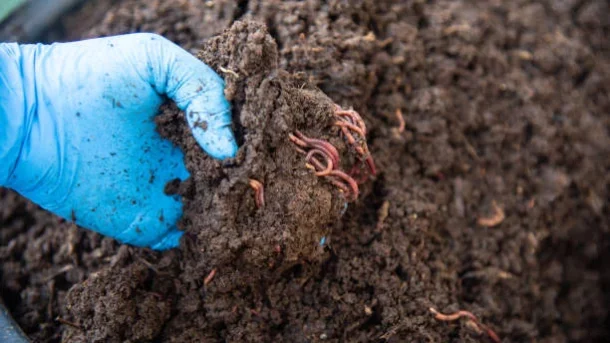
Enhancing soil structure: Because they physically change the soil environment, earthworms are referred to as ecosystem engineers. They make channels and tunnels in the soil as they dig through it, which helps the soil’s structure. In order to improve soil aeration, water infiltration, and root penetration, the burrows provide paths for air, water, and plant roots. Earthworms encourage improved root development and nutrient uptake by plants by loosening compacted soil.

Decomposition of organic matter: Earthworms feed on organic stuff, such as rotting organic waste and dead plant material. The organic stuff is broken down and blended with the soil as it moves through the earthworm digestive system. By speeding up the breakdown and mineralization of organic materials, a process known as vermicomposting, nutrients are released in readily usable forms.


Cycling of nutrients: Earthworms help the soil’s nutrient cycle. Earthworm consume organic material, bacteria, and mineral particles through their feeding activities. These substances are altered and partially broken down when they move through the digestive system of earthworms. Higher nutrient concentrations and better nutrient forms can now be absorbed by plants thanks to the excretions and castings that occur. Earthworm aid in nutrient redistribution, lowering nutrient stratification and enhancing nutrient distribution.

Earthworms play a role in the production of soil aggregates, which are collections of soil particles bound together by microbial and organic materials. The organic matter and mineral particles that earthworms mix together as they migrate through the soil to create stable aggregates. By generating pore spaces for the circulation of air and water, these aggregates strengthen the soil’s structure.

What are some beneficial nematodes and how do they help in managing plant diseases?

nematodes

This nematode species, Steinernema foliate (Feltiella), is frequently employed to manage beach flies and fungus gnats, which are pests that can harm plant roots and leaves. The S. feltiae infective juveniles enter the insect pests through cuticle penetration or natural holes. Once inside, the nematodes release bacteria that kill the insects, and the bacteria and insect tissue are subsequently consumed by the worms. This aids in lowering insect numbers and preventing potential plant harm from them.

Heterorhabditis bacteriophora (Hetero): Beetle, weevil, and caterpillar larvae are just a few of the soil-dwelling insects that H. bacteriophora is employed to biologically control. By entering the insect’s bodily cavities, the nematodes infect it with bacteria that eventually kills the host.
Steinernema carpocapsae’s (Carpo): Nematodes from this genus are employed to treat a variety of insect pests, including as fleas, armyworms, cutworms, and sod webworms. S. carpocapsae’s infectious juveniles look for their insect hosts in the soil or on plant surfaces. They penetrate the insect or enter it naturally, releasing bacteria that kill the host. Nematodes effectively lower pest populations by feeding on bacteria and insect tissue.

White grubs are harmful pests that feed on the roots of many different plants, including turfgrass and ornamentals. Glasgow nematodes, also known as Steinernema glaseri, are used to control these grubs. Infectious S. glaseri youngsters scour the dirt for white grubs before biting into them through their body holes. They discharge microorganisms that result in death.