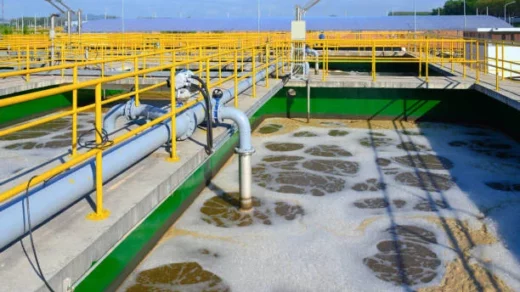
Chemical Fertilizers: Industrial methods are used to create chemical fertilizers, commonly referred to as synthetic or in organic fertilizers. They are designed to give plants particular nutrients in easily assimilated forms. The three main macronutrients that plants need, nitrogen, phosphorus, and potassium, are often concentrated in chemical fertilizers. These vitamins and minerals come from non-renewable resources like coal, oil, and natural gas.
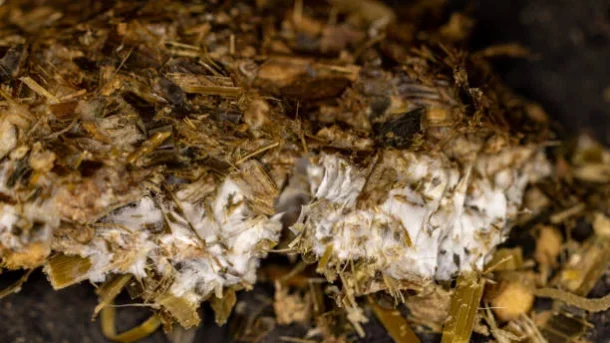
Organic Fertilizers: Natural materials including animal dung, compost, bone meal, fish emulsion, and plant remnants are used to make organic fertilizer. They contain a mix of micronutrients, organic matter, and nutrients like nitrogen, phosphate, and potassium. As organic fertilizer decompose or are broken down by microbial activity in the soil, nutrients are steadily released over time. They help to enhance the soil ecosystem’s overall health as well as the soil’s ability to retain water.
Chemical fertilizers are often thought to be less sustainable and more harmful to the environment than organic fertilizers. They increase soil fertility, encourage advantageous microbial activity, lower the possibility of nutrient runoff, and prevent water pollution. However, compared to chemical fertilizers, organic fertilizer often have lower nutrient concentrations and slower nutrient release, which means that it takes longer for nutrients to become available to plants.