POSTEDITOR OFFICE

What are the best practices for seed storage and preservation to maintain their viability?

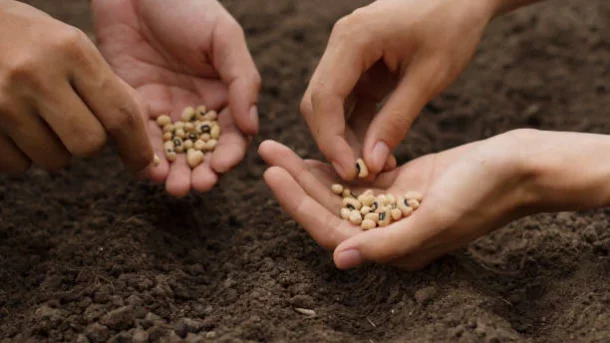
Before storing, seeds should be completely dried in order to avoid the growth of mold and preserve the quality of the seeds. The moisture level of most seeds should be dried to between 5 and 10%. Spread the seeds out in a single layer and place them in a well-ventilated spot out of the direct sun to dry naturally. To ensure equal drying, give the seeds a regular stir or spin.

Before storing the seeds, clean and remove any plant matter, chaff, or other pollutants. Cleaning the seeds aids in preventing fungus growth and bug presence, both of which can harm the seeds during storage.

Use airtight containers: To keep dried seeds safe from moisture, air, and pests, store them in airtight containers. Glass jars, metal cans, or seed packs that can withstand moisture are all acceptable containers. Make sure the containers are tidy, dry, and devoid of any lingering chemicals or scents that can impair the quality of the seeds.

Keep seeds in a cool, dry environment: To keep seeds viable, they should be kept in a cool, dry, and dark environment. Since lower temperatures slow down the pace of seed breakdown, the best storage temperature is normally between 32°F (0°C) and 41°F (5°C). The seeds should not be exposed to extreme heat because this would shorten their lifespan.

How do hybrid seeds differ from open-pollinated seeds, and what are the advantages and disadvantages of each?

open-pollinated

Hybrid seeds are created by open-pollinated two separate parent plants that have desirable characteristics. The resulting hybrid seeds have unique traits that come from both parents. To obtain desirable features like increased yield, disease resistance, or uniformity, the hybridization process is meticulously managed.

Benefits of hybrid seeds include:

Increased productivity: Compared to open-pollinated seeds, hybrid seeds frequently display hybrid vigor or heterosis, which leads to larger yields.
Improved characteristics: Hybrids are produced to have particular characteristics like disease resistance, consistency in size, shape, or color, and higher environmental tolerance.
Hybrid plants typically exhibit more consistent development, maturity, and other traits, which can be helpful for farming and harvesting with machinery.
Hybrids typically perform better than open-pollinated seeds in terms of consistency.
Hybrid seed disadvantages include:

Dependence on seed suppliers: Because hybrid seeds do not produce true-to-type progeny, they cannot be kept and sown for consecutive seasons. Each planting season, farmers must buy hybrid seeds, which can raise output expenses.
Limited genetic diversity: The particular parent lines employed in the creation of hybrid seeds frequently determine the genetic make-up of those seeds. They may be more susceptible to specific pests, illnesses, or environmental changes as a result of their decreased genetic variety.
Less adaptability: Hybrid seeds are frequently developed for certain growing conditions or habitats. If the circumstances are drastically different from the target setting, they could not perform as well.
Breeding complexity: Creating hybrid seeds involves specialized breeding methods and knowledge, which may restrict their availability and raise their price in comparison to other types of seeds.

What is the significance of seed treatment methods in enhancing crop productivity?

seed treatment methods

Pest and disease management: seed treatment methods can aid in the defense of seeds and young seedlings against a variety of pests and diseases. Crops can suffer severe harm from seed-borne diseases and insect pests, which can result in decreased germination, subpar stand establishment, and lower yields. Applying fungicides, insecticides, or biological agents to the seeds as seed treatment methods can help suppress or manage these infections and pests. Seed treatments help crops grow healthier and more vigorously by defending the seeds during the crucial early stages.

Improvements in germination rates and early seedling vigor can be attained through seed treatments. Certain seed treatments can help seeds germinate more quickly and uniformly by breaking dormancy, enhancing imbibition, and providing vital nutrients or growth stimulants.

Accessibility and Uptake of Nutrients: Some seed treatments contain nutrients or biostimulants that enhance the accessibility and uptake of nutrients by the sprouting seedlings. Improved crop productivity can result from these treatments, which can promote early root formation, nutrient absorption, and overall plant growth.

Environmental Stress Resistance: Seed treatments can provide resistance to environmental conditions including drought, heat, or cold. They might contain elements that encourage increased resistance to these stresses, improving the plant’s capacity to tolerate challenging circumstances and minimizing yield losses.

How can farmers ensure the quality and purity of seeds before planting?

quality and purity

Buy seeds from dependable vendors: It’s critical to purchase seeds from dependable, accredited seed suppliers. These suppliers follow quality guidelines and offer seeds that have undergone testing and been found to be of high quality and purity. Look for seed businesses that have a history of generating high-quality seeds and a solid track record of delivering on their promises.

Examine the seed labels and packaging to make sure they include comprehensive information about the seed variety, origin, germination rate, purity, and any treatments or coatings used on the seeds. The name and contact details of the seed source should also be on the label. Make sure the packing is complete and sealed properly.

Seek out certification and quality assurance; Certified seeds have undergone stringent quality testing and have proven to meet the requirements of seed certification organizations. Check to determine whether the seeds have any quality and purity assurance certifications or are certified by a reputable organization. By being certified, seeds are guaranteed to have undergone purity, germination, and contamination or disease testing.

Simple germination tests can be carried out by farmers to determine the viability and germination rate of the seeds. Take a sample of the seeds, and then follow the correct germination protocols, such as offering the right amount of moisture and heat. Keep track of the percentage of seeds that sprout within a certain amount of time. Poor seed quality may be indicated by a low germination rate.

What are the key factors to consider when selecting seeds for different crops?

selecting seeds

Climate and Growing Conditions: Each crop has unique environmental and climate needs. Take into account the growing season length, humidity, rainfall, and temperature in your area. To increase the likelihood that your seeds will germinate and grow well, selecting seeds that are well adapted to your region’s climate.

In order to grow a given crop, selecting seeds that are resistant to typical diseases and pests that harm that crop. The need of chemical interventions can be minimized with the use of disease-resistant seedlings.

Yield and Productivity: Take into account the crop variety you are choosing’s potential yield and productivity. Look for seeds that have a history of consistently producing good yields. Frequently, seed catalogs or regional agricultural extension offices will have this information.

Maturity Period: The time from planting to harvest is referred to as a crop’s maturity period. Choose seeds with a maturation duration that corresponds with the length of your growing season. By doing this, you can be confident that the crop will have enough time to mature and yield a harvest before bad weather conditions appear.

Quality and Viability: Pick seeds with a high level of both quality and viability. Examine elements including seed uniformity, color, and size. To retain the seeds’ viability, make sure they are properly stored and are not old.

Desired Traits: Take into account any particular traits or qualities you are trying to find in your crop. This may involve elements like flavor, color, texture, or particular nutritional characteristics. The flavor, look, and nutritional content of different seed kinds might vary.

What are the problems caused by inadequate access to credit and financial services for agricultural investments?

financial services

Farmers and the agricultural industry as a whole may face serious difficulties as a result of inadequate access to financing and financial services for agricultural investments. The following are some issues that may result from this problem.

Limited Investment Capacity: Farmers’ capacity to invest in contemporary agricultural practices, machinery, equipment, and technology may be constrained by a lack of access to financing and financial services. Because of this, they are less productive and efficient, which results in lower yields, lower profits, and less chances for expansion and diversification.

Limited Expansion and Innovation: Farmers may encounter difficulties implementing new farming methods or expanding their enterprises without access to credit. Farmers may be unable to adapt to shifting market demands and environmental issues if they are unable to embrace sustainable and climate-smart practices.

Limited Working Capital: Seasonal financial flows and erratic income trends are features of the agricultural industry. Farmers may struggle to buy supplies like seeds, fertilizer, and insecticides or to find workers to work during crucial production seasons if they have insufficient access to financing. This may cause crop quality to decline, output to be delayed, and market opportunities to be lost.

Lack of access to financing and financial services makes farmers more susceptible to hazards like pest infestations, diseases, and natural disasters. Farmers may find it difficult to recover from such shocks and to reestablish their businesses in the absence of financial safety nets. Farmers’ communities may experience a rise in poverty and food insecurity as a result of this.

How does the lack of capacity-building and training opportunities hinder farmers’ skills development?

capacity-building and training opportunities

The growth of farmers’ skills and their potential to enhance agricultural practices can be severely hampered by a lack of capacity-building and training opportunities. The following are some difficulties that the lack of such possibilities may cause:

Limited Technical Skills and Knowledge: capacity-building and training opportunities give farmers the technical know-how they need to embrace modern farming methods, increase production, and improve sustainability. Without access to training, farmers can rely on old-fashioned practises that reduce yields, waste resources, and make them more susceptible to pests, illnesses, and climate-related problems.

Inadequate Adoption of Best Practices: Training programmes give farmers information on the best practices for managing crops, maintaining healthy soil, controlling pests and diseases, conserving water, and handling produce after harvest. Without sufficient instruction,

Limited Knowledge of Market Dynamics: Training programmes give farmers information on market trends, consumer preferences, dynamics of the value chain, and quality requirements. With the use of this information, farmers may make well-informed choices, adjust their production to market needs, and take advantage of better market prospects. Farmers may lack market information in the absence of training, which makes it difficult for them to advertise their goods and set competitive prices.

What are the issues related to land degradation and the depletion of natural resources in agriculture?

land degradation

Natural resource depletion in agriculture and land degradation are serious problems with many interrelated problems.

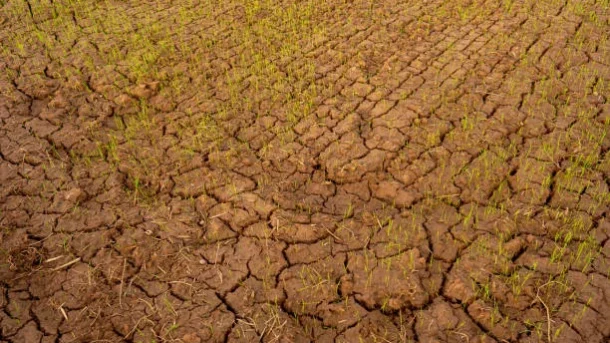
Erosion of the soil can be caused by unsustainable agricultural practices such heavy tillage, inadequate irrigation, and insufficient soil conservation measures. The topsoil layer, which is essential for nutrient retention, water infiltration, and plant growth, deteriorates due to soil erosion. It lessens agricultural output, decreases soil fertility, and raises the possibility of land degradation.

Loss of Soil Organic Matter: The depletion of soil organic matter can be brought on by ongoing farming, bad land management techniques, and excessive use of synthetic fertilizers. In soil structure, nutrient cycling, moisture retention, and carbon sequestration, soil organic matter is crucial. Due to its loss, soil fertility is decreased, soil structure is weakened, and the susceptibility of land.

Water shortage and Pollution: Water shortage is a result of unsustainable agricultural practices such excessive water consumption, ineffective irrigation systems, and poor water management. Aquifers can be depleted and water availability for agriculture and other industries reduced as a result of excessive water use. Additionally, agricultural runoff that is polluted by pesticides, fertilizers, and sediments can impact aquatic ecosystems and human health by contaminating water sources.

How does the limited availability of affordable and efficient energy sources impact agricultural productivity?

affordable

The productivity of agriculture can be significantly impacted by the scarcity of affordable, effective energy sources. The following are some ways that this problem may impact agricultural operations:

Water management and irrigation: Access to affordable, dependable electricity is essential for irrigation systems, particularly in regions with irregular or insufficient rainfall. Pumps, irrigation systems, and water distribution to crops all require energy to run. Farmers might have trouble properly irrigating their crops without access to energy, which might result in a shortage of water, lower crop yields, and worse agricultural output.

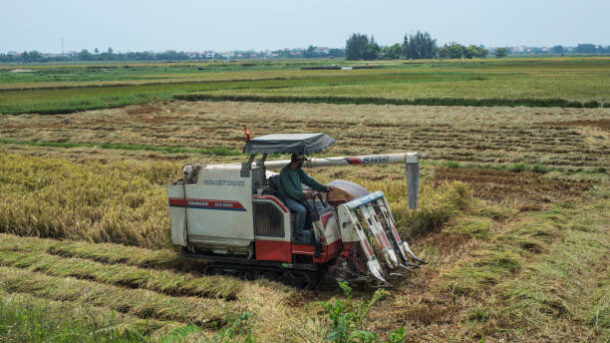
Farm Mechanization and Equipment: Tractors, harvesters, and other processing equipment are examples of the types of farm machinery and equipment that require energy to operate. Agriculture may become much more productive, efficient, and labor-saving with mechanization.

Value Addition in Agro Processing: Agro Processing processes including milling, grinding, and food processing all require energy. Farmers may raise the value of their agricultural products, expand their market options, and diversify their sources of revenue by having access to economical energy sources. Agro-processing activities may be hindered by a lack of energy, which could limit the potential for value addition and economic development in rural areas.

Sustainable Farming Methods: A lot of sustainable farming methods depend on cheap and effective energy sources, including precision agriculture, controlled environment agriculture, and renewable energy integration. For accurate nutrient management, remote monitoring, and energy-efficient heating, cooling, and lighting systems, energy fuels the technology and sensors. The adoption of sustainable farming methods may be hampered by a lack of access to such energy sources, which would limit productivity increases and environmental sustainability.

What are the challenges faced by farmers in adapting to technological advancements and digitalization in agriculture?

digitalization

Farmers must overcome a number of obstacles to adapt to the digitalization and technology improvements in agriculture. Here are some typical difficulties:

Access to Technology: For many farmers, especially those who operate in distant or underdeveloped locations, access to technology—including hardware, software, and digital infrastructure—remains a substantial challenge. Farmers’ capacity to adapt and profit from technology improvements is hampered by their limited access to dependable internet connectivity, smartphones, computers, and other digital gadgets.

Affordability: Using technology frequently entails spending money on equipment purchases, software licenses, and ongoing maintenance charges. It may be difficult for farmers to cover these expenditures, especially small-scale and resource-constrained farmers, which makes it tough for them to invest in and embrace modern technologies.

Data management and privacy: The digitalization of agriculture generates a lot of data, such as information about farms, the weather, and market trends. Farmers might be concerned about data ownership, privacy, and information security. Appropriate data governance frameworks and unambiguous policies are needed for the efficient management and preservation of data in order to address these issues.

Infrastructure and Reliability: Technological improvements depend on a strong and dependable infrastructure, including network coverage, access to electricity, and internet connectivity. However, access to continuous and dependable infrastructure is difficult in many farming areas, especially in rural and isolated places, which restricts the efficient use of digital technology.