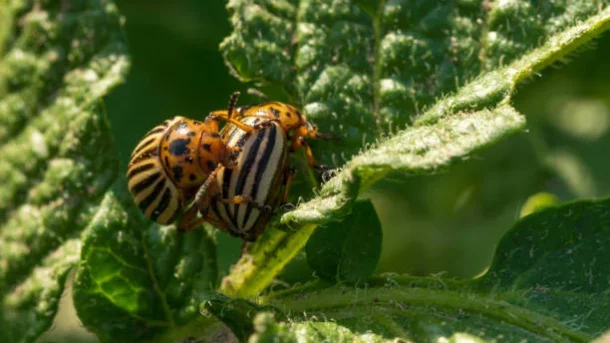
Predation: Aphids, mealybugs, mites, and tiny caterpillars are just a few of the pests that ladybugs and lacewings eat voraciously. They actively seek out these pests and eat them, which aids in lowering their numbers. A single ladybug can eat dozens of aphids every day due to their specific fondness for them.
Effective feeding techniques: Lacewings and ladybugs have mouthparts that are designed specifically to penetrate and suck the bodily fluids of their victim. They are able to quickly shift from one nuisance to another, feasting on several people at once.
Life cycle and reproduction: Beneficial insects can reproduce quickly and have brief life periods. For instance, ladybugs and lacewings produce a large number of eggs that develop into predatory larvae that feed on pests. Ladybug and lacewing larvae are frequently even more ferocious predators than the adults. Due of their fast life cycles, beneficial insects are able to effectively respond to increases in pest populations.
Ladybugs and lacewings are generalist predators, which means they may eat a variety of pests. They may eat a variety of soft-bodied insects and their eggs and are not limited to any one kind of pest. They can thus control a variety of pest species and adjust to shifting pest dynamics in agricultural ecosystems because to their versatility.