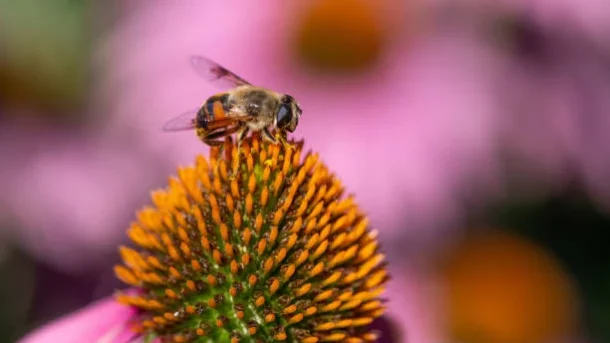
Pollen is transferred from the male reproductive organs (anthers) of flowers to the female reproductive organs (stigma) by pollinators such bees, butterflies, moths, flies, and beetles. The development of seeds and fruits depends on the pollen being transferred, which is necessary for fertilization. This pollination process is crucial for the abundant harvest of many crops.
Increased fruit set: Pollinators aid plants in producing more fruit. Flowers are more likely to successfully fertilize and produce fruit when they get pollen from sources that are compatible with each other. More flowers are effectively pollinated thanks to pollinators, increasing crop yields and yields of products.
Crop features and quality: Consistent fruit and seed development is a result of efficient pollination, which raises crop quality. Consistent size, shape, color, and flavor of fruits and vegetables are made possible by proper pollination. Their market worth, aesthetic appeal, and customer preference are all increased as a result.
Genetic variety: Pollinators help maintain agricultural genetic variation. Pollinators help to encourage cross-pollination, which enables the transfer of genetic material between various plants. Crops are better able to adapt to environmental changes, pests, and illnesses thanks to their genetic diversity.