climate

What are the challenges and opportunities in agricultural water management?

water management

Water Scarcity: Managing water use in agriculture is difficult due to water scarcity, which is caused by variables including population growth, climate change, and competition for water supplies. Particularly in arid and semi-arid areas, a lack of water can reduce agricultural productivity and increase farmers’ susceptibility.

Efficiency of Irrigation: Irrigation is a key component of many agricultural systems, and poor irrigation techniques can waste water and make it less available for other uses. Low irrigation efficiency and potential water scarcity are caused by subpar irrigation methods, old infrastructure, and inefficient water management.

Water Pollution: The runoff of fertilizers, pesticides, and animal waste into water bodies is one way that agricultural activities can contribute to water pollution. The quality of the water, aquatic ecosystems, and human health may all be negatively impacted by this.

Impacts of climate change include increased frequency of extreme weather events, altered hydrological cycles, and uncertainty and variability in rainfall patterns. These adjustments present difficulties for agricultural water management, necessitating adaptation tactics like better water storage, effective irrigation methods, and water saving practices.
How are farmers adopting climate-resilient crops and farming systems?

climate

Crop Diversification: By cultivating a range of crops with various levels of climatic adaptation, farmers are diversifying their crop portfolios. This strategy lessens the danger brought on by climatic variation and extreme weather occurrences. Farmers can increase their ability to adapt to changing climatic conditions and diversify their sources of revenue by growing a variety of crops.

Crop types that are particularly bred or chosen for their resistance to climatic stressors including drought, heat, floods, and pests are becoming more and more popular among farmers. Extreme temperature tolerance, better water use efficiency, disease resistance, and early maturity are just a few of the characteristics these types possess. Farmers can lessen the detrimental effects of climate change on food production by selecting crop types that are climate-resilient.

Conservation Agriculture: Techniques for conservation agriculture are becoming more and more popular, including no-till or reduced tillage, crop residue management, and cover crops. The resilience of farming systems to climate change is increased by these techniques, which help to improve soil health, water retention, and carbon sequestration. Additionally, conservation agriculture improves nutrient cycling, prevents soil erosion, and preserves moisture.

What are the trends in agricultural insurance and risk management?

risk management

To address the difficulties faced by farmers in the face of climate change, market fluctuations, and other risks, agricultural insurance and risk management have evolved. Here are some significant developments in agricultural risk management and insurance:

Index-based Insurance: In agricultural risk management, index-based insurance is becoming more and more common. Index-based insurance employs pre-defined indices, such as weather data or agricultural yields, to decide payouts rather than indemnifying losses based on individual farm-level evaluations. In the event of certain weather occurrences or crop failures, this method streamlines the claims procedure, lowers administrative expenses, and expedites farmer reimbursement.

agricultural insurance that uses measurable characteristics, such as temperature or rainfall thresholds, to determine when to pay out is known as parametric insurance. The rewards are predicated on the occurrence of a preset event or parameter breach rather than being directly related to specific losses. Farmers may more efficiently control risks thanks to parametric insurance, which provides prompt and transparent recompense.

Products for Crop-Specific Insurance: Traditional crop insurance usually covers the main food crops. A increasing tendency, meanwhile, is to create insurance solutions that are specialized to particular crops, like fruits, vegetables, and specialty crops. These specialized insurance policies take into account the distinct hazards connected to certain crops and offer coverage in line with their particular needs.

What is the Climate and soil requirements for increasing fruit yield in passion?

passion

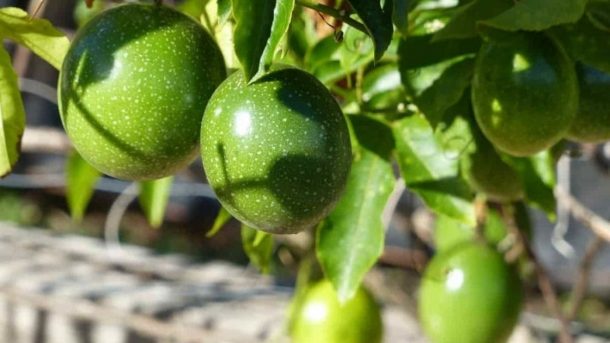
Yellow passion fruits are suitable for tropical regions, while purple passion fruits require sub tropical conditions. It grows to an altitude of 2100 meters and the rainfall is 1000 to 250 meters. The ideal temperature is 20 °C to 30°C to get the best yield. The cool temperatures in purple passion fruits are conducive to the onset of flowering and fruit set and the high temperature and quality required to promote juice production.

What is the Agro-Climatic conditions for Cauliflower Farming?

Climatic

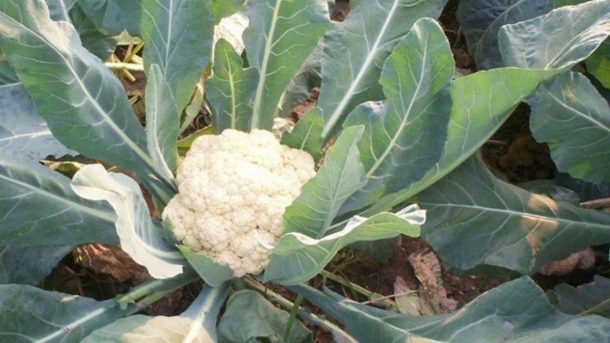
Proper climatic conditions are almost required depending on the variety of the cauliflower. Cauliflower grows well in a moist and cool climate. Cauliflower can sustain to low temperatures and for hot climatic conditions just like cabbage. Extreme dry conditions or low humidity are not suitable for Cauliflower cultivation. 10°C to 25°C is optimum temperature for good seed germination. High temperatures cause poor quality of curds. Lower temperatures may result in delays in maturity and undersized curd.

What is the Climatic Requirement for Growing Holy Basil?

Climatic

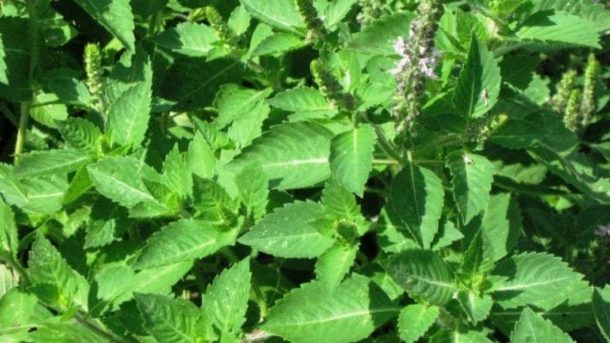
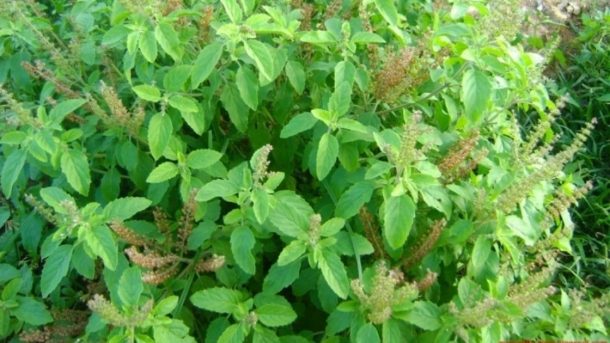
Holy basil plants prefer long day times with high temperatures and humid conditions for healthy plant growth and high yield of Tulsi essential oil. Tulsi can be cultivated both in tropical and sub-tropical climatic conditions. The Basil crop requires an average annual rainfall of 90 to 120 cm. Basil can be grown up to an altitude of 900 meters (mean sea level). Basil can tolerate drought and frost to a certain extent. Even Tulsi can be grown under partial shade conditions, but expect lower oil yields.

What is the climatic requirement for cherry fruit cultivation?

climatic

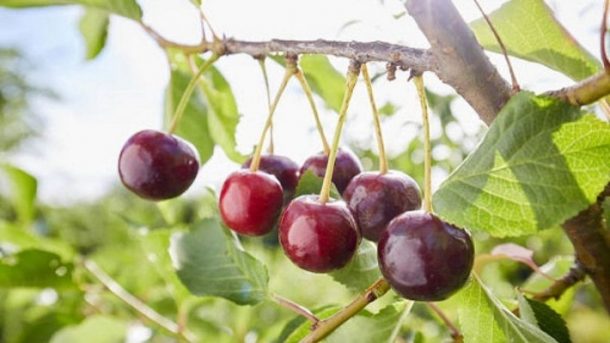
As we all know that cherry grows well in cold climatic conditions, it requires about 1200 hr to 1500 hr chilling period during winter season. Cherry fruits are grown successfully at the height of 2500 meters above sea level. In India, cherry commercial cultivation is carried in the states of Himachal Pradesh, Jammu and Kashmir and Uttar Pradesh sue to suitable climate. An annual rainfall of 100 to 125 cm is required for its growth. Spring frost should be avoided as the cherry blossom is sensitive to frost.

What is the climatic Requirement for Gerbera Flower Farming?

climatic

 Gerbera flowers can be grown in both tropical and subtropical climatic conditions. These flowers can be cultivated in open fields under tropical climatic conditions. As these flowers are sensitive to frost conditions, they are cultivated in greenhouse/shade net house under subtropical/temperate climatic conditions. Optimal day temperatures of 20°C-25°C and nightly temperature of 12°C-15°C is ideal for Gerbera cultivation.

What is the Temperature and Light Requirements for Tamarind Production?

Temperature

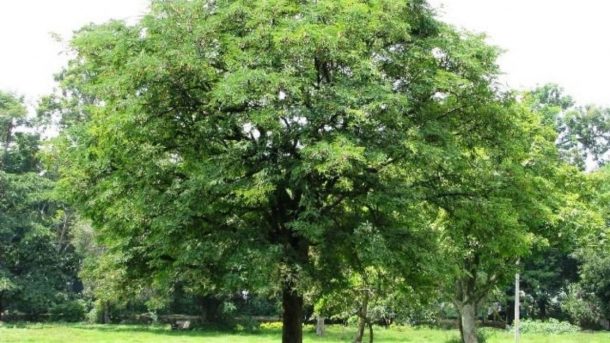
A tree of tropical climates, Tamarind succeeds under a maximum annual temperature ranging from 33 to 37°C to a minimum of 9.5 to 20°C. The trees are very sensitive to fire and frost and need protection when trees are small. When coming to the older trees, these are more resistant to extremes of temperature compared to young trees and can withstand temperatures as high as 47°C and as low as -3°C without serious injury. Tamarind is more cold-resistant than avocado, mango, and lychee.

Tamarind is a slow-growing and light demanding tree. These are frequently isolated from other vegetation and the ground is generally bare around the tree due in part to the dense shading by the canopy.