Advanced agriculture

What are the advantages of aeroponic systems?

systems

When compared to alternative growing techniques, aeroponic systems have a number of advantages that make them a desirable option in some situations. Some of the major benefits of aeroponic systems include the following:

Effective use of water: One of the most water-efficient growing techniques is aeroponics. Aeroponic systems distribute water directly to the plant roots in a highly targeted manner using a thin mist or spray. With this focused application, less water is wasted and water usage can be precisely managed. Aeroponics may conserve a lot of water as compared to hydroponics or conventional soil-based farming.

Maximum oxygen availability: Aeroponics suspends the roots in the air, which supplies them with a constant flow of oxygen. This encourages strong root growth and effective nutrient uptake.

Improved nutrient uptake: In aeroponics, the roots may acquire nutrients more quickly thanks to the misting or spraying of nutrient-rich water. Better interaction between the nutrient solution and the root surface is made possible by the small droplets penetrating the root zone. In comparison to other growing techniques, this makes it easier for nutrients to be absorbed quickly by plants. Aeroponic systems can therefore encourage quicker development and greater nutrient uptake effectiveness.

Disease risk is decreased thanks to aeroponic systems, which are more resistant to soil-borne infections and illnesses. Having no direct touch with soil or a growing media, the roots reduce the possibility of pathogen spread. Aeroponics’ intermittent misting or spraying of the nutrient solution also prevents pathogen growth and contributes to the development of an adverse environment.
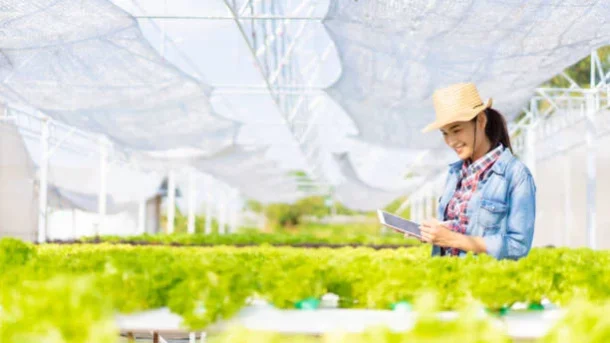
How does aeroponics differ from hydroponics?

aeroponics

Modern agriculture uses both soilless growth techniques, hydroponics and aeroponics, but they differ in how they supply water and nutrients to plants. The following are the primary distinctions between hydroponics and aeroponics:

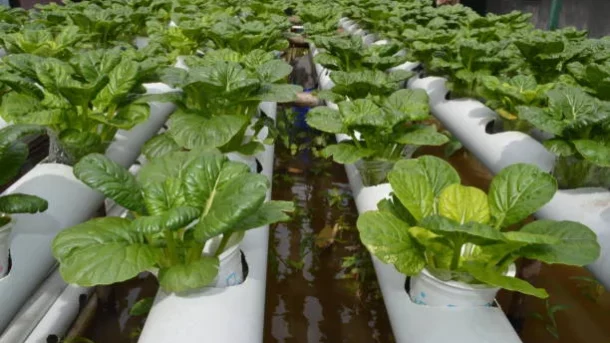
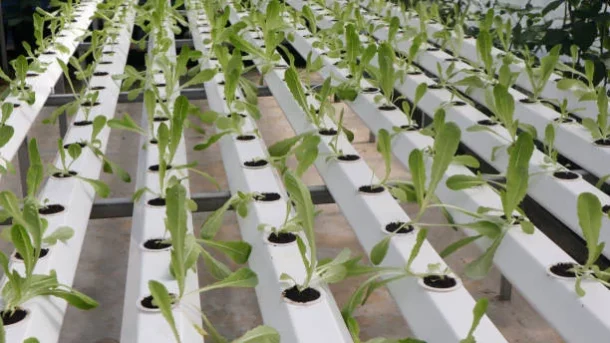
Water and fertilizer delivery: In hydroponics, plants are grown either directly in a nutrient-rich water solution or in a soilless media (such as perlite, coco coir, or rockwool). The nutrition solution is continuously submerged or partially submerged over the roots, supplying them with water and vital nutrients.

Plants are grown with aeroponics while having their roots floating in the air. Instead of being submerged in a nutrient solution, the roots are periodically sprayed or misted with nutrient-rich water using specialist misting or fogging devices. 

Air gaps in the growing media or an oxygenating system are two common ways that hydroponic systems deliver a steady flow of oxygen to the plant roots. The constant interaction of the roots with the nutrient solution in hydroponics, however, can reduce the amount of oxygen available.

The roots of aeroponic systems are very air-exposed. Due to the roots’ direct access to oxygen in the surrounding air, oxygen availability is maximized. In aeroponics, the nutrition solution is intermittently misted or sprayed, ensuring that the roots obtain water and nutrients while still having plenty of access to oxygen.

Environment and growth of the roots: In hydroponics, the roots are frequently formed and fully or partially submerged in the nutrient solution or growing media.

 What are the advantages of hydroponic farming?

farming

There are a number of benefits to hydroponic farming over conventional soil-based agriculture. The following are some major benefits of hydroponic farming:

Effective use of water: Compared to conventional soil-based agriculture, hydroponic systems significantly use less water because water is circulated inside the system. Because the water is fed directly to the plant roots, hydroponics can use up to 90% less water by reducing evaporation and runoff. Hydroponics’ regulated atmosphere also stops water from being wasted through overwatering or ineffective irrigation techniques.

Control of nutrients: In hydroponic farming, vital nutrients are dissolved in water and delivered right to the roots of the plants. This makes it possible to precisely manage the content, concentration, and pH levels of the nutrients, ensuring that plants get the right amount of nutrients for growth. 

Increased crop yields: Plants thrive under hydroponic systems’ perfect growing conditions. In comparison to conventional agriculture, plants can grow more quickly and create better yields with the proper ratio of nutrients, water, and sunshine. Hydroponics’ carefully regulated environment rids plants of soil-borne pathogens and pests, lowering crop losses and enabling them to grow to their full potential.

Hydroponic systems are created to make the most of available space. In contrast to conventional soil-based techniques, plants are grown vertically or closely together in these arrangements. Because of this, hydroponics is especially well suited for metropolitan settings or places where there is a shortage of available land. Hydroponics can grow more food with less space by stacking systems and utilizing vertical space.

How can drones be used for crop monitoring?

drones

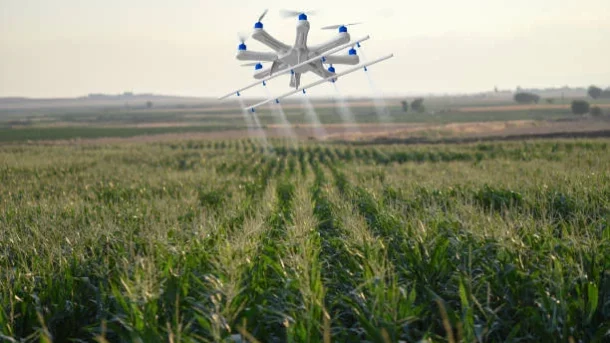
In crop monitoring, drones have proven to be an invaluable tool for giving farmers rapid access to accurate information about their farms. Drones are used in crop monitoring in the following ways:

Aerial imaging: Crop fields are captured in high-resolution by drones with cameras. By giving farmers a bird’s-eye view of the entire field, these photographs enable them to evaluate the health of their crops, spot anomalies, and spot patterns of variability. Crop stress, nutritional deficits, disease outbreaks, and insect infestations that may not be visible from the ground can be found via aerial imagery.

Vegetation indices: Drones can collect data to construct various vegetation indices, such as the Normalized Difference Vegetation Index (NDVI), by utilizing specialized cameras or sensors. These indexes offer numerical data on the health and vigor of plants. NDVI measurements show the density

Crop scouting: Drones with cameras or sensors can carry out focused reconnaissance missions to keep an eye on particular fields’ points of interest. A drone can be used to take precise pictures or thermal data, for instance, if a farmer fears a pest infestation in a particular area of the field. Drones can save farmers time and effort by promptly identifying agricultural problems and taking action.

Drones can be used to monitor agriculture fields for the first indications of disease or insect outbreaks. Drone can discover differences in plant health, find stress patterns, and locate infestation hotspots by taking high-resolution photos, thermal data, or multispectral data. This enables farmers to undertake timely pest control measures.

How does vertical farming conserve water compared to traditional agriculture?

How does vertical farming

Reduced evaporation of irrigation water: In conventional agriculture, irrigation water is applied to the soil’s surface, where it is evaporated. Before the plants can absorb the water, this might result in severe water losses. Soilless growth methods like hydroponics and aeroponics are frequently employed in vertical farming. Direct water delivery to plant roots, reduction of evaporation losses, and efficient plant water uptake are all components of these techniques.

Water recirculation: Closed-loop irrigation systems, in which water is recycled inside the system, are frequently utilized in vertical farming systems. The plants receive nutrient-rich water, and any extra that is not absorbed by the roots is collected, filtered, and returned to the plants. When compared to conventional agriculture, this recirculating technology considerably reduces water use.

Watering that is exact and targeted: Water delivery can be managed with precision in vertical farming. Water can be applied in exact amounts and at specified times based on plant needs by employing sensors and automated systems. This method of targeted watering guarantees that plants get the ideal quantity of moisture needed for growth while minimizing water wastage.

Water-efficient growing mediums: Soilless growing mediums like rockwool, coco coir, or perlite are frequently used in vertical farming. These growing media offer high drainage capabilities and water-holding capacity, enabling for effective water use. They prevent waterlogging and provide a sufficient supply of oxygen to the roots by retaining moisture around the roots while also allowing excess water to flow.

What is vertical farming?

What is vertical farming

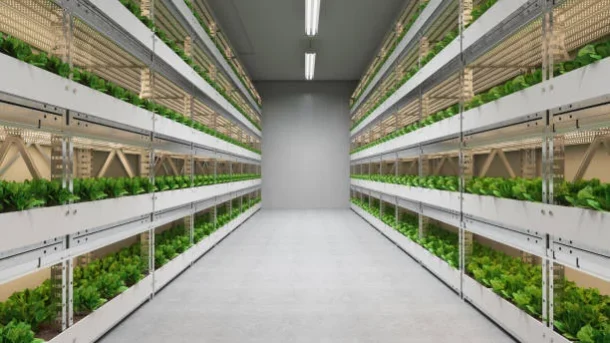
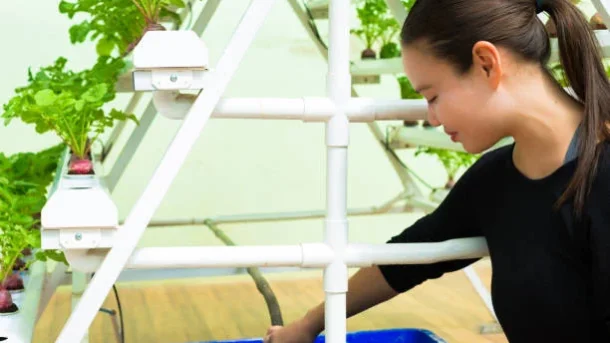
Vertical farming is a technique for growing plants in vertically stacked layers or structures, usually inside in places like warehouses, skyscrapers, or facilities made specifically for vertical farming. It entails using soilless growing media, artificial lighting, climate control, and other controlled environment agriculture (CEA) techniques to provide the best possible growing conditions for plants.

The following are some essential qualities and traits of vertical farming:

To make the most of the vertical space available, plants are cultivated in numerous stacked layers, frequently on shelves or racks. Compared to conventional horizontal farming techniques, this enables a substantially higher crop density.

Indoor farming: Vertical farming systems are frequently installed in climate-controlled indoor spaces that offer total control over variables like temperature, humidity, light intensity, and photoperiod. 

Artificial lighting systems, including light-emitting diodes (LEDs), are used in vertical farms to supply the appropriate light spectrum and intensity for photosynthesis because natural sunlight may be scarce in enclosed spaces. These lighting setups can be adjusted to a crop’s individual needs, encouraging optimum growth and development.

Hydroponics or aeroponics: Soilless growth methods like hydroponics or aeroponics are frequently used in vertical farming. While aeroponics involves suspending plant roots in the air and regularly spraying them with a nutrient solution, hydroponics includes growing plants in a nutrient-rich water solution. These techniques allow for accurate fertilizer delivery to the plants while also maximizing resource utilization and water efficiency.

 What are the key technologies used in precision agriculture?

precision

A variety of technologies are used in precision agriculture to collect information, make defensible judgments, and implement site-specific management techniques. Here are some crucial technologies that are frequently applied in precision agriculture:

Global Positioning System (GPS): GPS technology enables precise and accurate location tracking, allowing farmers to pinpoint the specific coordinates of their machinery, sensors, and crop monitoring equipment. GPS enables accurate mapping and geolocation data, which forms the basis for many precision agriculture applications.

Geographic Information System (GIS): GIS technology combines other agricultural data with spatial data, such as soil mapping, topography, and field borders. It enables site-specific decision-making and precision management techniques by enabling farmers to visualize, analyze, and manage data in a spatial context.

Using sensors on satellites, drones, or aircraft, remote sensing involves gathering information about crops and fields. Remote sensing techniques including thermal imaging, multispectral and hyperspectral imaging, and Light Detection and Ranging (LiDAR) can gather useful data on a variety of factors, including crop health, biomass, water stress, and nutrient content. Making targeted management decisions and spotting crop variability are both made easier by this data.

Drones, also known as unmanned aerial vehicles (UAVs) or drones, are being employed in precision agriculture more and more often. They can gather information on crop health, plant population, and other characteristics as well as high-resolution aerial photography. Monitoring crops, spotting anomalies, and evaluating field conditions may all be done effectively and economically with drones.

How does precision agriculture help increase crop yields?

agriculture

Site-specific management: Precision agriculture collects comprehensive data about particular fields using technology like GPS, sensors, and remote sensing. These details cover crop health, soil properties, moisture content, and nutrient levels. Farmers may apply inputs (such water, fertilizer, and pesticides) precisely where and when they are required, maximizing their use and reducing waste, with the help of this data. Farmers may ensure that crops grow in the best conditions possible, increasing yields, by adjusting inputs to the unique needs of various places within a field.

Application at a variable rate: Farmers using precision agriculture can alter the pace of inputs in different parts of their fields in response to variations in the soil and crop conditions. Instead of evenly dosing insecticides or fertilizers over.

Remote sensing and images: Cutting-edge tools like drones and satellite imagery give farmers up-to-the-minute details on the health, growth, and stress levels of their crops. Farmers can identify early indications of crop illnesses, nutrient deficits, or water stress by studying this data. Farmers can take immediate action to solve these problems, reducing yield losses and maximizing crop productivity, with fast intervention and focused management strategies.

Systems for making decisions: Precision agriculture uses sophisticated systems for making decisions that combine information from many sources, including crop models, soil moisture sensors, and weather forecasts. These systems give farmers useful information and suggestions so they may choose wisely when it comes to planning irrigation schedules, managing nutrients, controlling pests, and planting techniques. Farmers may improve their methods and reduce risks by depending on data-driven decision-making, ultimately.

What is the main objective of the National Mission on Sustainable Livelihoods (NMSL)?

Livelihoods

It’s crucial to remember that several government initiatives, missions, and programs are frequently launched and revised to address the demands and difficulties associated with sustainable livelihoods. These programs frequently work to improve people’s quality of life through encouraging entrepreneurship, skill development, income production, and social welfare.

Referring to official government sources, pertinent ministries, or local development organizations would be advised in order to get the most latest information on any specific effort connected to sustainable livelihoods.

Which government program focuses on promoting the use of solar pumps for irrigation?

solar pumps for irrigation

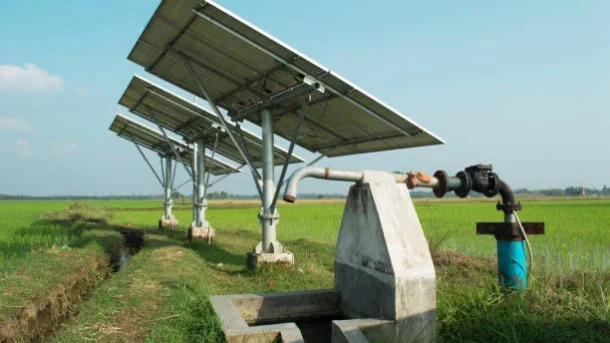
The “Pradhan Mantri Kisan Urja Suraksha evam Utthaan Mahabhiyan” (PM-KUSUM) project is one government initiative that promotes the use of solar pumps for irrigation in India. A government program called the Pradhan Mantri Kisan Urja Suraksha evam Utthaan Mahabhiyan is carried out by the Indian Ministry of New and Renewable Energy.

The PM-KUSUM scheme’s primary goals and measures typically consist of:

Promotion of Solar Pumps: By giving farmers financial assistance, the program hopes to encourage the use of solar pumps for irrigation. It promotes the setting up of solar pump manufacturing facilities, the installation of independent solar pumps, and the solarization of current grid-connected agricultural pumps.

Financial Support: Farmers that want to install solar pumps can do so with the help of the PM-KUSUM program. It comprises financial aid or capital cost assistance to lower the initial outlay needed to buy and install solar pumps. Farmers now have more economical and convenient access to solar pumps as a result.

Replacement of Diesel Pumps: The program’s goal is to switch out diesel pumps for solar ones in order to lessen reliance on fossil fuels and support renewable energy sources. It aids in lowering carbon emissions and the negative effects of diesel-powered irrigation on the environment.

Solar pumps that are connected to the grid: The PM-KUSUM plan also encourages solarizing current grid-connected farm pumps. It encourages farmers to put up solar panels on their farmland so that they can use solar energy to run their irrigation pumps. Farmers can gain income by selling extra electricity that isn’t used by selling it back to the grid.