Site-specific management: Precision agriculture collects comprehensive data about particular fields using technology like GPS, sensors, and remote sensing. These details cover crop health, soil properties, moisture content, and nutrient levels. Farmers may apply inputs (such water, fertilizer, and pesticides) precisely where and when they are required, maximizing their use and reducing waste, with the help of this data. Farmers may ensure that crops grow in the best conditions possible, increasing yields, by adjusting inputs to the unique needs of various places within a field.
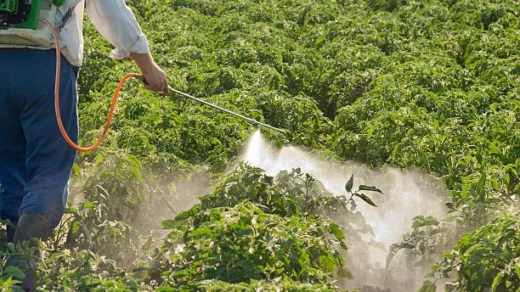
Application at a variable rate: Farmers using precision agriculture can alter the pace of inputs in different parts of their fields in response to variations in the soil and crop conditions. Instead of evenly dosing insecticides or fertilizers over.
Remote sensing and images: Cutting-edge tools like drones and satellite imagery give farmers up-to-the-minute details on the health, growth, and stress levels of their crops. Farmers can identify early indications of crop illnesses, nutrient deficits, or water stress by studying this data. Farmers can take immediate action to solve these problems, reducing yield losses and maximizing crop productivity, with fast intervention and focused management strategies.
Systems for making decisions: Precision agriculture uses sophisticated systems for making decisions that combine information from many sources, including crop models, soil moisture sensors, and weather forecasts. These systems give farmers useful information and suggestions so they may choose wisely when it comes to planning irrigation schedules, managing nutrients, controlling pests, and planting techniques. Farmers may improve their methods and reduce risks by depending on data-driven decision-making, ultimately.