Modern agriculture uses both soilless growth techniques, hydroponics and aeroponics, but they differ in how they supply water and nutrients to plants. The following are the primary distinctions between hydroponics and aeroponics:
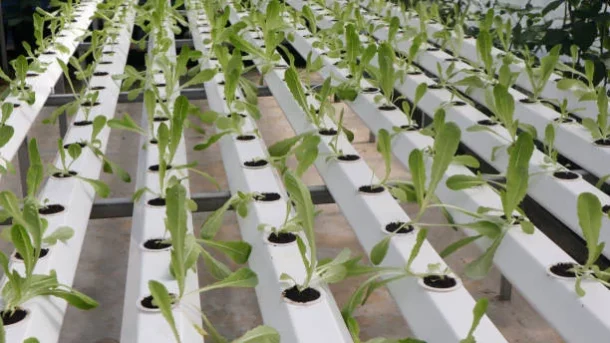
Water and fertilizer delivery: In hydroponics, plants are grown either directly in a nutrient-rich water solution or in a soilless media (such as perlite, coco coir, or rockwool). The nutrition solution is continuously submerged or partially submerged over the roots, supplying them with water and vital nutrients.
Plants are grown with aeroponics while having their roots floating in the air. Instead of being submerged in a nutrient solution, the roots are periodically sprayed or misted with nutrient-rich water using specialist misting or fogging devices.
Air gaps in the growing media or an oxygenating system are two common ways that hydroponic systems deliver a steady flow of oxygen to the plant roots. The constant interaction of the roots with the nutrient solution in hydroponics, however, can reduce the amount of oxygen available.
The roots of aeroponic systems are very air-exposed. Due to the roots’ direct access to oxygen in the surrounding air, oxygen availability is maximized. In aeroponics, the nutrition solution is intermittently misted or sprayed, ensuring that the roots obtain water and nutrients while still having plenty of access to oxygen.
Environment and growth of the roots: In hydroponics, the roots are frequently formed and fully or partially submerged in the nutrient solution or growing media.