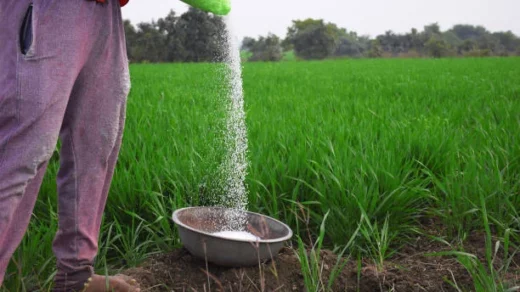
Utilize reputed producers’ high-grade biofertilizer products to ensure quality. Make sure the bio-fertilizer products have undergone testing, certification, and are labeled with precise usage instructions.
Storage and Handling: As directed by the manufacturer, store biofertilizers in a cold, dry environment. To keep the beneficial bacteria alive, use the right handling techniques.
Avoid Excessive Heat: The viability of the helpful microorganisms in bio-fertilizer might be harmed by excessive heat. When storing or applying biofertilizers, avoid subjecting them to intense sunshine or high temperatures.
Consider the compatibility of biofertilizers with additional inputs including soil amendments, herbicides, and chemical fertilizers. The performance of biofertilizers may be hampered by some inputs, while the opposite may be true.
Application Timing: For optimum performance, apply biofertilizers at the suggested time. early implementation,especially during early plant growth stages, can improve root colonization and nutrient uptake.
Avoid Contaminated Water: When making biofertilizer solutions for application, use pure, uncontaminated water. Water contamination can introduce hazardous microorganisms and lessen the effectiveness of biofertilizers.
Avoid Applying Chemical Fertilizers or Pesticides Closely to Biofertilizers: Some chemicals may limit the action of helpful microorganisms, so avoid applying chemical fertilizers or pesticides in close vicinity to biofertilizers.
Follow Recommended Dosages: Follow the manufacturer’s advised application rates and dosages. Overusing biofertilizers can be inefficient and may not produce better outcomes.