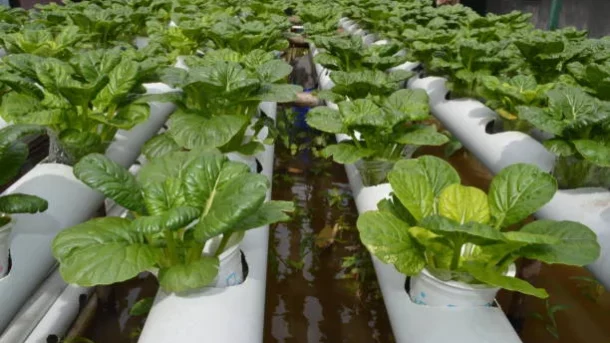
Reduced evaporation of irrigation water: In conventional agriculture, irrigation water is applied to the soil’s surface, where it is evaporated. Before the plants can absorb the water, this might result in severe water losses. Soilless growth methods like hydroponics and aeroponics are frequently employed in vertical farming. Direct water delivery to plant roots, reduction of evaporation losses, and efficient plant water uptake are all components of these techniques.
Water recirculation: Closed-loop irrigation systems, in which water is recycled inside the system, are frequently utilized in vertical farming systems. The plants receive nutrient-rich water, and any extra that is not absorbed by the roots is collected, filtered, and returned to the plants. When compared to conventional agriculture, this recirculating technology considerably reduces water use.
Watering that is exact and targeted: Water delivery can be managed with precision in vertical farming. Water can be applied in exact amounts and at specified times based on plant needs by employing sensors and automated systems. This method of targeted watering guarantees that plants get the ideal quantity of moisture needed for growth while minimizing water wastage.
Water-efficient growing mediums: Soilless growing mediums like rockwool, coco coir, or perlite are frequently used in vertical farming. These growing media offer high drainage capabilities and water-holding capacity, enabling for effective water use. They prevent waterlogging and provide a sufficient supply of oxygen to the roots by retaining moisture around the roots while also allowing excess water to flow.