POSTEDITOR OFFICE

What are the problems caused by unsustainable agricultural practices, such as monocropping?

monocropping

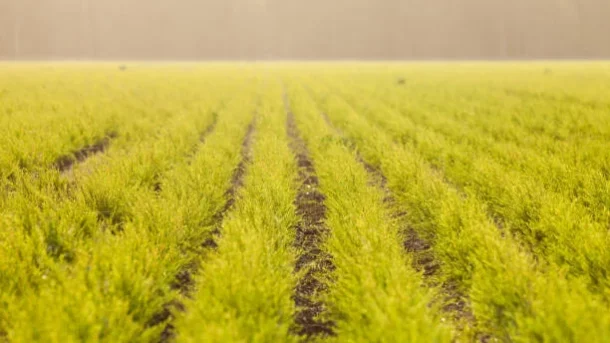
Monocropping, which involves cultivating the same crop repeatedly, causes the soil to become depleted of certain nutrients and subject to erosion. This eventually results in decreased soil fertility, decreased organic matter levels, and deterioration of soil structure.

Increased Dependence on Chemical Inputs: To sustain crop yields, monocropping frequently makes heavy use of chemical pesticides and fertilizers. It may be necessary to apply chemical inputs while cultivating a single crop continuously since it can foster the growth of pests and illnesses. This may contribute to pesticide resistance growth and environmental contamination.

Loss of Biodiversity: Because monocropping systems often have fewer plant species, there are less habitats and food sources available to birds, beneficial insects, and other organisms. By upsetting the ecological balance, decreasing the effectiveness of natural pest management, and endangering pollinators, this loss of biodiversity makes plants less resilient and more susceptible to insect outbreaks.

Monocrop fields are more vulnerable to erosion because they lack a variety of plant species and their root systems. The risk of soil erosion by wind and water, which can cause the loss of fertile topsoil and sedimentation in water bodies, is increased by the absence of ground cover.
How does the use of pesticides and chemical fertilizers pose environmental and health concerns?

pesticides

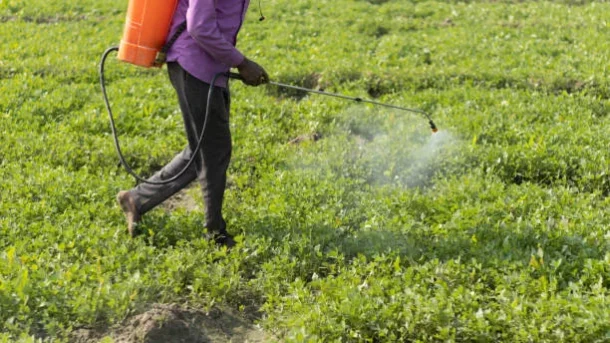
Pesticides and chemical fertilizers may discharge into surface water bodies or leach into groundwater, contaminating the water. Fish, amphibians, and other aquatic species may suffer as a result of this contamination.

Using chemical fertilizers excessively can cause soil deterioration and nutritional imbalances. These fertilizers may enter neighboring water bodies through runoff from nearby farmland, leading to eutrophication and upsetting aquatic ecosystems.

Loss of biodiversity and non-target species: Pesticides may unintentionally affect non-target species such beneficial insects, birds, and pollinators. This can cause natural equilibrium to be upset and biodiversity to disappear.

Pesticide Resistance: Using pesticide frequently can cause bugs to become resistant to them. This calls for the use of more potent or other pesticides, starting a cycle of rising chemical usage and potential environmental damage.

What are the challenges associated with soil erosion and degradation in the agricultural sector?

soil erosion

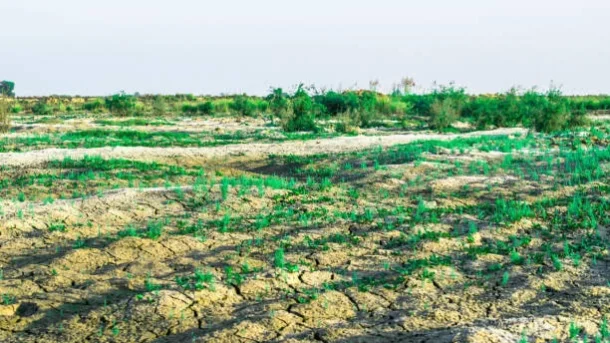
The nutrient-rich topsoil layer, which is essential for plant growth, is lost due to soil erosion. The reduction in soil fertility caused by topsoil loss lowers crop output and increases reliance on synthetic fertilizers.

Reduced Water Infiltration and Water Holding Capacity: The capacity of eroded soils to absorb and hold water is reduced. Reduced soil moisture availability for plant uptake, increased surface runoff, and decreased water infiltration are the results of this. It may cause crops to run out of water and intensify the effects of drought.

Reduced Soil Organic Matter: The organic material in the topsoil is frequently removed by erosive processes, despite the fact that this material is crucial for soil structure, nitrogen cycling, and water-holding capacity. Low quantities of organic matter lead to unfavorable soil properties, decreased soil fertility and increased erosion susceptibility.

Decline in Soil Structure and Aggregation: Erosion ruins soil aggregates and disturbs soil structure. This has a negative effect on plant growth because it affects soil porosity, hinders root infiltration, and restricts air and water circulation.

What are the key issues related to water scarcity in agriculture?

water scarcity

Lack of Water Supply: When there is not enough water available to meet the needs of crops, livestock, and other agricultural operations, water scarcity in agriculture develops. Natural reasons like little rainfall, scarce water supplies, or conflicting water needs from other industries may be to blame for this.

Irrigation challenges: In many locations, irrigation is essential for agriculture, yet water scarcity can restrict the supply of irrigation water. Reduced agricultural yields, stunted development, and even crop failure can occur as a result of insufficient water for irrigation. It may be difficult for farmers to supply their crops with the water they need.

Increasing Competition for Water Resources: For the limited water resources available, agriculture competes with other industries, metropolitan regions, and ecosystems. Water scarcity in agricultural regions can be made worse by rapid urban and industrial expansion, which reduces the amount of water available for farming.

Ineffective Water Management: Water scarcity problems may be made worse by ineffective water management techniques, such as out-of-date irrigation systems, excessive irrigation, and inadequate water delivery networks. Excessive evaporation, water losses, and improper irrigation of crops can all result from inefficient water use.

How is climate change affecting agricultural productivity and food security?

change

Weather Patterns: As a result of changing weather patterns brought on by climate change, extreme weather phenomena including droughts, floods, heat waves, and storms are occurring more frequently and with greater severity. These occurrences have the potential to harm crops, interfere with farming activities, and lower agricultural output.

Growing Season Changes: Variations in the time and length of the growing season can result from changing climatic circumstances. This can cause scheduling issues for planting and harvesting, have an impact on crop yields, and lower agricultural output overall.

Water Availability and Irrigation: Climate change has an impact on water availability, especially in areas where agriculture depends on rainfall. Water scarcity can alter irrigation methods and crop output due to changes in precipitation patterns and higher evaporation rates.

Crop Performance and Adaptation: Crop performance can be impacted by changing rainfall patterns and rising temperatures. A crop’s susceptibility to heat stress, a lack of available water, or increased insect and disease pressures may vary. Produce of inferior quality and lower yields may result from this.

What are the major challenges faced by small-scale farmers in the agriculture sector?

small-scale farmers

Limited Access: Small-scale farmers frequently lack access to crucial resources including land, water, and money. They are unable to expand their farming operations or make investments in cutting-edge agricultural products and technologies because they lack access to loans and secure land tenure.

Climate Change and Environmental Risks: Small-scale farmers are especially susceptible to the effects of climate change, which might include unexpected weather patterns, droughts, floods, and outbreaks of pests and diseases. Crop failure, animal losses, and decreased agricultural production can result from these environmental threats.

Lack of Technological Advancements: Access to cutting-edge agricultural technologies, machinery, and equipment is frequently limited for small-scale farmer. Their inability to embrace innovative approaches is hampered by a lack of information and training on better farming practices, which lowers their production and competitiveness.

Market Access and Price Volatility: Small-scale farmers frequently encounter difficulties finding dependable markets and promoting their products. They are more vulnerable to pricing volatility, unfair trading practices, and market swings due to their weaker negotiating position and lack of market knowledge, which lowers their revenues and profitability.

What are the advancements in agricultural waste management and circular economy practices?

agricultural waste

Anaerobic digestion is a technique that can turn agricultural waste into sustainable energy sources, including crop residues, animal manure, and byproducts of the food processing industry. This waste is utilized in biogas facilities to create biogas, which can be used to generate power, heat homes, or as a biofuel for automobiles. Anaerobic digestion produces digestate, an organic fertilizer that is nutrient-rich.

Composting and the creation of organic fertilizers: Composting is a method that is frequently used to manage agricultural waste. Organic wastes including agricultural residues, plant trimmings, and animal manure are transformed into nutrient-rich compost through controlled decomposition. The use of this compost as a soil amendment will enhance soil structure and fertility while decreasing the demand for artificial fertilizers.

Recovery and Recycling of Nutrients: Recovery and recycling of nutrients from agricultural waste is made possible by nutrient recovery technologies, such as nutrient extraction and nutrient capture from waste streams. These recovered nutrients can be utilized on farms to lessen dependency on synthetic fertilizers or converted into commercial fertilizers. This strategy lessens nutrient discharge and closes nutrient cycles, reducing water pollution.

Crop stalks, husks, and pruning’s are examples of agricultural wastes that can be used for the generation of biomass and bioenergy. Biomass can be burned directly to provide heat and power or processed into biofuels like ethanol and biodiesel. Farmers may decrease waste, balance their use of fossil fuels, and contribute to a more sustainable energy sector by using agricultural wastes to produce bioenergy.

How are farmers adopting agroecological practices for biodiversity conservation?

biodiversity

Crop Diversity: By adding a greater diversity of crop species, types, and landraces, farmers are enhancing biodiversity in their cropping systems. This lowers the possibility of pest and disease outbreaks, promotes a diversity of pollinators and helpful insects, and aids in the creation of various habitats. Crop variety also improves the health of the soil, the cycling of nutrients, and the demand for outside inputs.

Agroforestry: Agroforestry is the practice of combining trees or shrubs with animals or crops on the same piece of land. Farmers can create more habitats, enhance biodiversity, and improve microclimate conditions by adding trees into their agricultural landscapes. Agroforestry systems also help to produce a variety of goods, including lumber, fruits, and feed, which benefits farmers financially.

Conservation of Habitat: Farmers are designating areas on their properties for the preservation of habitat. Field margins, buffer zones, hedgerows, and fallow fields are a few examples of these places. These ecosystems provide as a haven for helpful animals including birds, insects, and other wildlife, which promotes biodiversity and helps with natural pest management. Some farmers also build wetlands or ponds on their properties, which are crucial breeding grounds for amphibians and aquatic life.

Natural Pest Control: Agroecological approaches put a lot of emphasis on encouraging beneficial insects, birds, and other naturally occurring pest enemies in order to promote natural pest control mechanisms. Farmers can entice beneficial organisms by offering nesting places, food sources, and shelters. As a result, the agroecosystem’s ecological balance is supported and the use of chemical pesticides is decreased.

What are the efforts to promote sustainable pest and disease control in agriculture?

IPM, or integrated pest management, is a method that effectively manages pests and illnesses while using less pesticides than other pest control techniques. It holistically combines biological, cultural, physical, and chemical control techniques. IPM places a strong emphasis on prevention, monitoring, and threshold-based decision-making with the goal of bringing pest populations down to levels that are both environmentally responsible and economically viable.

Biological control: Biological control refers to the management of pest populations through the use of natural enemies including beneficial insects, predatory mites, and microbiological agents. This strategy promotes the preservation and improvement of pests’ natural adversaries and their habitats. The release of advantageous organisms, the modification of habitats, and the application of microbial biopesticides are examples of biological control techniques. A further benefit of fostering biodiversity in agricultural areas is

Cultural and agronomic methods: By making conditions undesirable for pests or boosting crop resistance, cultural and agronomic practices can help prevent pest and disease outbreaks. Crop rotation, intercropping, the use of resistant cultivars, maintaining optimum plant nutrition, maximizing irrigation and water management, and choosing the right planting densities are some of these methods. These procedures help to control pests and diseases by enhancing plant health and developing diversified agroecosystems.

Plant breeding is essential for creating crop varieties with innate resistance to diseases and pests. Resistant Varieties and Breeding Programs. Breeding initiatives concentrate on locating and incorporating resistance-related genetic characteristics into commercial cultivars. Farmers can lessen the requirement for chemical pesticides and the danger of crop losses from pests and illnesses by utilizing resistant types. Efforts

How is the use of remote sensing and GIS being applied in crop monitoring and management?

sensing

Crop Health Assessment: The health and vigor of a crop can be evaluated using remote sensing techniques like satellite imaging and aerial surveys. Farmers and agronomists can spot fields that might be under stress, have nutrient deficits, or have pest and disease outbreaks by examining vegetation indices obtained from satellite data, such as the Normalized Difference Vegetation Index (NDVI). Targeted actions like modifying irrigation, providing fertilizer, or putting in place pest control measures are made easier with the aid of this information.

Crop yield estimation and forecasting are made possible by the combination of remote sensing data with crop modeling methods. Farmers and decision-makers can forecast crop output potential by continuously observing variables including vegetation growth, canopy density, and chlorophyll content. This knowledge aids in

Remote sensing is extremely important in the assessment and management of water resources for agricultural use. Remote sensing aids farmers in streamlining irrigation schedules and increasing water use effectiveness by tracking soil moisture content, evapotranspiration rates, and indicators of water stress, such as the Water Stress Index (WSI). It makes it possible to undertake precision agriculture, ensuring that crops have access to water while reducing waste.