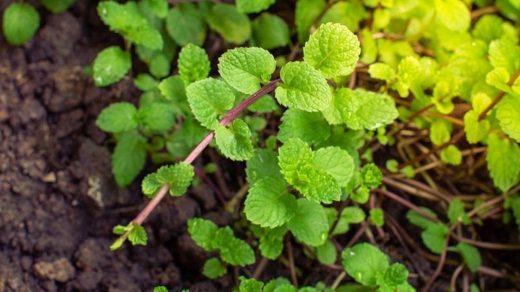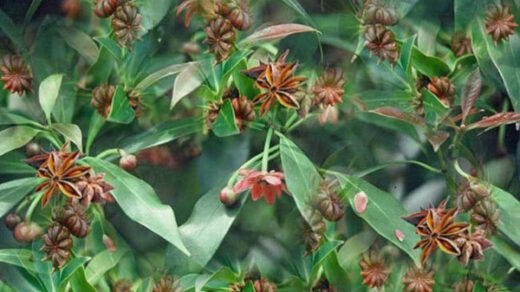
Crop Diversity: By adding a greater diversity of crop species, types, and landraces, farmers are enhancing biodiversity in their cropping systems. This lowers the possibility of pest and disease outbreaks, promotes a diversity of pollinators and helpful insects, and aids in the creation of various habitats. Crop variety also improves the health of the soil, the cycling of nutrients, and the demand for outside inputs.
Agroforestry: Agroforestry is the practice of combining trees or shrubs with animals or crops on the same piece of land. Farmers can create more habitats, enhance biodiversity, and improve microclimate conditions by adding trees into their agricultural landscapes. Agroforestry systems also help to produce a variety of goods, including lumber, fruits, and feed, which benefits farmers financially.
Conservation of Habitat: Farmers are designating areas on their properties for the preservation of habitat. Field margins, buffer zones, hedgerows, and fallow fields are a few examples of these places. These ecosystems provide as a haven for helpful animals including birds, insects, and other wildlife, which promotes biodiversity and helps with natural pest management. Some farmers also build wetlands or ponds on their properties, which are crucial breeding grounds for amphibians and aquatic life.
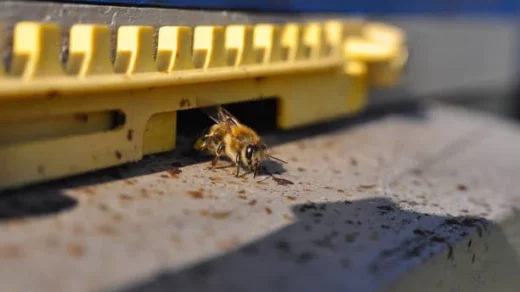
Natural Pest Control: Agroecological approaches put a lot of emphasis on encouraging beneficial insects, birds, and other naturally occurring pest enemies in order to promote natural pest control mechanisms. Farmers can entice beneficial organisms by offering nesting places, food sources, and shelters. As a result, the agroecosystem’s ecological balance is supported and the use of chemical pesticides is decreased.