POSTEDITOR OFFICE

How does the volatility of weather patterns and extreme weather events pose challenges to farmers?

extreme

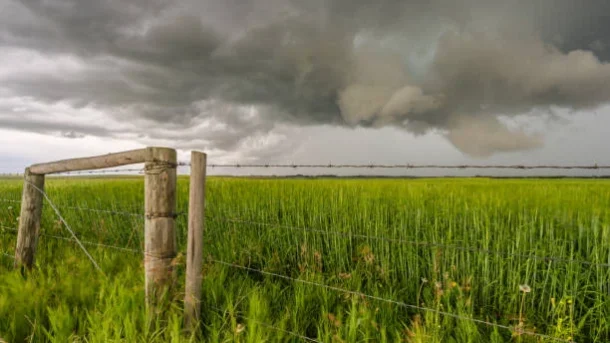
Crop Yield and Quality: Unpredictable weather patterns, such as erratic precipitation, droughts, floods, heat waves, and severe storms, can directly affect crop yield and quality. Rainfall that is too little or too much can cause water stress or waterlogging, which can have an impact on plant development and productivity. Extreme temperatures have the potential to harm crop development and lower yields. Additionally, such variations may affect the nutritive value and market price of crops.

Crop Selection and Timing: Farmers find it difficult to choose appropriate crop kinds and arrange their planting schedules due to unpredictable weather patterns. For maximum productivity and climatic compatibility, crop scheduling and selection are essential. Weather pattern changes can interfere with conventional farming methods, resulting in the selection of less-than-ideal crops and lower yields.

Outbreaks of pests and diseases: Extreme weather conditions and climate change can have an impact on the occurrence and range of invasive species, diseases, and pests. Warmer temperatures, more humidity, and irregular rainfall patterns might encourage the growth of pests and illnesses. This could affect output and profitability by causing pest outbreaks, crop damage, and a greater reliance on pesticides.

Water management: Modifying weather patterns have an impact on the management of and access to water for agriculture. Water shortages and droughts can diminish crop water availability and restrict irrigation alternatives. On the other hand, heavy rains can cause runoff, waterlogging, and soil erosion, which can be detrimental to the health of the soil and crop growth.
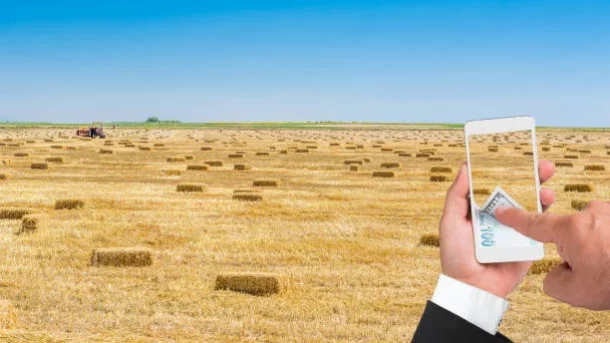
What are the challenges faced by farmers in accessing and utilizing agricultural technologies?

technologies

Affordability: Many farmers, especially small-scale farmers with limited financial resources, may find agricultural technologies, especially advanced ones, to be expensive. It may be difficult for farmers to acquire and implement new technology because the initial cost of acquisition, together with continuing maintenance and operational costs, may exceed their budget.

Farmers may not be well-informed about the agricultural technology that are available and their potential advantages. They might not be knowledgeable about the most recent advancements, their capabilities, or how they can solve particular farming problems. Farmers may have difficulty understanding and using new technologies if they have limited access to information and extension services.

Technical Skills and Knowledge: For operation, maintenance, and troubleshooting, many agricultural technologies call for particular technical skills and knowledge. Farmers might not have the technical expertise needed to use the technology properly or they could need training and capacity-building initiatives to fully comprehend its operations and make the best use of it.

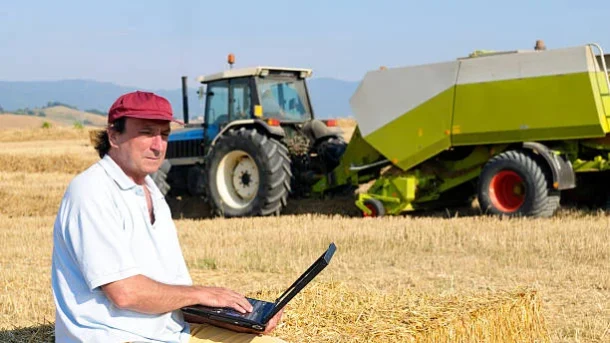
Agriculture technologies frequently depend on reliable infrastructure and connection, such as availability to electricity, internet connectivity, and appropriate communication networks. Farmers may have trouble utilizing technology to its full capacity in remote or rural places where such infrastructure is inadequate or unreliable.

How does the limited availability of credit and financial services affect farmers’ ability to invest in their operations?

invest

Lack of Investment Capital: Farmers must have access to loans in order to make necessary improvements to their enterprises. Purchases of top-notch seeds, fertilizers, insecticides, and cutting-edge agricultural technology and equipment may be included in these invest. Without enough money, farmers could be unable to implement new techniques or modernize their methods, which would result in poorer production and output.

Limited Expansion and Diversification: A lack of credit may prevent farmers from diversifying their livestock and crops or growing their agricultural enterprises. Increased income potential and economies of scale might result from expanding enterprises. Farmers who diversify their operations can better manage risk and capitalize on changing market demands. However, without finance, farmers could only be able to plant low-value crops or be forced to practice subsistence farming.

Climate Resilience: Agriculture now faces greater uncertainty due to climate change. In order to implement climate-resilient measures like irrigation systems, rainwater gathering, and drought-resistant crop varieties, farmers need financial resources. Their capacity to adjust to changing climatic conditions and lessen the effects of catastrophic weather events may be hampered by a lack of credit.

Limited Technology Adoption: Farmers must have access to funding in order to invest in cutting-edge agricultural innovations and technology. This covers remote sensing technology, data-driven decision-making systems, and precision agricultural equipment. These innovations can increase production, consume fewer resources, and reduce waste in agriculture. However, farmers might not be able to buy these technology without financial assistance.

What are the problems associated with pests, diseases, and invasive species in agriculture?

pests

Crop Losses: By directly consuming plants, wreaking havoc on plant tissues, and weakening plants, pests, diseases, and invasive species can result in significant crop losses. They may lower crop production and quality, which would cost farmers money.

Reduced yield: Pest, disease, or invasive species infestations can have a significant negative influence on agricultural yield. They can impede photosynthesis, nutrient uptake, and plant growth, leading to stunted plants, subpar growth, and decreased output as a whole.

Pests, illnesses, and invasive species in agriculture can all have a substantial impact on the economy. To lessen the effects, farmers might need to spend a lot of money on pesticides, treatments, or control measures. Additionally, phytosanitary rules that restrict trade of infected commodities might reduce market access and result in losses of money.

Increased Input Costs: Farmers who invest in pest management techniques, disease management plans, and invasive species eradication initiatives may experience increased input costs. These extra expenses could put a burden on company finances and lower their profitability.

How does the lack of agricultural infrastructure, such as storage facilities, impact post-harvest losses?

storage

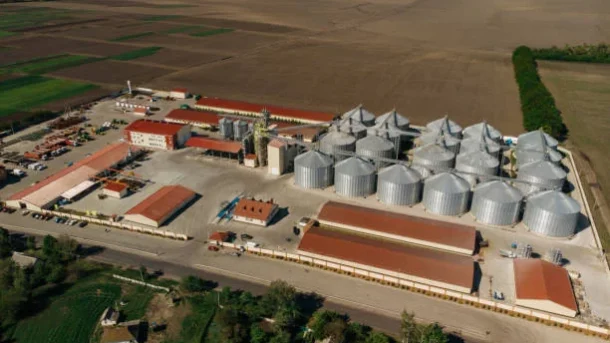
Lack of adequate storage facilities makes harvested crops susceptible to rotting, deterioration, and quality degradation. Significant post-harvest losses can result from deterioration that is sped up by factors like heat, moisture, pests, and pathogens.

Poor Handling and Transportation: Poor handling and transportation procedures can be the result of insufficient storage infrastructure. Crops that have been harvested may have been handled carelessly, stacked incorrectly, or transported in unfavorable circumstances, leading to bodily harm, bruising, and increased susceptibility to rotting and decay.

Limited Market Access: Farmers are unable to store and preserve their produce for longer periods of time due to a lack of storage facilities. Due of this, they are unable to access markets that are far away or have varying demand. Farmers might be obliged to sell their produce at a loss or pay more for transportation to far-off markets, both of which would result in financial loss.

Price fluctuations: Farmers may find it difficult to time their sales to take advantage of opportune market conditions in the absence of storage infrastructure. Farmers may experience financial losses if they are forced to sell their products at reduced prices due to an excess of a certain crop during the harvest season.

What are the issues related to land tenure and land rights in the agriculture sector?

land rights

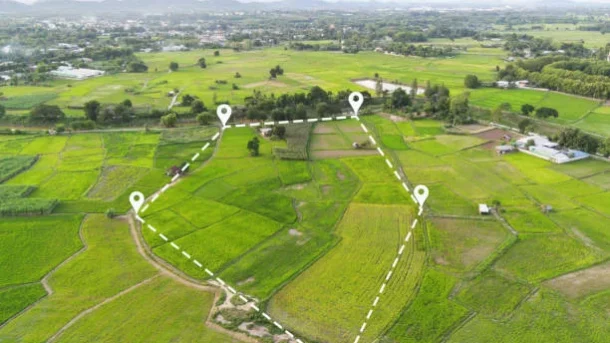
In many regions of the world, farmers lack secure and legally recognized tenure rights, especially small-scale farmers and indigenous people. Uncertainty and vulnerability for farmers can emerge from insecure tenure, which can also lead to the danger of eviction, land grabbing, and land conflicts.

Land Concentration and Landlessness: A major issue is land concentration, which occurs when a sizable amount of agricultural land is owned by a small number of large landowners or businesses. Small-scale farmers may be displaced, people may become homeless, and there may be disparities in who has access to and control over productive land as a result of this concentration of land ownership.

Gender Inequality: Women frequently have less access to land and fewer land rights than males, which restricts their capacity to carry out agricultural activities and prevents them from being economically empowered. Gender differences in property ownership and governance are a result of discriminatory actions, societal expectations, and governing laws.

Lack of Formal Documentation: Many farmers lack formal documentation of their land rights, particularly in developing nations. Farmers may be more susceptible to land grabbing, encroachment, and legal problems if they lack formal land titles, land registration systems, and documentation procedures.

How does the fluctuating prices of agricultural commodities affect farmers’ income and livelihoods?

income

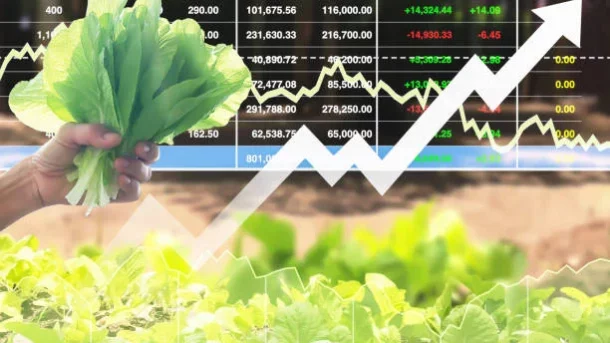
Income Unpredictability: Varying prices have a direct impact on farmers’ income levels and can cause income unpredictability. Farmers’ livelihoods may benefit when commodity prices are high because they can generate larger earnings and profits. In contrast, when prices fall, farmers may have less revenue, making it difficult to pay for production costs, settle debt, and cover living expenditures.

Profit Margin: Price changes have an impact on farmers’ profit margins. Increased profit margins from higher commodity prices can encourage farmers to spend more on farm supplies, technology, and infrastructure improvements. On the other hand, lower prices may reduce farmers’ capacity to reinvest in their operations or make the necessary upgrades.

Market Risks: Varying pricing expose farmers to market risks. Rapid price changes can jeopardize the stability of the market and make it more difficult for farmers to forecast and manage their future income. Farmers may experience difficulties negotiating lucrative contracts, hedging against price risks, or timing their sales.

Cost of Inputs: Changes in the price of agricultural commodities can also affect the price of inputs like seeds, fertilizer, and equipment. Input costs typically increase along with rising commodity prices. Due to the need to spend more on inputs while receiving lower prices for their products, this might further reduce farmers’ profit margins.

What are the challenges faced by farmers in adopting and implementing sustainable farming methods?

methods

Knowledge and Information Gap: A major hindrance may be a lack of understanding of sustainable farming methods. Farmers might not be knowledgeable about the advantages, strategies, or effective application of sustainable approaches. To overcome this obstacle, access to education, extension services, and information distribution is essential.

Financial Restraints: Making the switch to sustainable agricultural methods frequently necessitates a large initial investment in new technologies, machinery, organic inputs, or infrastructural upgrades. Farmers’ ability to make investments in sustainable practices may be hampered by a lack of financial resources and easy access to loans.

Farmers may be reluctant to embrace sustainable methods if they do not believe that there is enough market demand or if they are unable to get price premiums for their sustainably produced commodities. Farmers may be discouraged from switching to sustainable practices due to a lack of market incentives or lack of access to markets that value and reward sustainability.

Technical Support and Expertise: Using sustainable agricultural methods may need for technical assistance and knowledge, particularly in the beginning. Crop rotation, agroforestry, integrated pest management, soil health management, or water conservation techniques may require advice for farmers. To offer the required support, it is crucial that extension services, agronomists, and farm advisers are accessible.

How is the lack of access to affordable and reliable agricultural inputs hindering farmers’ productivity?

lack of access

Limited Access to High-Quality Seeds: High agricultural yields and crop resilience depend on the use of high-quality seeds. However, a lot of small-scale farmers, especially in developing nations, find it difficult to get hold of high-quality seeds that are tailored to their regional requirements. The ability of farmers to increase agricultural yield and adjust to shifting environmental conditions is constrained by a lack of access to superior varieties and dependable seed sources.

Insufficient access to nutrients and fertilizers: Fertilizers are crucial for improving soil fertility and restoring missing nutrients. However, farmers find it challenging to access and use fertilizers efficiently due to their high cost and restricted availability in far-off locations. nitrogen deficits, soil deterioration, and decreased crop yields can result from inadequate access to fertilizers and nitrogen inputs.

Limited Access to High-Quality Seeds: High agricultural yields and crop resilience depend on the use of high-quality seeds. However, a lot of small-scale farmers, especially in developing nations, find it difficult to get hold of high-quality seeds that are tailored to their regional requirements. The ability of farmers to increase agricultural yield and adjust to shifting environmental conditions is constrained by a lack of access to superior varieties and dependable seed sources.

Insufficient access to nutrients and fertilizers: Fertilizers are crucial for improving soil fertility and restoring missing nutrients. However, farmers find it challenging to access and use fertilizers efficiently due to their high cost and restricted availability in far-off locations. nitrogen deficits, soil deterioration, and decreased crop yields can result from inadequate access to fertilizers and nitrogen inputs.

What are the problems caused by unsustainable agricultural practices, such as monocropping?

monocropping

Monocropping, which involves cultivating the same crop repeatedly, causes the soil to become depleted of certain nutrients and subject to erosion. This eventually results in decreased soil fertility, decreased organic matter levels, and deterioration of soil structure.

Increased Dependence on Chemical Inputs: To sustain crop yields, monocropping frequently makes heavy use of chemical pesticides and fertilizers. It may be necessary to apply chemical inputs while cultivating a single crop continuously since it can foster the growth of pests and illnesses. This may contribute to pesticide resistance growth and environmental contamination.

Loss of Biodiversity: Because monocropping systems often have fewer plant species, there are less habitats and food sources available to birds, beneficial insects, and other organisms. By upsetting the ecological balance, decreasing the effectiveness of natural pest management, and endangering pollinators, this loss of biodiversity makes plants less resilient and more susceptible to insect outbreaks.

Monocrop fields are more vulnerable to erosion because they lack a variety of plant species and their root systems. The risk of soil erosion by wind and water, which can cause the loss of fertile topsoil and sedimentation in water bodies, is increased by the absence of ground cover.