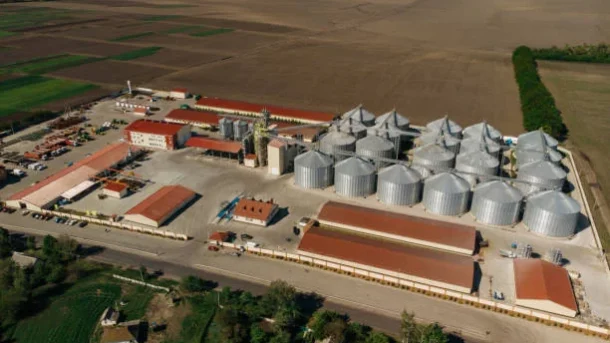
Lack of adequate storage facilities makes harvested crops susceptible to rotting, deterioration, and quality degradation. Significant post-harvest losses can result from deterioration that is sped up by factors like heat, moisture, pests, and pathogens.
Poor Handling and Transportation: Poor handling and transportation procedures can be the result of insufficient storage infrastructure. Crops that have been harvested may have been handled carelessly, stacked incorrectly, or transported in unfavorable circumstances, leading to bodily harm, bruising, and increased susceptibility to rotting and decay.
Limited Market Access: Farmers are unable to store and preserve their produce for longer periods of time due to a lack of storage facilities. Due of this, they are unable to access markets that are far away or have varying demand. Farmers might be obliged to sell their produce at a loss or pay more for transportation to far-off markets, both of which would result in financial loss.
Price fluctuations: Farmers may find it difficult to time their sales to take advantage of opportune market conditions in the absence of storage infrastructure. Farmers may experience financial losses if they are forced to sell their products at reduced prices due to an excess of a certain crop during the harvest season.