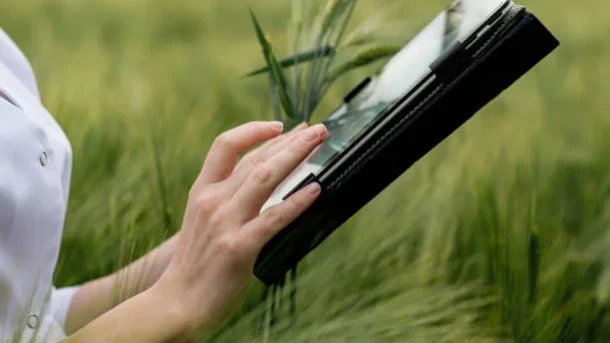
Crop Health Assessment: The health and vigor of a crop can be evaluated using remote sensing techniques like satellite imaging and aerial surveys. Farmers and agronomists can spot fields that might be under stress, have nutrient deficits, or have pest and disease outbreaks by examining vegetation indices obtained from satellite data, such as the Normalized Difference Vegetation Index (NDVI). Targeted actions like modifying irrigation, providing fertilizer, or putting in place pest control measures are made easier with the aid of this information.
Crop yield estimation and forecasting are made possible by the combination of remote sensing data with crop modeling methods. Farmers and decision-makers can forecast crop output potential by continuously observing variables including vegetation growth, canopy density, and chlorophyll content. This knowledge aids in
Remote sensing is extremely important in the assessment and management of water resources for agricultural use. Remote sensing aids farmers in streamlining irrigation schedules and increasing water use effectiveness by tracking soil moisture content, evapotranspiration rates, and indicators of water stress, such as the Water Stress Index (WSI). It makes it possible to undertake precision agriculture, ensuring that crops have access to water while reducing waste.