Pests

What is the treatment of pink larvae in cotton crops?

cotton

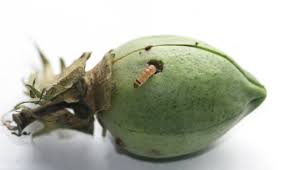
Pink bollworm (Pectinophora gossypiella) is a major pest of cotton crops that can cause significant damage to both the bolls and the leaves of the plant. The pink larva is the immature stage of the pink bollworm and is responsible for most of the damage to the crop.

The primary method of controlling pink bollworm is through the use of chemical insecticides. However, integrated pest management (IPM) strategies that combine multiple control methods, such as biological control, cultural control, and genetic control, can be more effective and sustainable than relying solely on chemical insecticides.

Biological control involves the use of natural predators, parasites, or pathogens to control pink bollworm populations. For example, the use of the Trichogramma wasp, a small parasitic wasp, can be effective in controlling pink bollworm populations. Cultural control involves practices such as crop rotation, early planting, and timely harvesting to reduce the susceptibility of the crop to pink bollworm infestations. Genetic control is another approach where the cotton plant is genetically modified to make it resistant to the pest.

It is important to consult with a professional and follow the instructions on the pesticide label before applying any chemical treatment, also it’s necessary to keep in mind that a combination of these methods is most effective in controlling pink bollworm populations.
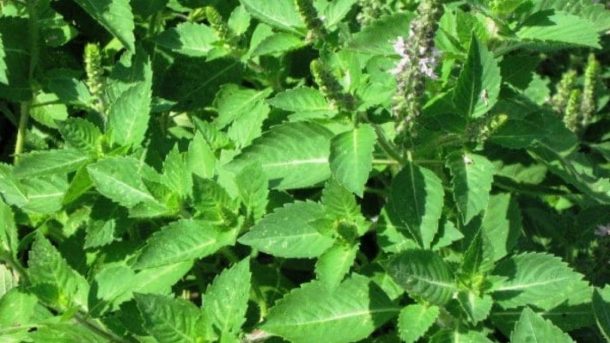
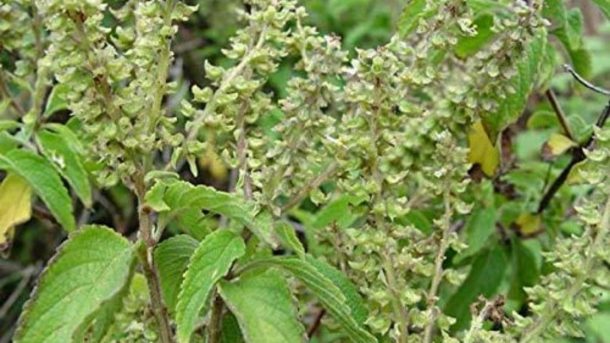
What are some important tips for controlling Basil pests organically?

controlling

Generally, neem spray is a viable option for controlling basil pests like thrips, beetles, whiteflies, and aphids. To control some Basil pests, insecticidal soaps are available in ready-to-use spray bottles or as a concentrate. Neem Spray Insecticide is one of the most common and viable options is neem spray. It is an effective deterrent against insects and pests. The pungent aroma of garlic spray is effective in repelling bugs and pests away. Pepper spray is a potent repellent that knocks numerous pests effectively.

How Leafhoppers are identified and controlled in Tulsi organically?

Tulsi

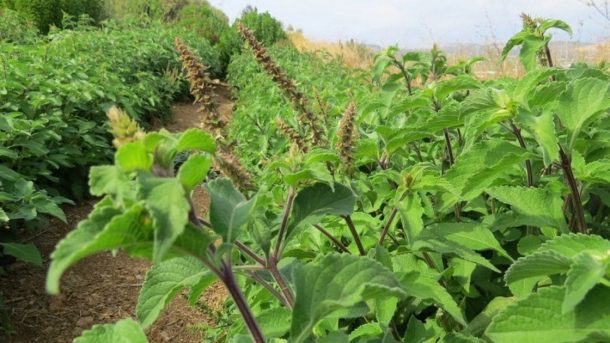
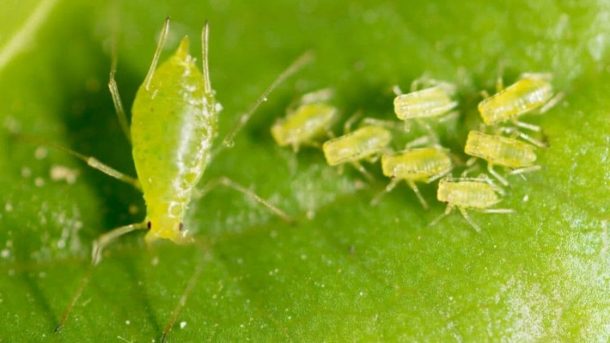
Leafhoppers are a common problem for field growers and identifiable by their light green bodies. Leafhoppers can be detected by the presence of white or pale-yellow spots on Tulsi leaves. The damage caused is not solely cosmetic since these insects are known to transmit viral diseases.

Some botanical sprays like neem, pyrethrum, and horticultural oil sprays are best for controlling leafhoppers.

What are the damage symptoms of cutworms in carnation?

damage

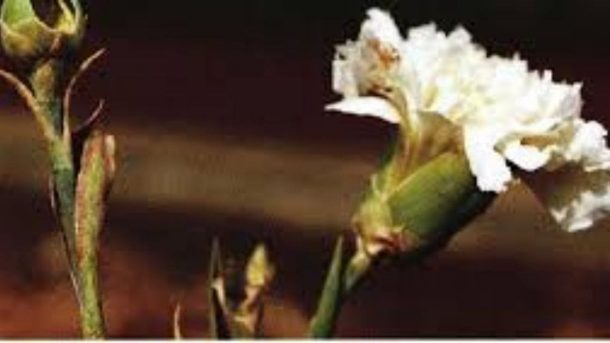
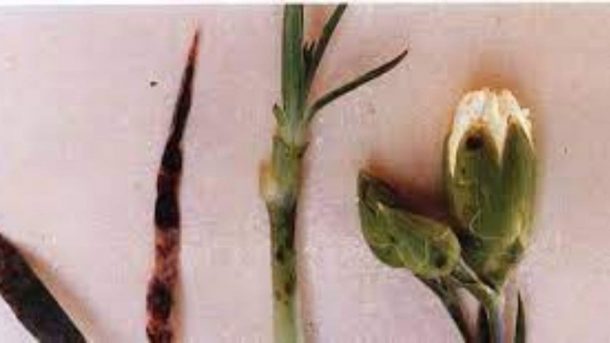
Cutworm damage usually occurs in young plants when soil fumigation was not effective. Plants are cut off at the soil line. In older plants the larvae of the moth Peridroma saucia climb the stems, cut off shoots, and gouge out the flower buds. The larvae are ash Gray or mottled brown with a distinct yellow dot on each body segment.

What are the damage symptoms of thrips in carnation?

thrips

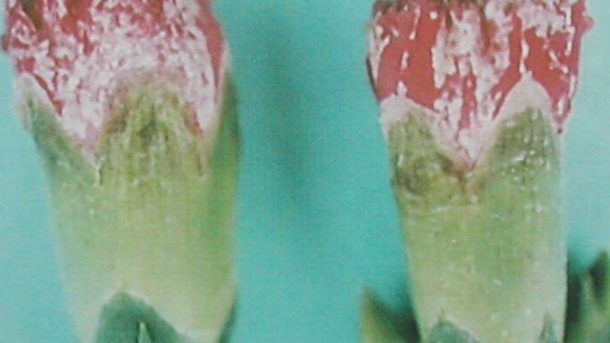
Thrips are damaging to carnation flowers in dry summer months. On coloured flowers they cause white flecks, but on white flowers they cause tan to brown specks. The western flower thrip, Frankliniella occidentalis, is the most prevalent thrip in Hawaii-grown carnations. Other species- e.g., Thrips palmi, T. tabaci, and T. hawaiiensis- are also common. The western flower thrip and T. palmi are the most difficult to control because they have developed resistance to insecticides. Adult western flower thrips, are about 1/20 inch long and are tan; the young are yellowish.

What are the damage symptoms of carnation bud mite?

carnation

Carnation bud rot in Hawaii is caused by saprophytic fungi and bacteria associated with the grass mite. Affected flower buds may appear normal on the outside, but the inner floral parts are discoloured light brown and moist in appearance. Interior petal decay occurs when fungi and bacteria associated with the mite invade the tissues damaged during feeding. With a magnifying glass, it is possible to see the white ellipsoidal bodies of pregnant female mites embedded in the discoloured tissue inside the bud. Young infected buds fail to open or open abnormally, generally in a lopsided way.

How allelopathic effect control pests in marigold?

marigold

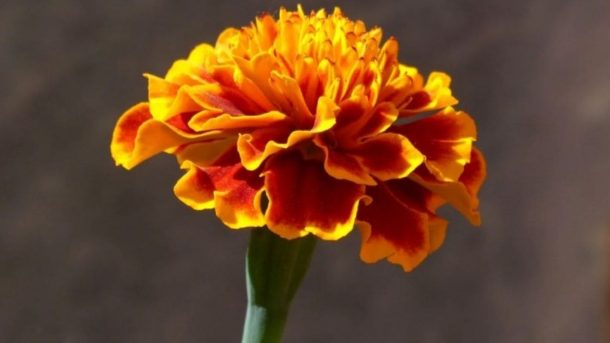
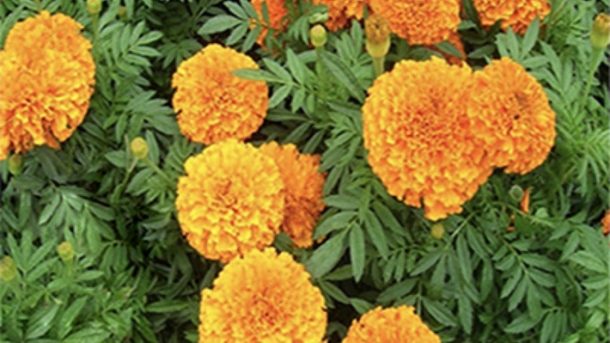
Allelopathy is the ability of an organism to produce chemicals that are toxic to other organisms. Marigold roots release the chemical alpha-terthienyl, one of the most toxic naturally occurring compounds. This compound is nematicidal, insecticidal, antiviral, and cytotoxic. The presence of alpha-terthienyl inhibits the hatching of nematode eggs. However, if in a field setting, it is unclear if marigolds producing alpha-terthienyl inhibit development because of the alpha-terthienyl itself or because marigolds are a non-host for certain nematodes.

Does marigold suppress all plant-parasitic nematodes?

marigold

It doesn’t suppress all plant parasitic nematodes. It suppresses root-knot nematodes, lesion nematodes, and possibly reniform nematodes, but increases others such as, stubby-root, spiral, sting, and awl nematodes. In addition, different varieties of marigold may react differently to different root-knot nematodes. Furthermore, especially for root-knot nematodes, new species that have recently been discovered or remain undiscovered may increase on or damage marigold species/varieties that are proven to be resistant to other well-known nematode species.