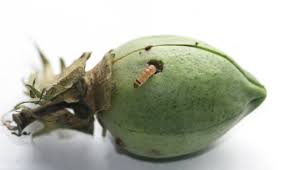
Pink bollworm (Pectinophora gossypiella) is a major pest of cotton crops that can cause significant damage to both the bolls and the leaves of the plant. The pink larva is the immature stage of the pink bollworm and is responsible for most of the damage to the crop.
The primary method of controlling pink bollworm is through the use of chemical insecticides. However, integrated pest management (IPM) strategies that combine multiple control methods, such as biological control, cultural control, and genetic control, can be more effective and sustainable than relying solely on chemical insecticides.
Biological control involves the use of natural predators, parasites, or pathogens to control pink bollworm populations. For example, the use of the Trichogramma wasp, a small parasitic wasp, can be effective in controlling pink bollworm populations. Cultural control involves practices such as crop rotation, early planting, and timely harvesting to reduce the susceptibility of the crop to pink bollworm infestations. Genetic control is another approach where the cotton plant is genetically modified to make it resistant to the pest.
It is important to consult with a professional and follow the instructions on the pesticide label before applying any chemical treatment, also it’s necessary to keep in mind that a combination of these methods is most effective in controlling pink bollworm populations.