Nutrient requirement

 How can agri-robotics assist in soil sampling and analysis?

agri-robotics

By automating and improving the procedure, agri-robotics can play a crucial role in soil sampling and analysis. How agri-robotics can help with soil collection and analysis is as follows:

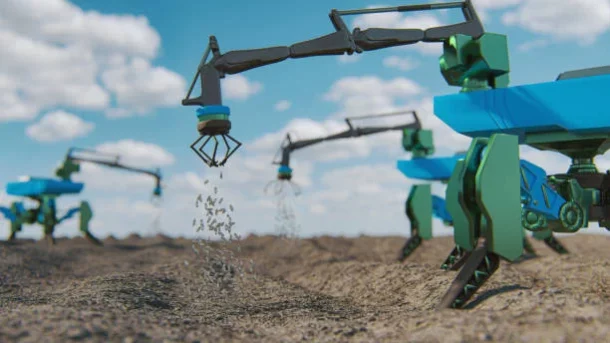
Precision sampling instruments can be fitted on agricultural robots to enable systematic and standardized collection of soil samples. Using GPS or other positioning technologies, these robots may move around fields while adhering to pre-established sample patterns. The capacity to take samples at specified depths and locations guarantees accurate and representative soil data for examination.

High-volume sampling: Agri-robots are capable of collecting a lot of soil samples fast and effectively. They can collect samples across large regions of land while requiring less time and labor than manual sampling does. This capacity for high-volume sampling allows for greater.

Real-time data gathering: Agri-robots can be fitted with sensors and tools to capture data in real-time while collecting soil. These sensors can gauge many aspects of the soil, including its pH, nutrient content, organic matter concentration, moisture content, and compaction. Robotic data collection allows for fast feedback on the state of the soil, allowing farmers to make informed decisions about best methods for soil management.

Agri-robots can use remote sensing and imaging techniques, such as multispectral or hyperspectral imaging, to evaluate soil properties. These sensors are able to take precise photographs of the soil’s surface and identify changes in the soil’s organic matter distribution, moisture level, or composition. The use of remote sensing and imaging technologies allows for specialized soil management practices and important insights into the health of the soil.
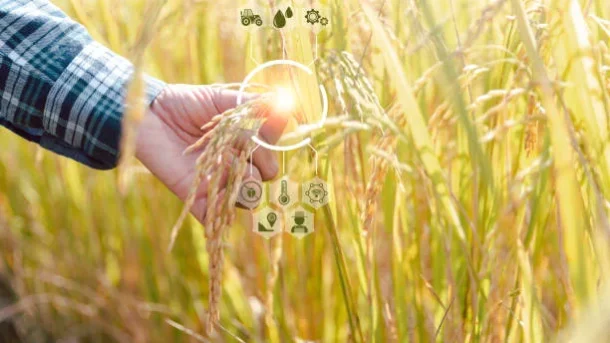
What are the advantages of using precision livestock farming techniques?

precision livestock farming

PLF (precision livestock farming) approaches have many benefits for the management and observation of animals. Following are the main advantages of utilizing PLF techniques:

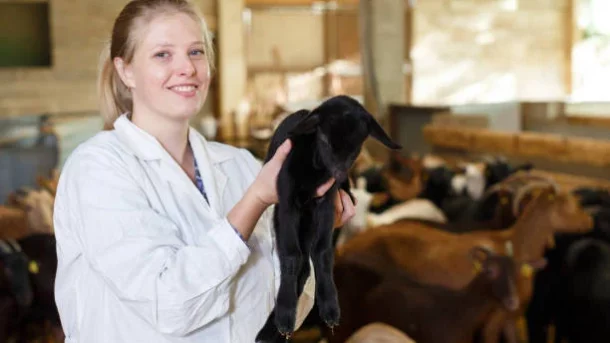
Monitoring of animal welfare and health: Precision livestock farming approaches enable ongoing observation of animal welfare and health indicators. Indicators such as body temperature, heart rate, activity levels, food behavior, and rumination patterns can be tracked by sensors, such as wearable technology or automated monitoring systems. Through early health issue diagnosis and prompt action made possible by real-time monitoring, animal welfare results are improved.

The early diagnosis of diseases or anomalies in animals is made easier by PLF procedures. Animal behavior, vital signs, and performance indicators can all be continuously monitored in order to spot any deviations from the norm. As a result, the risk of early disease diagnosis and treatment is decreased.

Resource management at its best: PLF makes it possible for livestock production systems to use resources effectively. Farmers can modify their feeding techniques and improve nutrient management by gathering information on feed consumption, weight increase, and growth rates. As a result, feed efficiency is increased, feed waste is decreased, and resources like feed, water, and energy are used more sustainably.

Environmental effect reduction: PLF procedures help to lessen the environmental impact of raising livestock. Farmers can decrease the excretion of nutrients like nitrogen and phosphorus by maximizing feed intake and nutrition, which lowers the risk of soil and water pollution. Reduced feed waste and greenhouse gas emissions from livestock production are further benefits of precision feeding depending on the demands of each individual animal.

How can predictive analytics help optimize crop yields?

predictive analytics

Through the use of data and sophisticated modeling tools, predictive analytics may significantly contribute to the optimization of crop yields. The following are some ways that predictive analytics can help to maximize crop yields:

Predictive models can forecast agricultural yields by examining historical data, weather patterns, soil conditions, and other pertinent variables. With the use of statistical algorithms and other considerations, predictive analytics can reasonably anticipate future yields. Farmers can use this knowledge to better plan their operations, choose wisely how to promote their products, and allocate resources.

Disease and pest prediction: Predictive analytics can be used to estimate the risk of disease or pest outbreaks based on historical data, environmental factors, and disease and pest models. Predictive models keep track of variables like temperature, humidity, precipitation, and insect life cycles.

Water management and irrigation: To optimize irrigation schedule, predictive analytics can examine historical data, weather predictions, crop water requirements, and soil moisture data. Farmers may use irrigation more effectively by forecasting their water needs and taking into account variables like evapotranspiration rates, rainfall, and soil moisture levels. This prevents water waste and boosts the effectiveness of water use by guaranteeing that crops receive the appropriate amount of water at the appropriate time.

Optimizing fertilizer applications involves using predictive analytic to examine information on soil nutrients, crop nutrient needs, and historical yield data. Predictive models can suggest accurate fertilizer formulas and application rates based on soil nutrient levels, nutrient uptake rates, and crop growth phases. This enables farmers to lessen fertilizer waste, lessen their influence on the environment, and guarantee that their crops receive the nutrients they need.

What are the different breeding methods used in modern plant breeding?

modern plant breeding

To create new plant types with desirable features, modern plant breeding uses a variety of techniques. The following are some of the main techniques for breeding plants today:

Using parent plants with desirable features, conventional modern plant breeding entails carefully supervised hybrids. Breeders choose the parent plants depending on the properties they want in their offspring, then cross them to create offspring with a mix of these traits. Over multiple generations, the progeny, also known as hybrids or segregating populations, are assessed, and the plants with the desired traits are chosen and multiplied.

MAS: Marker-assisted selection The process of using molecular markers connected to particular genes or desirable features is known as marker-assisted selection. Breeders can select plants with the desired features at an early stage by examining the DNA markers, eliminating the requirement for expensive.

Genomic selection: To anticipate plant performance and breeding value, genomic selection makes use of genomic data. It entails gathering DNA information from lots of different plants and fusing it with phenotypic information. Breeders can make more precise selections, especially for qualities that are challenging or time-consuming to examine directly, by using statistical models to predict the genetic worth of each individual based on their genomic profile.

Biotechnology, often known as genetic engineering, is the insertion or modification of particular genes into the genome of a plant in order to confer desired qualities. The precise change of target genes is made possible by methods like gene editing (such as CRISPR-Cas9), providing chances to enhance features like disease resistance, resilience to environmental challenges, or nutritional content.

What are the benefits of using biochar in soil?

biochar in soil

Numerous advantages for soil health, crop productivity, and environmental sustainability come from using biochar in soil amendment. Some of the main advantages of applying biochar to soil are as follows:

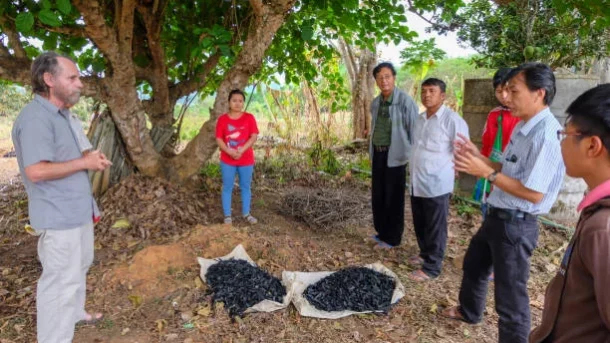
Increased availability and retention of nutrients are two ways that biochar improves soil fertility. Because of the high cation exchange capacity (CEC) of its porous structure, it can draw in and store nutrients like nitrogen, phosphorus, and potassium. This encourages nitrogen retention in the root zone, which reduces nutrient leaching and increases nutrient availability to plants over time.

Enhanced soil water-holding capacity is made possible by biochar’s porous structure. It can hold onto moisture and release it gradually to plant roots, lowering the requirement for irrigation and increasing the amount of water accessible to plants during dry spells. 

Numerous advantages for soil health, crop productivity, and environmental sustainability come from using biochar as a soil amendment. Some of the main advantages of applying biochar to soil are as follows:

Increased availability and retention of nutrients are two ways that biochar improves soil fertility. Because of the high cation exchange capacity (CEC) of its porous structure, it can draw in and store nutrients like nitrogen, phosphorus, and potassium. This encourages nitrogen retention in the root zone, which reduces nutrient leaching and increases nutrient availability to plants over time.

Enhanced soil water-holding capacity is made possible by biochar’s porous structure. It can hold onto moisture and release it gradually to plant roots, lowering the requirement for irrigation and increasing the amount of water accessible to plants during dry spells. 

How does CEA optimize resource utilization?

resource

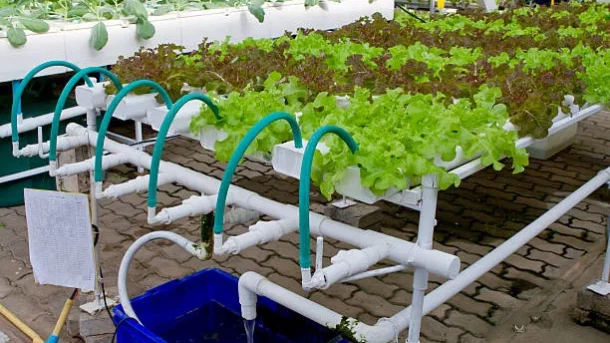
Controlled environment agriculture (CEA) effectively manages inputs like water, energy, nutrients, and space to maximize resource usage. Here is how CEA systems optimize resource:

Efficiency in terms of water use: Compared to conventional agriculture, CEA systems use less water. Water is reused within the system through technologies like hydroponics and recirculating irrigation systems, lowering overall demand. Recirculating nutrient-rich water reduces surplus discharge. Furthermore, CEA permits precision irrigation management, providing water to the root zone directly, avoiding evaporation, and eliminating water waste.

Energy effectiveness: CEA systems put an emphasis on energy-efficient procedures to lower energy usage. It is usual to utilize LED lighting because it uses the least amount of energy while yet giving the right kind of light spectrum for plant growth. In order to maximize energy efficiency, climate control systems use insulation.

Management of nutrients: CEA systems, particularly hydroponic and aquaponic ones, maximize nutrient uptake by giving plants precisely the right amounts of nutrients. Plants are able to efficiently absorb the necessary nutrients thanks to the careful formulation of nutrient solutions and their delivery to the roots. This targeted distribution reduces nutrient loss and leaching, improves nutrient uptake, and has a smaller negative impact on the environment.

Space usage: CEA systems maximize space utilization, especially in cities or other places where there is a shortage of available land. High plant densities are possible with vertical farming, which grows plants in stacked layers or shelves to make efficient use of vertical space. By removing the need for soil and allowing plants to grow in a smaller area, hydroponic and aeroponic systems maximize available space. Increased space efficiency allows CEA systems to produce more food in a less amount of space.

What is controlled environment agriculture (CEA)?

environment

A controlled atmosphere must be established and maintained for plant growth in controlled environment agriculture (CEA), regardless of the weather outside. To generate the perfect conditions for plant growth, CEA systems make use of a variety of technologies to regulate and optimize elements like temperature, humidity, light, CO2 levels, and fertilizer delivery. Maximizing crop output, quality, and resource efficiency is CEA’s main goal.

Controlled environment agriculture’s essential elements and characteristics include:

Climate control: To maintain the ideal temperature and humidity levels for plant growth, CEA systems use cutting-edge climate control technology, such as heating, ventilation, and air conditioning (HVAC) systems. The CEA permits year-round agriculture and offers protection from extreme weather by regulating these environmental elements.

Artificial lighting: To supply the requisite light spectrum and intensity for photosynthesis in CEA, artificial lighting systems like light-emitting diodes (LEDs) are utilized. These lighting systems allow growers to optimize light conditions and lengthen the day, boosting plant growth even in low-light or indoor circumstances. They can be customized to individual crop requirements.

Growing without soil or in water: CEA frequently uses soilless growing methods like hydroponics, in which plants are grown in nutrient-rich water solutions or growing mediums like coco coir, perlite, or rockwool. Soilless farming enables precise control of water availability, pH levels, and fertilizer delivery, which optimizes plant development and minimizes resource loss.

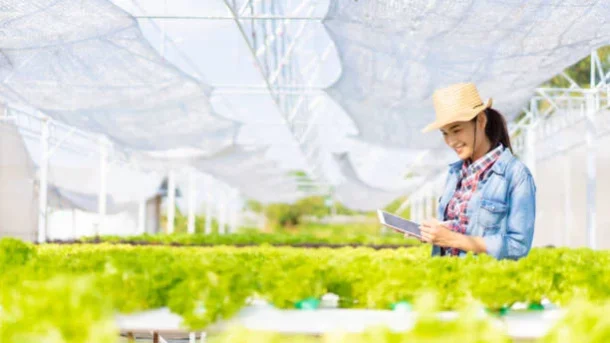
Automation and environmental monitoring systems use sensors and monitoring equipment to continually monitor and control environmental factors. Temperature, humidity, CO2 levels, light intensity, and nutrition levels are just a few of the variables that these sensors keep an eye on. Automation systems maintain exact and constant conditions for plant growth by controlling and adjusting these variables in accordance with established set points or algorithms.

How does aquaponics combine fish farming and plant cultivation?

fish

Hydroponic plant cultivation and fish farming are combined in aquaponics to create a symbiotic ecosystem that benefits both the plants and the fish. These two elements are combined in aquaponics as follows:

Aquaculture, or the raising of fish:

In tanks or ponds, fish are raised as a source of protein and as a source of revenue.

The fishes excrete solid waste and urine that is high in ammonia.

Ammonia is transformed by helpful bacteria in the system into nitrites, which are then converted into nitrates, which are nutrients for plants.

Growing plants in hydroponic systems:

In a soilless media like gravel, expanded clay pellets, or a floating raft system, plants are grown.

The plants are positioned in grow beds or channels with nutrient-rich water flowing over their roots.

The nutrients from fish excrement are cycled in the water too.

Following is a succinct summary of the symbiotic relationship between fish and plants in aquaponics:

Exchange of nutrients: The ammonia-containing fishes feces serves as a source of nitrogen for the plants. Beneficial bacteria transform ammonia into nitrites and nitrates. The plants use these nitrates as their main source of nutrition, which helps to accelerate their growth.

Water filtration and purification: Plants serve as natural filters that remove harmful impurities like ammonia and excess nutrients from the water. The roots of the plants collect nutrients as the water flows through the plant beds, purifying and enhancing the water’s quality. A continuous cycle is then maintained by returning the cleansed water to the fish tanks.

 What are the advantages of hydroponic farming?

farming

There are a number of benefits to hydroponic farming over conventional soil-based agriculture. The following are some major benefits of hydroponic farming:

Effective use of water: Compared to conventional soil-based agriculture, hydroponic systems significantly use less water because water is circulated inside the system. Because the water is fed directly to the plant roots, hydroponics can use up to 90% less water by reducing evaporation and runoff. Hydroponics’ regulated atmosphere also stops water from being wasted through overwatering or ineffective irrigation techniques.

Control of nutrients: In hydroponic farming, vital nutrients are dissolved in water and delivered right to the roots of the plants. This makes it possible to precisely manage the content, concentration, and pH levels of the nutrients, ensuring that plants get the right amount of nutrients for growth. 

Increased crop yields: Plants thrive under hydroponic systems’ perfect growing conditions. In comparison to conventional agriculture, plants can grow more quickly and create better yields with the proper ratio of nutrients, water, and sunshine. Hydroponics’ carefully regulated environment rids plants of soil-borne pathogens and pests, lowering crop losses and enabling them to grow to their full potential.

Hydroponic systems are created to make the most of available space. In contrast to conventional soil-based techniques, plants are grown vertically or closely together in these arrangements. Because of this, hydroponics is especially well suited for metropolitan settings or places where there is a shortage of available land. Hydroponics can grow more food with less space by stacking systems and utilizing vertical space.

 What are the key technologies used in precision agriculture?

precision

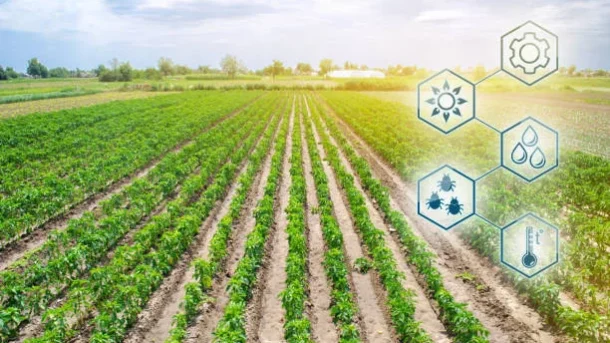
A variety of technologies are used in precision agriculture to collect information, make defensible judgments, and implement site-specific management techniques. Here are some crucial technologies that are frequently applied in precision agriculture:

Global Positioning System (GPS): GPS technology enables precise and accurate location tracking, allowing farmers to pinpoint the specific coordinates of their machinery, sensors, and crop monitoring equipment. GPS enables accurate mapping and geolocation data, which forms the basis for many precision agriculture applications.

Geographic Information System (GIS): GIS technology combines other agricultural data with spatial data, such as soil mapping, topography, and field borders. It enables site-specific decision-making and precision management techniques by enabling farmers to visualize, analyze, and manage data in a spatial context.

Using sensors on satellites, drones, or aircraft, remote sensing involves gathering information about crops and fields. Remote sensing techniques including thermal imaging, multispectral and hyperspectral imaging, and Light Detection and Ranging (LiDAR) can gather useful data on a variety of factors, including crop health, biomass, water stress, and nutrient content. Making targeted management decisions and spotting crop variability are both made easier by this data.

Drones, also known as unmanned aerial vehicles (UAVs) or drones, are being employed in precision agriculture more and more often. They can gather information on crop health, plant population, and other characteristics as well as high-resolution aerial photography. Monitoring crops, spotting anomalies, and evaluating field conditions may all be done effectively and economically with drones.