Hydroponic plant cultivation and fish farming are combined in aquaponics to create a symbiotic ecosystem that benefits both the plants and the fish. These two elements are combined in aquaponics as follows:
Aquaculture, or the raising of fish:
In tanks or ponds, fish are raised as a source of protein and as a source of revenue.
The fishes excrete solid waste and urine that is high in ammonia.
Ammonia is transformed by helpful bacteria in the system into nitrites, which are then converted into nitrates, which are nutrients for plants.
Growing plants in hydroponic systems:
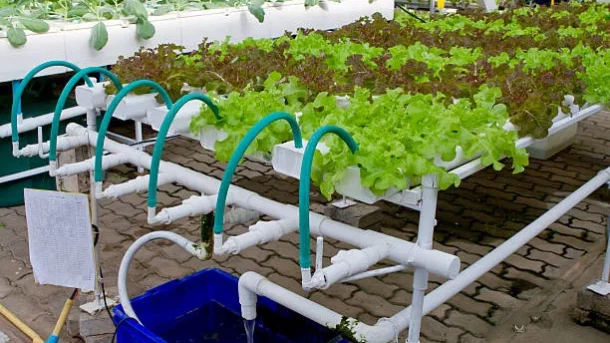
In a soilless media like gravel, expanded clay pellets, or a floating raft system, plants are grown.
The plants are positioned in grow beds or channels with nutrient-rich water flowing over their roots.
The nutrients from fish excrement are cycled in the water too.
Following is a succinct summary of the symbiotic relationship between fish and plants in aquaponics:
Exchange of nutrients: The ammonia-containing fishes feces serves as a source of nitrogen for the plants. Beneficial bacteria transform ammonia into nitrites and nitrates. The plants use these nitrates as their main source of nutrition, which helps to accelerate their growth.
Water filtration and purification: Plants serve as natural filters that remove harmful impurities like ammonia and excess nutrients from the water. The roots of the plants collect nutrients as the water flows through the plant beds, purifying and enhancing the water’s quality. A continuous cycle is then maintained by returning the cleansed water to the fish tanks.