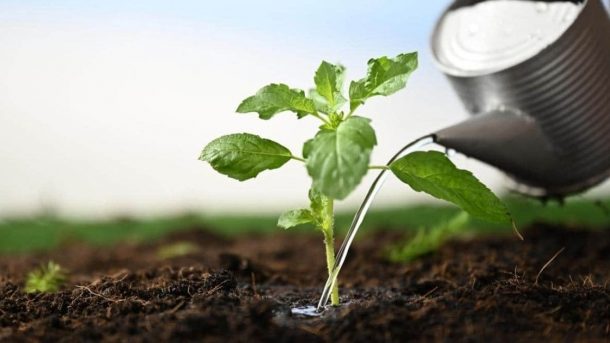
Dry and hot summer months need frequent irrigation. Usually, it takes about 3 to 4 irrigations per month in summer. The life irrigation should be given immediately after transplanting in the field and subsequently during seedling establishment in the soil. On an average Basil crop requires, 14 to 15 irrigations per year depending on climate and season.
Irrigation
What is the irrigation requirement for gerbera flower farming?
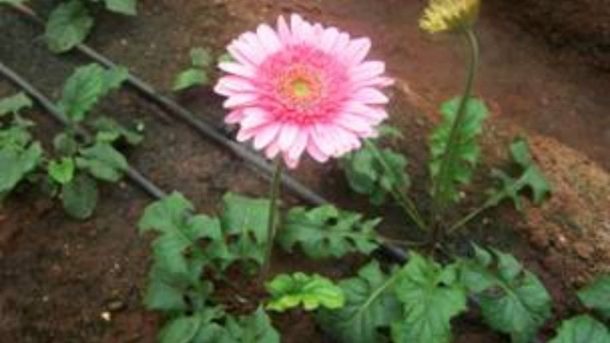
Immediate Irrigation is required after planting and continue to irrigate for a month to enable a good root establishment. Thereafter, drip irrigation should be done once in 2 days @ 4 liter/drip/plant for 15 minutes. An average requirement of water up to 700 ml/day/plant.
What is the Irrigation Requirements for Tamarind Production?
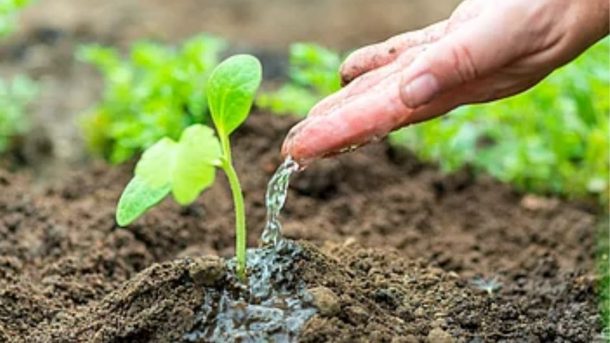
Young Tamarind trees need suitable soil wetness up to trees to become established, but mature trees do well without supplemental irrigation. Need to avoid overwatering which results in soggy soils. Water seedlings deeply when the first inch of soil is dry to the touch. Once the tree is established, it does not need regular watering and can withstand periods of extreme drought conditions.
How Irrigation is done in cherry Fruit Cultivation?
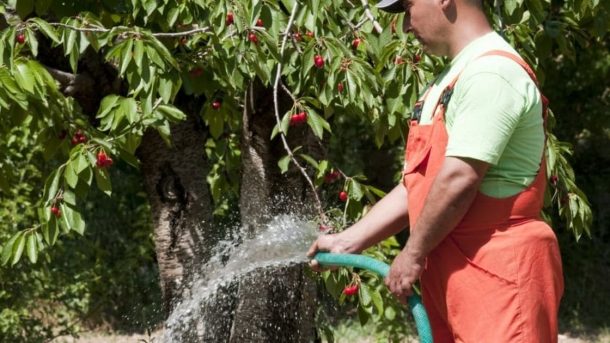
In India, cherries are grown under rain-fed conditions. However, in areas where annual rainfall is less and uneven distribution of rain is expected, cherry plants are required to irrigate frequently to maintain the moisture. Especially at the time fruit development, cherry trees need to be irrigated at weekly interval for better fruit quality and size. Irrigation should be carried in hot weather climatic conditions (Apr to May). Drip irrigation can be adopted as best water management practice.
What is the irrigation requirement for Hibiscus Cultivation?
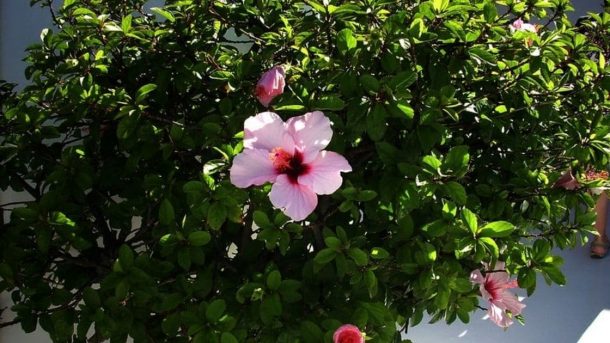
As Hibiscus plants are tropical, they prefer constant moisture and sunlight for good blooming. Irrigating / watering depend on the soil type and season. In case of hot and dry seasons, it requires daily watering. When the top leaves turning to yellow and started dropping indicates that the plant is not getting enough water. In rainy season, make sure there won’t be any water stagnating as it causes the root rot.
What is the irrigation requirement for Carnation Flower Growing?
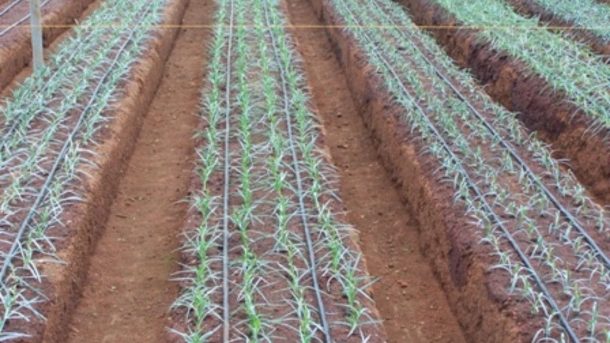
During the first 3 weeks of plantation an overhead sprinkler system required to prevent young plants from drying out. Afterward, a drip irrigation system can be adopted. Irrigation is provided with a drip system once in 2 to 3 days depending on soil moisture-holding capacity. This crop requires a water of 4 to 5 liters/sq.m/day.
What is the irrigation requirement for Sesame Farming?
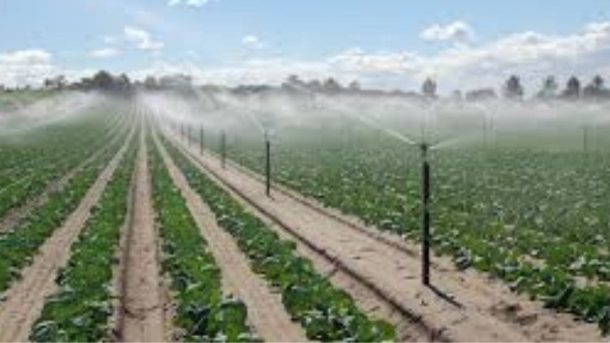
Irrigate the field when sowing to keep enough moisture for good germination. Depending upon the soil type and climatic condition, provide life irrigation @ 7 days after sowing. There are 3 critical stages of watering in sesame farming, first one at pre-flowering stage (22-25 days after sowing), second one at flowering stage (35 to 45 days after sowing) & 1 (or) 2 irrigations at pod setting stage. During the seed maturity stage, maintain low moisture status because seed maturity is affected and filling up of the capsules would be poor. Hence, stop watering after 65 to 70 days of sowing.
Which crop growth conditions help to get more yield of rice?
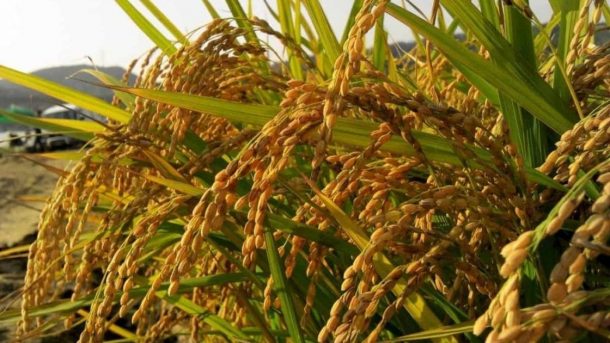
Rice is grown in 8° to 25° N latitudes and up to 2500 meters above sea level under different conditions. It is a tropical plant and needs more heat and moisture for its successful growth. The average monthly temperature should be quite high at 24°C at growth and 25- 30°C at harvest. The average annual rainfall required for rice cultivation is 150 cm.
What is the irrigation requirement for marigold farming?
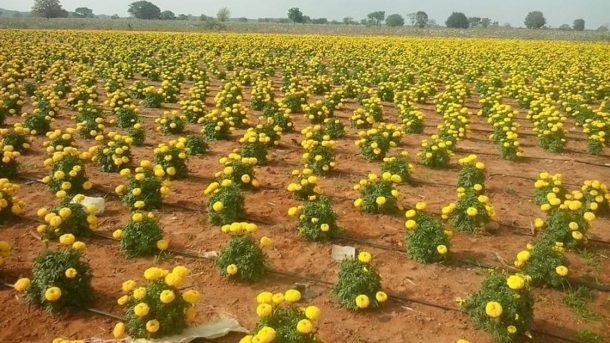
As this crop requires constant moisture in the soil from bud formation to harvesting of flowers, Irrigation should be given once in a week or as and when needed. Irrigation should be given immediately after planting in the field and life irrigation is recommended on 3rd or 4th day after planting. This crop is sensitive to waterlogging. Hence this should be avoided and should maintain well internal drainage especially in rainy season.
What is the irrigation requirement for litchi farming?
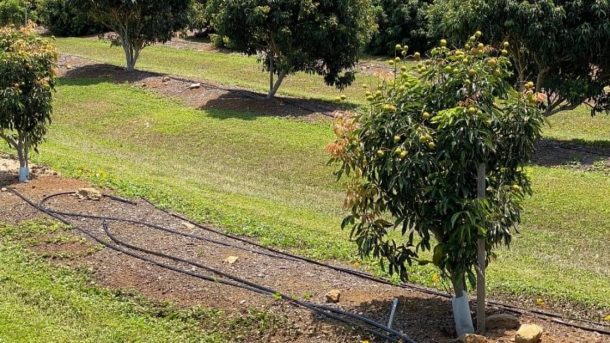
If you use micro irrigation to irrigate your litchi garden you will get tremendous result. In small litchi plants regular irrigation should be done at the time of establishment. For which irrigation should be done at an interval of 5-6 days in winter and 3-4 days in summer. Water should not be given 3-5 months before flowering (November to February) in full grown plants of Teevi which have started bearing fruit. The fruit development starts rapidly from six weeks before the fruit ripening (beginning of April) in the teacups.
Therefore, in the plants which have started fruiting, proper management and irrigation is required at this time. Lack of water leads to fruit development and cracking of fruits. Therefore, proper water management leads to proper development of the pulp and the problem of fruit cracking is reduced. Finally, I can say you that you will get 25-40% more yield as compare to previous year crop of without drip system. You can provide soluble fertilizer with venturi system so that plant root can accept fertilizer compare to any other methods.