Cropping patterns

How can digital platforms facilitate direct farmer-consumer interactions?

digital platforms facilitate

By bridging the gap between producers and customers, digital platforms play a crucial role in fostering direct farmer-consumer contacts. The following are a few ways that digital platforms facilitate and improve these interactions:

Online markets: Digital platforms facilitate offer online markets so farmers may advertise and sell their goods to consumers directly. These platforms do away with the need for middlemen, giving farmers access to a larger client base and fair rates for their goods. Customers can easily shop from the comfort of their homes and access a range of farm-fresh goods.

Direct avenues of communication: Farmers and consumers can communicate directly through digital platforms. Customers can ask about farming methods, product specifications, or even forge a personal connection with the farmers through messaging apps, chatbots, or email.

Digital platforms enable community-supported agriculture (CSA) models, in which customers can sign up to receive regular shipments of fresh fruit from farmers. By streamlining the ordering, payment, and delivery procedures, these platforms provide a direct connection between farmers and consumers. A sense of community and connection is fostered by the inclusion of chances for farm visits, activities, and interaction in CSA models.

Information on products, including their provenance and agricultural methods, certifications, and quality standards, can be found on digital platforms. Customers can access details about the route taken by their food from farm to table by scanning QR codes or utilizing product-specific identifiers. Consumers are given confidence and given the power to make wise decisions because to this transparency.

 How does crop rotation improve soil fertility?

crop rotation

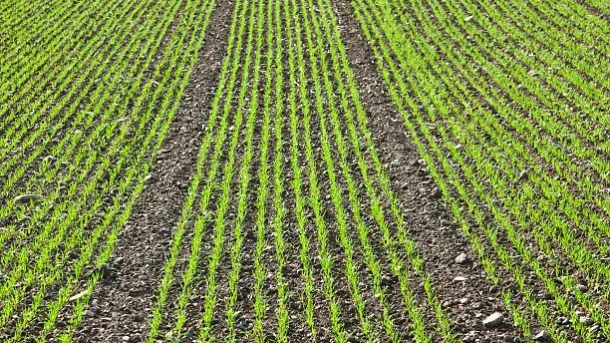
Crop rotation is a farming technique that entails planting several crops in an area in a planned order throughout time. Numerous advantages come from this method, including increased soil fertility. Crop rotation improves soil fertility in the following ways:

Cycling of nutrients: varied crops have varied nutrient needs and use nutrients from the soil in different ways. Through crop rotation, nutrients can be transferred across several plant types. Leguminous plants, like beans and peas, can, for instance, fix atmospheric nitrogen through symbiotic partnerships with bacteria that fix nitrogen. Legumes enhance the soil with nitrogen when they are grown in rotation with other crops, which benefits succeeding crops with higher nitrogen requirements.

Control of disease and pests: Crop rotation breaks up the life cycles of pathogens, illnesses, and pests. Numerous pests and diseases are host-specific, meaning they favor or focus on particular crops. Farmers can stop the cycle of pests and diseases that may have accumulated in the soil by rotating their crops. By suppressing soilborne illnesses through allelopathy, competition, or biological interactions, different crop species in rotation can lessen the need for chemical interventions.

Crop rotations disrupts the life cycles of weeds and lowers their population, aiding in weed management. Rotating crops with various growth habits and competitive traits helps reduce weed growth. Weed pressure varies depending on the crop. Crop rotations can also facilitate the application of particular weed control techniques, such as switching between crops.

Enhanced Soil Structure: The root structures and depths of various crops vary. Crop rotation alters root growth patterns and encourages a diversified root system, both of which contribute to improve soil structure. Compacted soil layers can be broken up, soil aeration can be improved, and water penetration can be improved by deep-rooted crops. This enhances the health of the soil overall and its ability to absorb nutrients.

How can data-driven decision-making optimize farm management?

data-driven decision-making

By using precise and timely data to inform and guide diverse agricultural operations, data-driven decision-making improves farm management. How data-driven decision-making can improve farm management is as follows:

Optimizing Input Use: Farmers can choose the precise use of fertilizers, irrigation, and other inputs by carefully considering data on soil fertility, nutrient levels, and crop requirements. Farmers may maximize input use with the help of data-driven insights, ensuring that crops get the proper amount of nutrients at the right time. This lessens waste, lowers expenses, and boosts resource efficiency.

Precision Agriculture: Based on data insights, precision agriculture practices entail applying inputs and managing fields at the sub-field level. This is made possible by data-driven decision-making. Farmers can spot changes in crop yields by combining information from sensors, satellite photography, and field monitoring.

Data analysis assists farmers in identifying and reducing hazards in their operations. It is possible to evaluate prospective risks and make defensible decisions by using historical data on weather patterns, pest outbreaks, or market trends. For instance, depending on risk analyses and predictive models, farmers can modify planting schedules, put in place pest monitoring programs, or diversify crop types. This pro-active strategy aids in managing and reducing prospective losses.

Operational Efficiency: By streamlining farm operations and allocating resources more effectively, data-driven decision-making enhances operational efficiency. Farmers can spot bottlenecks, inefficiencies, or opportunities for improvement by examining data on equipment performance, labor productivity, or field logistics. By maximizing the use of manpower and equipment and minimizing downtime or delays, data insights enable better planning and scheduling of farm activities.

How does integrated pest management (IPM) reduce the reliance on pesticides?

integrated pest management

integrated pest management is a method to pest control that places an emphasis on using a variety of tactics to reduce pest populations while reducing the usage of pesticides. IPM lessens the need for pesticides in the following ways:

Monitoring and Thresholds: To gauge pest populations and crop damage levels, integrated pest management starts with routine monitoring and scouting. Farmers decide when pest numbers reach a point where action is necessary by setting action thresholds. By ensuring that pesticides are only applied when necessary, this minimizes the usage of unneeded chemical agents.

IPM places a strong emphasis on the adoption of cultural techniques that reduce the pest-friendly qualities of the agricultural environment. Crop rotation, the use of resistant cultivars, altering planting dates, maximizing irrigation and fertilization, and enhancing soil health are some of these techniques. Crop health is improved by removing situations that encourage pests.

The use of biological management techniques, which entail employing pests’ natural enemies to control their populations, is encouraged by IPM. This includes dispersing or preserving pest-eating nematodes, predatory mites, parasitic wasps, beneficial insects, and beneficial insects. Biological control lowers insect populations without the use of chemical pesticides by utilizing the ecosystem’s inherent regulatory processes.

Controls that are mechanical and physical: IPM uses a number of mechanical and physical techniques to manage pests. These techniques include hand-picking pests, setting up barriers, using traps, mechanical cultivation or mowing, and heat treatments. Pests can be physically eliminated or discouraged, which will lessen the need for chemical management by lowering their number.

What are the advantages of using biological pest control methods?

biological pest control

Biological pest control techniques have a number of benefits over traditional chemical-based pest control strategies. The following are some major benefits of biological pest control:

Environmental safety: Biological pest management techniques are safe for the environment with little risk to non-target species, beneficial organisms, and ecosystems. Biological control methods are unique to the target pest and have minimal effects on non-target organisms, in contrast to chemical pesticides, which can have negative environmental effects.

Biological pest management lessens the need for synthetic pesticides, reducing the amount of chemicals used in agriculture. By doing this, the likelihood of pesticide residues in food, soil, water, and crops is reduced. It supports organic farming methods and works to preserve a more wholesome and natural agricultural ecosystem.

Pest control that is specifically targeted: Biological control agents are frequently quite specific to individual pests or pest groupings. Beneficial insects, pollinators, and other non-target organisms are not damaged whereas pest species are the only ones they target. This targeted precision lowers the possibility of upsetting the ecosystems’ natural balance and promotes biodiversity.

Biological pest control techniques provide long-term solutions for pest management. Contrary to chemical pesticides, which can cause pests to develop pesticide resistance over time, biological control agents frequently contain a variety of modes of action that make it less probable for pests to do the same. Long-term, this offers viable and efficient pest control methods.

 How can remote sensing be used to monitor crop health?

monitor crop health

Remote sensing is the process of gathering data about distant objects or places, usually with the use of satellites, aircraft, or drones that are fitted with sensors. By offering useful insights into numerous aspects of vegetation and agricultural conditions, remote sensing technology can be utilized to monitor crop health. Here are a few applications of remote sensing in crop health monitoring or monitor crop health:

Vegetation Indices: Vegetation indices like the Normalized Difference Vegetation Index (NDVI) or the Enhanced Vegetation Index (EVI) can be calculated using remote sensing data, notably from satellite or airborne sensors. The amount of live, green vegetation that is present in a space is measured by these indexes. Following changes in these indices over time can reveal important details about the health, development, and vigor of a crop. 

Crop Stress Detection: Using remote sensing, crop stress levels can be located and measured. It is possible to identify and map regions of the field that are undergoing water stress, heat stress, or other types of crop stress by examining several spectral bands and indices, such as the Water Stress Index (WSI) or the Temperature Vegetation Dryness Index (TVDI). Farmers who want to reduce stress and avoid yield losses might use this information to help them make timely irrigation or management decisions.

Remote sensing can help with the early identification of pests and illnesses that impact crops. Crop reflectance patterns can change subtly as a result of some diseases and pests, and remote sensing instruments can record these changes. Crop spectral signatures can be examined to identify patterns connected to certain diseases or pests.

What are the advantages of using weather forecasting in agriculture?

forecasting

In agriculture, weather forecasting is essential since it benefits farmers and agricultural techniques in many ways. Some of the main benefits of employing weather forecasting in agriculture include the following:

Weather forecasts that are accurate aid farmers in making well-informed choices regarding crop planning and management. Farmers can choose the ideal time for planting, irrigation, fertilization, and harvesting by anticipating the weather. In order to maximize crop yield and quality, they might time their agricultural efforts to coincide with favorable weather windows.

Weather forecasts give farmers the ability to foresee and control weather-related risks. Farmers can get ready for extreme events like storms, frost, heat waves, or droughts by keeping an eye on weather patterns. They can put into practice the right protection measures for infrastructure, livestock, and crops, minimizing potential losses and harm.

Weather forecasts are useful for effective irrigation management. Farmers can modify irrigation schedules and amounts by taking expected rainfall and evapotranspiration rates into account. This promotes water use efficiency, lowers the risk of water stress or waterlogging in crops, and helps prevent overwatering or underwatering.

Management of pests and diseases: Prevalence and activity of pests and diseases are influenced by weather conditions. Farmers may learn a lot from weather forecasts about the probability of pest outbreaks, fungus infections, or other disease stresses. This enables the prompt application of integrated pest management (IPM) techniques, such as the targeted use of pesticides or other preventative measures.

How does organic farming minimize the use of synthetic inputs?

synthetic inputs

By employing certain techniques and guiding principles that give natural and organic alternatives priority, organic farming reduces the usage of synthetic inputs. The following is how organic farming does this:

Natural pest and disease management: Rather than relying on synthetic chemical pesticides, organic farmers put their attention on naturally preventing and controlling pests and illnesses. Crop rotation, intercropping, biological management (using helpful insects or predators), physical barriers, and the choice of pest-resistant varieties are a few examples of these techniques. Organic farmers are able to effectively control pests and diseases without the use of synthetic chemicals by fostering biodiversity and implementing these integrated pest management (IPM) techniques.

Management of soil fertility: Organic farmers use natural sources of nutrients to feed the soil rather than manufactured fertilizers. They use organic matter like compost, manure, or green manure, as well as techniques like crop rotation and cover crops. These organic inputs replace the nutrients in the soil, increase the amount of organic matter in the soil, strengthen soil structure, and promote the growth of beneficial soil microbes. This method decreases the requirement for synthetic fertilizers while promoting long-term soil fertility.

Weed control: Organic farmers use a variety of techniques rather than synthetic chemicals to control weeds. These strategies include cover crops, mechanical weed management (such as hand weeding, hoeing, or mulching), and precise cultivation methods. 

Genetic diversity and crop choice: The utilization of various crop rotations and the choice of plant types that are innately adapted to local conditions and have built-in resistance to pests and diseases are key components of organic farming. Organic farmers lessen their reliance on synthetic inputs by fostering genetic diversity, which also helps them grow resilient crops that are more resistant to pests and illnesses.

How does CEA optimize resource utilization?

resource

Controlled environment agriculture (CEA) effectively manages inputs like water, energy, nutrients, and space to maximize resource usage. Here is how CEA systems optimize resource:

Efficiency in terms of water use: Compared to conventional agriculture, CEA systems use less water. Water is reused within the system through technologies like hydroponics and recirculating irrigation systems, lowering overall demand. Recirculating nutrient-rich water reduces surplus discharge. Furthermore, CEA permits precision irrigation management, providing water to the root zone directly, avoiding evaporation, and eliminating water waste.

Energy effectiveness: CEA systems put an emphasis on energy-efficient procedures to lower energy usage. It is usual to utilize LED lighting because it uses the least amount of energy while yet giving the right kind of light spectrum for plant growth. In order to maximize energy efficiency, climate control systems use insulation.

Management of nutrients: CEA systems, particularly hydroponic and aquaponic ones, maximize nutrient uptake by giving plants precisely the right amounts of nutrients. Plants are able to efficiently absorb the necessary nutrients thanks to the careful formulation of nutrient solutions and their delivery to the roots. This targeted distribution reduces nutrient loss and leaching, improves nutrient uptake, and has a smaller negative impact on the environment.

Space usage: CEA systems maximize space utilization, especially in cities or other places where there is a shortage of available land. High plant densities are possible with vertical farming, which grows plants in stacked layers or shelves to make efficient use of vertical space. By removing the need for soil and allowing plants to grow in a smaller area, hydroponic and aeroponic systems maximize available space. Increased space efficiency allows CEA systems to produce more food in a less amount of space.

What are the different types of CEA systems?

CEA systems

The term “controlled environment agriculture” (CEA) refers to a variety of structures and technologies that offer plants regulated settings for growth. Here are a few examples of the various CEA systems types:

Greenhouses: A controlled environment for plants is provided by enclosed structures made of glass or other transparent materials that enable sunlight to enter. In order to control temperature, humidity, and airflow, they use ventilation, heating, and cooling systems as well as natural light, supplemented when necessary by artificial lighting. A flexible and popular kind of CEA systems that can accommodate a variety of crops and production methods is provided by greenhouses.

Indoor vertical farms: Indoor vertical farms use artificial illumination to grow plants vertically in stacked layers or shelves. These farms frequently employ hydroponic or aeroponic systems, making effective use of available space in crowded cities.

Container farms indoors: Container farms are independent structures often housed inside of shipping containers. These small systems come complete with hydroponic or aeroponic systems, lighting, and climate control. Urban farming, rural farming, or farming in areas with limited space can all benefit from container farms’ mobility and adaptability.

Plant factories, also referred to as growth chambers, are completely regulated indoor spaces where plants are grown with the help of artificial lighting, temperature control, and exact nutrition supply. These systems, which offer the best conditions for plant growth, are frequently employed in research, seedling propagation, and the growth of crops with high market value.