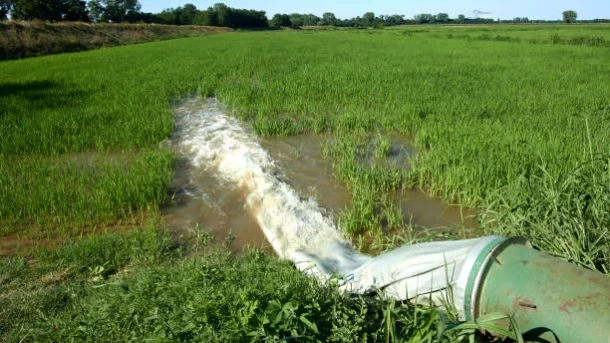
Chemical fertilizers

What role do bats play in agriculture, especially in terms of pest control and pollination?

pest

Bats are voracious insect eaters, and the majority of the insects they consume are nocturnal. Many of these pest insects harm crops and lower yields in agriculture. Bats assist in naturally reducing pest populations by eating a lot of insects. As a result, fewer chemical pesticides are required, which is better for the environment and everyone’s health. The ability of bats to control pests is especially useful in tropical areas with high bug populations.
Some bat species play a vital role in pollination, particularly in tropical and subtropical areas. They had a common ancestor with several plant species that depend on bat pollination. Frequently, the huge, fragrant flowers on these plants bloom at night, when bat activity is greatest. Bats unintentionally spread pollen from flower to bloom as they consume nectar, assisting in the fertilization process. Bats and the plants they visit benefit from this reciprocal interaction. Many economically significant plants, including agave, bananas, mangoes, and guavas, rely on bat pollination to reproduce.

It’s important to note that due to the diversity of their diets and foraging habits, not all bat species participate in pollination or pest control. However, bats generally contribute significantly to agriculture by providing natural pest control.

How do bees and other pollinators play a vital role in agricultural productivity and crop yield?

pollinators

Pollen is transferred from the male reproductive organs (anthers) of flowers to the female reproductive organs (stigma) by pollinators such bees, butterflies, moths, flies, and beetles. The development of seeds and fruits depends on the pollen being transferred, which is necessary for fertilization. This pollination process is crucial for the abundant harvest of many crops.

Increased fruit set: Pollinators aid plants in producing more fruit. Flowers are more likely to successfully fertilize and produce fruit when they get pollen from sources that are compatible with each other. More flowers are effectively pollinated thanks to pollinators, increasing crop yields and yields of products.

Crop features and quality: Consistent fruit and seed development is a result of efficient pollination, which raises crop quality. Consistent size, shape, color, and flavor of fruits and vegetables are made possible by proper pollination. Their market worth, aesthetic appeal, and customer preference are all increased as a result.

Genetic variety: Pollinators help maintain agricultural genetic variation. Pollinators help to encourage cross-pollination, which enables the transfer of genetic material between various plants. Crops are better able to adapt to environmental changes, pests, and illnesses thanks to their genetic diversity.

What are some examples of beneficial soil microorganisms and how do they contribute to soil health and nutrient cycling?

soil

The most prevalent type of microorganism in soil is bacteria. Among the helpful bacteria are:
In symbiotic partnerships with leguminous plants, nitrogen-fixing bacteria Rhizobium and Bradyrhizobium transform atmospheric nitrogen into a form that plants may use for growth. This biological nitrogen fixation improves soil fertility while reducing the requirement for manufactured nitrogen fertilizers.

Bacteria that solubilize phosphorus in soil: Some bacteria, including Pseudomonas and Bacillus species, may accomplish this, increasing the availability of phosphorus to plants. They help plants develop and absorb phosphorus more effectively.

Bacteria that promote plant development: Some bacteria, such as the Azospirillum and Bacillus species, can promote plant growth through a variety of methods, such as the creation of chemicals that promote growth, the mobilization of nutrients, and the suppression of disease.

Fungi: Fungi are essential for the breakdown of organic materials and the cycling of nutrients. Fungi that are useful include:
Fungal mycorrhizae: Both ectomycorrhizal (ECM) and arbuscular (AM) mycorrhizal (AM) fungi create symbiotic relationships with plant roots. They increase nutrient and water intake, notably phosphorus, by expanding the root system. Plants provide the fungal glucose in exchange. Mycorrhizal fungi boost plant stress tolerance, increase nutrient availability, and aid in soil aggregation.

Fungi that decompose material: Fungi that decompose material break down complex organic stuff, such as dead plant matter, into simpler components. This procedure improves soil structure and nutrient availability by releasing nutrients back into the soil and encouraging the production of humus.

What are the problems caused by inadequate access to credit and financial services for agricultural investments?

financial services

Farmers and the agricultural industry as a whole may face serious difficulties as a result of inadequate access to financing and financial services for agricultural investments. The following are some issues that may result from this problem.

Limited Investment Capacity: Farmers’ capacity to invest in contemporary agricultural practices, machinery, equipment, and technology may be constrained by a lack of access to financing and financial services. Because of this, they are less productive and efficient, which results in lower yields, lower profits, and less chances for expansion and diversification.

Limited Expansion and Innovation: Farmers may encounter difficulties implementing new farming methods or expanding their enterprises without access to credit. Farmers may be unable to adapt to shifting market demands and environmental issues if they are unable to embrace sustainable and climate-smart practices.

Limited Working Capital: Seasonal financial flows and erratic income trends are features of the agricultural industry. Farmers may struggle to buy supplies like seeds, fertilizer, and insecticides or to find workers to work during crucial production seasons if they have insufficient access to financing. This may cause crop quality to decline, output to be delayed, and market opportunities to be lost.

Lack of access to financing and financial services makes farmers more susceptible to hazards like pest infestations, diseases, and natural disasters. Farmers may find it difficult to recover from such shocks and to reestablish their businesses in the absence of financial safety nets. Farmers’ communities may experience a rise in poverty and food insecurity as a result of this.

What are the issues related to land degradation and the depletion of natural resources in agriculture?

land degradation

Natural resource depletion in agriculture and land degradation are serious problems with many interrelated problems.

Erosion of the soil can be caused by unsustainable agricultural practices such heavy tillage, inadequate irrigation, and insufficient soil conservation measures. The topsoil layer, which is essential for nutrient retention, water infiltration, and plant growth, deteriorates due to soil erosion. It lessens agricultural output, decreases soil fertility, and raises the possibility of land degradation.

Loss of Soil Organic Matter: The depletion of soil organic matter can be brought on by ongoing farming, bad land management techniques, and excessive use of synthetic fertilizers. In soil structure, nutrient cycling, moisture retention, and carbon sequestration, soil organic matter is crucial. Due to its loss, soil fertility is decreased, soil structure is weakened, and the susceptibility of land.

Water shortage and Pollution: Water shortage is a result of unsustainable agricultural practices such excessive water consumption, ineffective irrigation systems, and poor water management. Aquifers can be depleted and water availability for agriculture and other industries reduced as a result of excessive water use. Additionally, agricultural runoff that is polluted by pesticides, fertilizers, and sediments can impact aquatic ecosystems and human health by contaminating water sources.

How does the limited availability of land and competition for resources impact agricultural sustainability?

Agricultural sustainability is significantly impacted by the limited land supply and competition for resources in a number of ways.

Land degradation: Due to the scarcity of arable land, agricultural activity may be expanded into remote or ecologically delicate places. This growth may accelerate land degradation, which includes habitat loss, deforestation, soil erosion, and loss of soil fertility. Agriculture’s long-term sustainability and productivity are threatened by land degradation.

Overuse of resources and intensification of production: Increasing food demand and a lack of available farmland are two factors that frequently result in agricultural output being intensified. Increased use of fertilizers, pesticides, and irrigation are some of the methods used in intensification to maximize yield from scarce land resources. Water pollution, for example, can result from the misuse or excessive usage of natural resources.

Loss of Biodiversity and Ecosystem Services: Due to a lack of available land, natural habitats like wetlands and forests may be turned into agricultural land. This conversion results in the loss of ecosystem services including pollination, pest management, soil nutrient cycling, and climate regulation, as well as biodiversity. A decrease in agricultural output, an increase in the need of synthetic inputs, and a decrease in the ability of agricultural systems to withstand environmental pressures can all result from the loss of these services.

Conflicts between multiple land uses, including agriculture, urbanization, infrastructure development, and conservation, might arise due to the limited amount of available land.

How does the absence of effective land-use planning and zoning policies impact sustainable agriculture?

land-use

Encroachment on Agricultural Land: Without adequate land-use planning and zoning, infrastructure projects, industrial operations, and urban expansion may all encroach on agricultural land. This causes fertile farmland to be converted to non-agricultural uses, resulting in the loss of important agricultural resources and a reduction in the amount of land available for sustainable farming methods.

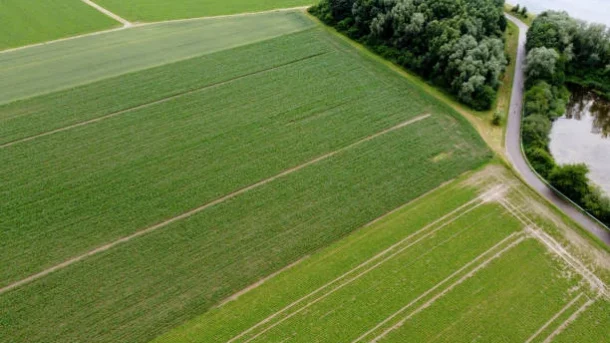
Agriculture land fragmentation: Without defined land-use planning guidelines, agricultural land may be split into smaller portions as a result of unplanned urban growth or property subdivision. Farming operations are hindered by fragmentation, which also diminishes economies of scale and restricts the adoption of sustainable land management techniques.

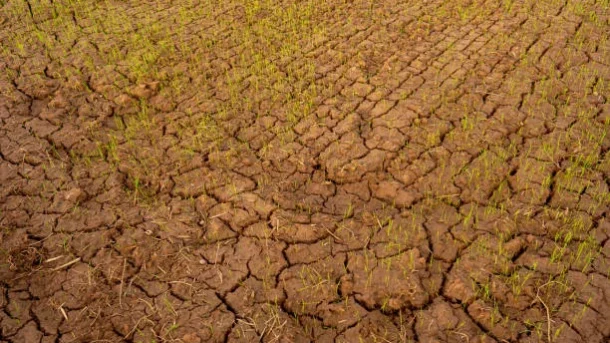
Soil Degradation and Loss: Poor land-use planning can lead to land practices that are not sustainable, such as excessive use of chemical fertilizers, poor irrigation techniques, and insufficient soil conservation measures. This can endanger the long-term productivity and sustainability of agricultural land by causing soil erosion, nutrient depletion, and soil fertility loss.

Impacts on the Environment: Poor land-use planning can result in ecosystem harm and environmental deterioration. The danger of contamination from urban runoff, industrial pollutants, and chemical inputs can rise if there are insufficient buffer zones between agricultural and non-agricultural regions. The health of the environment, biodiversity, and water quality may all be negatively impacted by this.

How does the lack of access to credit and financial services for agricultural investments hinder farmers’ productivity?

credit and financial services

The productivity of farmers can be hampered in a number of ways by a lack of access to financing credit and financial services for agricultural investments:

Limited Investment Capacity: Farmers may not have the money they need to invest in agricultural supplies, technology, and infrastructure that can increase production if they do not have access to credit and financial services. This entails investing in top-notch seeds, fertilizer, irrigation equipment, farming practices, and machines. Lower productivity levels might come from farmers being unable to embrace new methods and technology due to a lack of investment capacity.

Restricted Expansion and Diversification: Farmers may find it difficult to extend their businesses or diversify into higher-value animals or crops due to a lack of finance and financial services. Investments in operating capital, infrastructure, equipment, and land are necessary upfront for expansion and diversification.

Inability to Adopt contemporary technology: By using contemporary technology like irrigation systems, mechanization, and precision agriculture, agricultural production may be considerably increased. These solutions, however, frequently need a sizable initial expenditure. Farmers may be unable to purchase and utilize these technologies due to a shortage of credit and financial services, which limits their capacity to increase production and efficiency.

Limited Working Capital: For day-to-day agricultural activities, such as buying supplies, hiring labour, and managing cash flow, enough working capital is crucial. Lack of access to finance can make it difficult for farmers to keep enough operating capital on hand, which can cause interruptions in farming operations, less than ideal decision-making, and decreased production.

How does the limited access to affordable and environmentally friendly farm inputs hinder sustainable agriculture?

farm inputs

Sustainable agriculture may be hampered by the restricted availability of inexpensive and ecologically acceptable farm inputs in a number of ways:

Restricted Adoption of Sustainable Practises: Environmentally friendly inputs including organic fertilisers, biopesticides, and biological control agents are frequently needed in sustainable agriculture. Farmers may, however, turn to traditional inputs that might have detrimental environmental effects, including synthetic fertilisers and chemical pesticides, if these inputs are not easily accessible or reasonably priced. Farmers’ inability to adopt and put into practise sustainable practices is hampered by limited availability to sustainable inputs, which jeopardises agriculture’s overall sustainability.

Degradation of the soil and nutrient imbalance: Sustainable agriculture emphasises the need of preserving the fertility and health of the soil. Farmers may, however, significantly rely on synthetic fertilizers if they don’t have access to inexpensive organic fertilizers and soil amendments.

Increased Production prices: Compared to conventional inputs, environmentally friendly inputs like organic fertilizers or biological pest control agents may have higher upfront prices. Farmers’ production costs may rise as a result of limited access to inexpensive solutions, making sustainable practices unprofitable. The adoption of sustainable farming practices by farmers may be discouraged as a result, and the shift to more environmentally friendly production systems may be hampered.

Dependence on External Inputs: A cycle of dependence on external inputs can be sustained by limited availability to inexpensive and sustainable farm inputs. Due to increased reliance on pricey synthetic fertilisers, toxic pesticides, and other external inputs, farmers may experience greater production costs, decreased profitability, and increased market vulnerability. Additionally, it hinders the capacity of farmers to build resilience and self-sufficiency within their farming systems.

What are the problems caused by the overuse and mismanagement of water resources in agriculture?

overuse

Water scarcity: Agriculture uses a lot of water, and when water supplies are depleted due to overuse in farming, there will be less water available. The depletion of aquifers, reduced river flows, and the drying up of lakes and wetlands can be caused by excessive groundwater pumping, excessive irrigation, and ineffective water management techniques. Water scarcity affects the sustainability of water supplies, poses problems for farmers in irrigated areas, and limits the amount of water available to other industries and ecosystems.

Reduced water quality: Poor agricultural water management techniques, such as overusing pesticides and fertilizers, can cause water pollution. Eutrophication, algal blooms, and water quality degradation can result from sediment, nutrients, and chemical residues carried by runoff from agricultural areas.

Soil salinization: The buildup of salts in the soil decreases its fertility and agricultural output. Over-irrigation and inadequate drainage practices might be contributing factors. In dry and semi-arid areas, when evaporation rates are higher than rainfall and salts are left in the soil, salinization is particularly prevalent. Plant development is restricted by salinization, which also necessitates expensive and labor-intensive procedures to reclaim and rehabilitate impacted soils.

Groundwater depletion: In places with a shortage of surface water supplies, agriculture heavily depends on groundwater for irrigation. Aquifers may be drained by over pumping groundwater for agricultural purposes. Aquifers become dry, the water table falls, and farmers find it challenging to acquire water for irrigation.