Encroachment on Agricultural Land: Without adequate land-use planning and zoning, infrastructure projects, industrial operations, and urban expansion may all encroach on agricultural land. This causes fertile farmland to be converted to non-agricultural uses, resulting in the loss of important agricultural resources and a reduction in the amount of land available for sustainable farming methods.
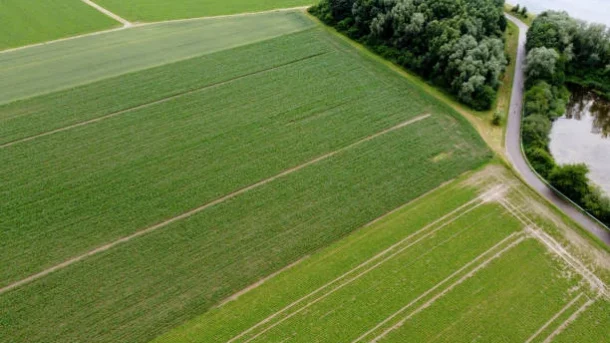
Agriculture land fragmentation: Without defined land-use planning guidelines, agricultural land may be split into smaller portions as a result of unplanned urban growth or property subdivision. Farming operations are hindered by fragmentation, which also diminishes economies of scale and restricts the adoption of sustainable land management techniques.
Soil Degradation and Loss: Poor land-use planning can lead to land practices that are not sustainable, such as excessive use of chemical fertilizers, poor irrigation techniques, and insufficient soil conservation measures. This can endanger the long-term productivity and sustainability of agricultural land by causing soil erosion, nutrient depletion, and soil fertility loss.
Impacts on the Environment: Poor land-use planning can result in ecosystem harm and environmental deterioration. The danger of contamination from urban runoff, industrial pollutants, and chemical inputs can rise if there are insufficient buffer zones between agricultural and non-agricultural regions. The health of the environment, biodiversity, and water quality may all be negatively impacted by this.