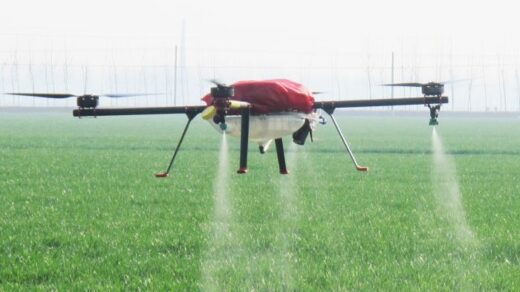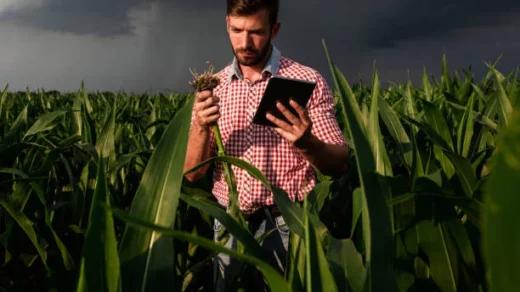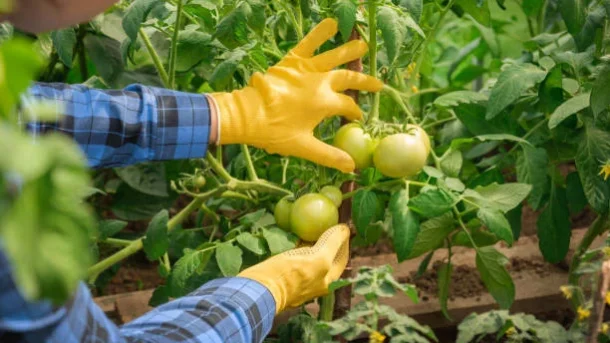
Farmers must overcome a number of obstacles in order to adopt and use sustainable pest and disease management techniques:
Lack of Information and Unawareness: Many farmers might not have access to or be aware of information regarding sustainable methods for managing pests and diseases. They could not be familiar with sustainable agricultural methods or integrated pest management (IPM) techniques, or they might not be aware of alternatives to chemical pesticides.
Limited Access to Resources: It is frequently necessary to get extra resources, such as training, technical assistance, and access to alternative pest control techniques, in order to implement sustainable pest and disease management practices. Farmers, especially small-scale farmers with limited resources, may find it difficult to obtain or buy these services.
Peer influence and cultural aspects: Farmers may be affected by the social mores and customs that are common in their neighborhoods. Farmers may be reluctant to depart from conventional practises or may encounter pushback from peers if sustainable pest and disease control practices are not generally accepted or respected within the agricultural community.
A multifaceted strategy that includes information distribution, capacity building, access to resources and assistance, financial incentives, and legislative support is needed to address these difficulties. Governments, agricultural extension agencies, NGOs, and research facilities all play a significant part in encouraging the use of sustainable pest and disease control techniques and offering training programmes and technical support. Financial institutions may provide farmers making the switch to sustainable farming methods with easily available finance and financial assistance.