Advanced agriculture

What are the key factors to consider when selecting seeds for different crops?

selecting seeds

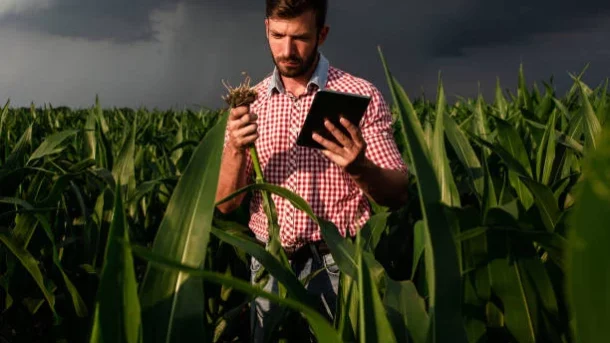
Climate and Growing Conditions: Each crop has unique environmental and climate needs. Take into account the growing season length, humidity, rainfall, and temperature in your area. To increase the likelihood that your seeds will germinate and grow well, selecting seeds that are well adapted to your region’s climate.

In order to grow a given crop, selecting seeds that are resistant to typical diseases and pests that harm that crop. The need of chemical interventions can be minimized with the use of disease-resistant seedlings.

Yield and Productivity: Take into account the crop variety you are choosing’s potential yield and productivity. Look for seeds that have a history of consistently producing good yields. Frequently, seed catalogs or regional agricultural extension offices will have this information.

Maturity Period: The time from planting to harvest is referred to as a crop’s maturity period. Choose seeds with a maturation duration that corresponds with the length of your growing season. By doing this, you can be confident that the crop will have enough time to mature and yield a harvest before bad weather conditions appear.

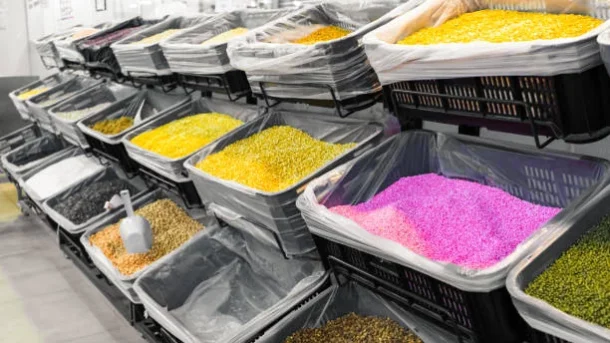
Quality and Viability: Pick seeds with a high level of both quality and viability. Examine elements including seed uniformity, color, and size. To retain the seeds’ viability, make sure they are properly stored and are not old.

Desired Traits: Take into account any particular traits or qualities you are trying to find in your crop. This may involve elements like flavor, color, texture, or particular nutritional characteristics. The flavor, look, and nutritional content of different seed kinds might vary.

What are the problems caused by inadequate access to credit and financial services for agricultural investments?

financial services

Farmers and the agricultural industry as a whole may face serious difficulties as a result of inadequate access to financing and financial services for agricultural investments. The following are some issues that may result from this problem.

Limited Investment Capacity: Farmers’ capacity to invest in contemporary agricultural practices, machinery, equipment, and technology may be constrained by a lack of access to financing and financial services. Because of this, they are less productive and efficient, which results in lower yields, lower profits, and less chances for expansion and diversification.

Limited Expansion and Innovation: Farmers may encounter difficulties implementing new farming methods or expanding their enterprises without access to credit. Farmers may be unable to adapt to shifting market demands and environmental issues if they are unable to embrace sustainable and climate-smart practices.

Limited Working Capital: Seasonal financial flows and erratic income trends are features of the agricultural industry. Farmers may struggle to buy supplies like seeds, fertilizer, and insecticides or to find workers to work during crucial production seasons if they have insufficient access to financing. This may cause crop quality to decline, output to be delayed, and market opportunities to be lost.

Lack of access to financing and financial services makes farmers more susceptible to hazards like pest infestations, diseases, and natural disasters. Farmers may find it difficult to recover from such shocks and to reestablish their businesses in the absence of financial safety nets. Farmers’ communities may experience a rise in poverty and food insecurity as a result of this.

How does the lack of capacity-building and training opportunities hinder farmers’ skills development?

capacity-building and training opportunities

The growth of farmers’ skills and their potential to enhance agricultural practices can be severely hampered by a lack of capacity-building and training opportunities. The following are some difficulties that the lack of such possibilities may cause:

Limited Technical Skills and Knowledge: capacity-building and training opportunities give farmers the technical know-how they need to embrace modern farming methods, increase production, and improve sustainability. Without access to training, farmers can rely on old-fashioned practises that reduce yields, waste resources, and make them more susceptible to pests, illnesses, and climate-related problems.

Inadequate Adoption of Best Practices: Training programmes give farmers information on the best practices for managing crops, maintaining healthy soil, controlling pests and diseases, conserving water, and handling produce after harvest. Without sufficient instruction,

Limited Knowledge of Market Dynamics: Training programmes give farmers information on market trends, consumer preferences, dynamics of the value chain, and quality requirements. With the use of this information, farmers may make well-informed choices, adjust their production to market needs, and take advantage of better market prospects. Farmers may lack market information in the absence of training, which makes it difficult for them to advertise their goods and set competitive prices.

What are the issues related to land degradation and the depletion of natural resources in agriculture?

land degradation

Natural resource depletion in agriculture and land degradation are serious problems with many interrelated problems.

Erosion of the soil can be caused by unsustainable agricultural practices such heavy tillage, inadequate irrigation, and insufficient soil conservation measures. The topsoil layer, which is essential for nutrient retention, water infiltration, and plant growth, deteriorates due to soil erosion. It lessens agricultural output, decreases soil fertility, and raises the possibility of land degradation.

Loss of Soil Organic Matter: The depletion of soil organic matter can be brought on by ongoing farming, bad land management techniques, and excessive use of synthetic fertilizers. In soil structure, nutrient cycling, moisture retention, and carbon sequestration, soil organic matter is crucial. Due to its loss, soil fertility is decreased, soil structure is weakened, and the susceptibility of land.

Water shortage and Pollution: Water shortage is a result of unsustainable agricultural practices such excessive water consumption, ineffective irrigation systems, and poor water management. Aquifers can be depleted and water availability for agriculture and other industries reduced as a result of excessive water use. Additionally, agricultural runoff that is polluted by pesticides, fertilizers, and sediments can impact aquatic ecosystems and human health by contaminating water sources.

How does the limited availability of affordable and efficient energy sources impact agricultural productivity?

affordable

The productivity of agriculture can be significantly impacted by the scarcity of affordable, effective energy sources. The following are some ways that this problem may impact agricultural operations:

Water management and irrigation: Access to affordable, dependable electricity is essential for irrigation systems, particularly in regions with irregular or insufficient rainfall. Pumps, irrigation systems, and water distribution to crops all require energy to run. Farmers might have trouble properly irrigating their crops without access to energy, which might result in a shortage of water, lower crop yields, and worse agricultural output.

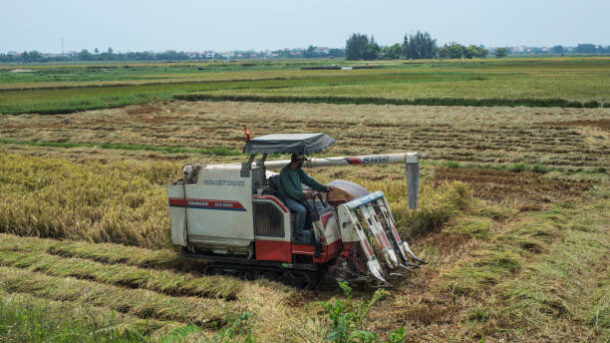
Farm Mechanization and Equipment: Tractors, harvesters, and other processing equipment are examples of the types of farm machinery and equipment that require energy to operate. Agriculture may become much more productive, efficient, and labor-saving with mechanization.

Value Addition in Agro Processing: Agro Processing processes including milling, grinding, and food processing all require energy. Farmers may raise the value of their agricultural products, expand their market options, and diversify their sources of revenue by having access to economical energy sources. Agro-processing activities may be hindered by a lack of energy, which could limit the potential for value addition and economic development in rural areas.

Sustainable Farming Methods: A lot of sustainable farming methods depend on cheap and effective energy sources, including precision agriculture, controlled environment agriculture, and renewable energy integration. For accurate nutrient management, remote monitoring, and energy-efficient heating, cooling, and lighting systems, energy fuels the technology and sensors. The adoption of sustainable farming methods may be hampered by a lack of access to such energy sources, which would limit productivity increases and environmental sustainability.

What are the challenges faced by farmers in adapting to technological advancements and digitalization in agriculture?

digitalization

Farmers must overcome a number of obstacles to adapt to the digitalization and technology improvements in agriculture. Here are some typical difficulties:

Access to Technology: For many farmers, especially those who operate in distant or underdeveloped locations, access to technology—including hardware, software, and digital infrastructure—remains a substantial challenge. Farmers’ capacity to adapt and profit from technology improvements is hampered by their limited access to dependable internet connectivity, smartphones, computers, and other digital gadgets.

Affordability: Using technology frequently entails spending money on equipment purchases, software licenses, and ongoing maintenance charges. It may be difficult for farmers to cover these expenditures, especially small-scale and resource-constrained farmers, which makes it tough for them to invest in and embrace modern technologies.

Data management and privacy: The digitalization of agriculture generates a lot of data, such as information about farms, the weather, and market trends. Farmers might be concerned about data ownership, privacy, and information security. Appropriate data governance frameworks and unambiguous policies are needed for the efficient management and preservation of data in order to address these issues.

Infrastructure and Reliability: Technological improvements depend on a strong and dependable infrastructure, including network coverage, access to electricity, and internet connectivity. However, access to continuous and dependable infrastructure is difficult in many farming areas, especially in rural and isolated places, which restricts the efficient use of digital technology.

What are the problems caused by inadequate post-harvest handling and storage facilities in agriculture?

storage facilities

Social Impacts: In order to be sustainable, agriculture must take into account a variety of social factors, including the welfare of the community and the safety of farm workers. By enforcing labour standards, encouraging fair trade, storage facilities, and assisting local communities, effective laws and regulations can address these social issues. Without such regulations, social injustices, worker exploitation, and a disregard for community welfare may continue.

Lack of Coordination and Collaboration: In order to coordinate and promote collaboration among the numerous stakeholders in the agriculture industry, policies and laws are essential. Governmental organizations, farmers, researchers, business associations, and civic society are all included in this. Collaboration, knowledge exchange, and group action towards sustainable agriculture can be facilitated by effective policies. Without them, there might be disorganisation and a lack of coordination among stakeholders, which would impede the development of sustainable agriculture practices.

Challenges with market time: In agriculture, market timing is essential for achieving the best price realization. Without sufficient storage facilities, farmers would be forced to sell their harvest right away, even when there is little market demand or when pricing are unfavorable. Farmers’ capacity to profit from market opportunities and price variations is constrained by their inability to store produce for longer periods of time.

Seasonal Glutes and Price Volatility: Lack of storage space, particularly for perishable crops, can lead to seasonal glutes. When supply outpaces immediate demand during peak harvest times, farmers may have trouble getting reasonable pricing for their goods. Price volatility, financial losses, and the waste of agricultural resources can all arise from this.

How does the lack of access to information and digital technologies hinder farmers’ adoption of best practices?

The adoption of best practises by farmers can be hampered in a number of ways by a lack of information and digital tools :-

Limited Information: For farmers to stay current on the most recent agricultural practices, techniques, and technology, they must have access to timely and pertinent information. Farmers might not be aware of best practices, such as improved crop types, effective irrigation systems, ways for managing pests and diseases, and methods for managing soil health, if they lack access to information.

Ineffective Decision-Making: Farmers can make well-informed decisions regarding their farming operations thanks to access to information and digital technologies. It aids them in evaluating, among other things, market trends, climatic conditions, input availability, and pricing data. Farmers’ capacity to make decisions is hampered by a lack of such information.

Limited Access to Expertise: Farmers have access to information and digital technologies for technical assistance, guidance from experts, and extension services. They enable farmers to get advice on managing crops, preventing diseases, enhancing soil fertility, and other farming-related issues. Without such access, farmers could struggle to address problems and implement best practises because they lack professional advice.

What are the issues related to food safety and quality control in the agricultural sector?

Contamination of Agricultural Products: Production, processing, shipping, and storage are just a few of the processes where agricultural products may get contaminated. Pathogens, pesticides, heavy metals, mycotoxins, and chemical residues are only a few examples of contaminants. Poor farming methods, inappropriate pesticide use, poor sanitation, and a lack of hygiene standards can contaminate food crops and endanger the health of consumers.

Consuming contaminated food can lead to foodborne illnesses, which can be harmful to human health and even be fatal. Salmonellosis, E. coli infection, listeriosis, and other ailments can be brought on by pathogenic bacteria, viruses, parasites, and other dangerous microbes. During production, processing, and handling, inadequate food safety procedures can increase the risk of contracting foodborne illnesses.

Lack of Traceability and Transparency: Traceability is essential for tracking agricultural products’ origin and transit along the supply chain. It assists in locating the cause of any contamination or quality problems and, if necessary, permits prompt recalls. Effective quality control and response to food safety issues can be hampered by inadequate traceability systems and limited supply chain transparency.

Limited Technical Capacity: Many small-scale farmers and producers in developing countries might not have enough financial or technical resources to put in place effective quality control methods. The ability to identify and address quality and safety problems in agricultural goods might be hampered by a lack of access to testing facilities, suitable tools, and qualified employees.

How does the limited availability of land and competition for resources impact agricultural sustainability?

Agricultural sustainability is significantly impacted by the limited land supply and competition for resources in a number of ways.

Land degradation: Due to the scarcity of arable land, agricultural activity may be expanded into remote or ecologically delicate places. This growth may accelerate land degradation, which includes habitat loss, deforestation, soil erosion, and loss of soil fertility. Agriculture’s long-term sustainability and productivity are threatened by land degradation.

Overuse of resources and intensification of production: Increasing food demand and a lack of available farmland are two factors that frequently result in agricultural output being intensified. Increased use of fertilizers, pesticides, and irrigation are some of the methods used in intensification to maximize yield from scarce land resources. Water pollution, for example, can result from the misuse or excessive usage of natural resources.

Loss of Biodiversity and Ecosystem Services: Due to a lack of available land, natural habitats like wetlands and forests may be turned into agricultural land. This conversion results in the loss of ecosystem services including pollination, pest management, soil nutrient cycling, and climate regulation, as well as biodiversity. A decrease in agricultural output, an increase in the need of synthetic inputs, and a decrease in the ability of agricultural systems to withstand environmental pressures can all result from the loss of these services.

Conflicts between multiple land uses, including agriculture, urbanization, infrastructure development, and conservation, might arise due to the limited amount of available land.