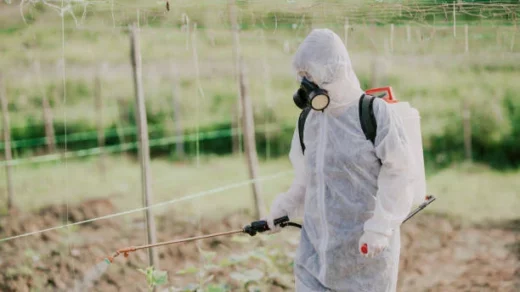
Contamination of Agricultural Products: Production, processing, shipping, and storage are just a few of the processes where agricultural products may get contaminated. Pathogens, pesticides, heavy metals, mycotoxins, and chemical residues are only a few examples of contaminants. Poor farming methods, inappropriate pesticide use, poor sanitation, and a lack of hygiene standards can contaminate food crops and endanger the health of consumers.
Consuming contaminated food can lead to foodborne illnesses, which can be harmful to human health and even be fatal. Salmonellosis, E. coli infection, listeriosis, and other ailments can be brought on by pathogenic bacteria, viruses, parasites, and other dangerous microbes. During production, processing, and handling, inadequate food safety procedures can increase the risk of contracting foodborne illnesses.
Lack of Traceability and Transparency: Traceability is essential for tracking agricultural products’ origin and transit along the supply chain. It assists in locating the cause of any contamination or quality problems and, if necessary, permits prompt recalls. Effective quality control and response to food safety issues can be hampered by inadequate traceability systems and limited supply chain transparency.
Limited Technical Capacity: Many small-scale farmers and producers in developing countries might not have enough financial or technical resources to put in place effective quality control methods. The ability to identify and address quality and safety problems in agricultural goods might be hampered by a lack of access to testing facilities, suitable tools, and qualified employees.