In order to generate energy from renewable and sustainable sources, there have been substantial improvements in the manufacture of biofuel from agricultural waste in recent years. Here are some significant developments in this area:
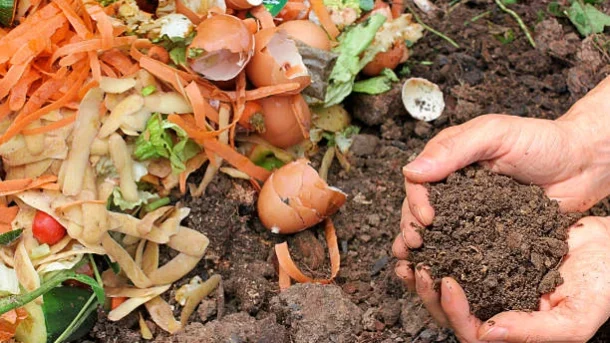
Research has progressed in examining a variety of agricultural waste products as feedstock for the creation of biofuels. Dedicated energy crops, food processing waste, forestry residues, animal manure, and crop residues (such as maize stover, wheat straw, and rice husks) are all included in this. Biofuel production can become more sustainable and less dependent on conventional food crops by expanding its feedstock sources.
A key role is played by enzymes and microorganisms in the enzymatic and microbial conversion of agricultural waste into biofuels. The conversion of cellulose and hemicellulose into fermentable sugars has been facilitated by improvements in enzyme technologies, including the creation of more effective enzymes and enzyme combinations. The performance of microorganisms used for fermentation, such as yeast and bacteria, has also been improved through the application of genetic engineering and metabolic engineering techniques, which has raised biofuel yields and improved fermentation efficiency.
Consolidated Bioprocessing (CBP): CBP is a newly developed method that integrates fermentation, enzymatic hydrolysis, and enzyme synthesis into a single stage. This streamlines the manufacture of biofuel, lowers expenses, and boosts overall effectiveness. CBP uses genetically modified microbes to manufacture enzymes and turn biomass into biofuels in a sustainable manner.