ScientificFarmingWeb

How much light is required for Backyard Quail farming?

Quail

Quails egg production is dependent on light. Hence, to get enough eggs, there must be 16 hours of daily lighting from the 9th week to the Quail bird farm. Light is a very important thing for Quail farming. The newly born baby birds do not survive in cold temperature levels. So, every time you should collect them to reproduce them, you should ensure temperature using light in a separate case called brooder.

Light can achieve by using sunlight and electric bulbs. Ensure 13 hours light till they become7 th weeks older. Eventually increase the lighting by one hour for every week. This means you have to provide one extra hour of lighting. And this process will continue until the total lighting time per day is 15 to 16 hours. More importantly, to produce maximum number of eggs, they will require 16 hours of light when they are about 9 weeks old.
How feeding is done in Quail farming?

feeding

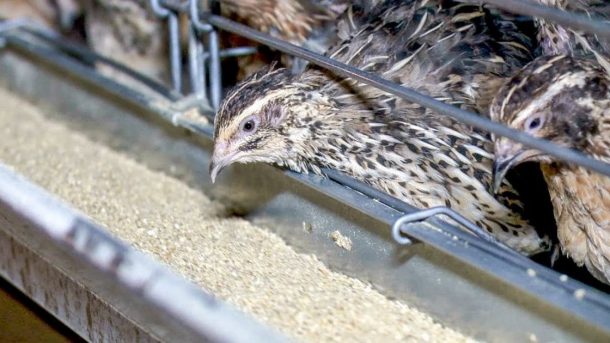
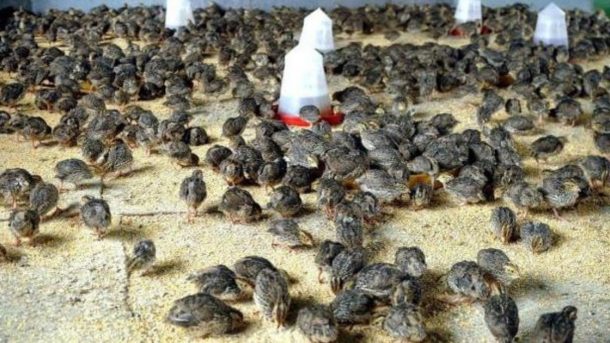
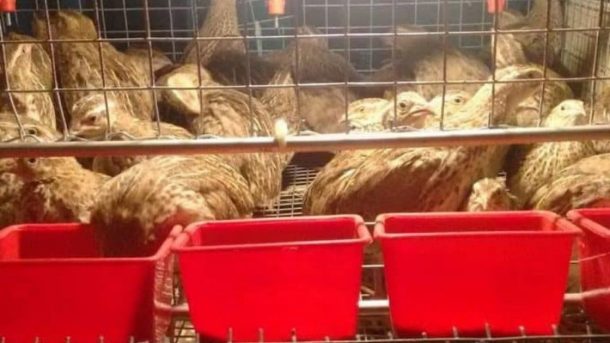
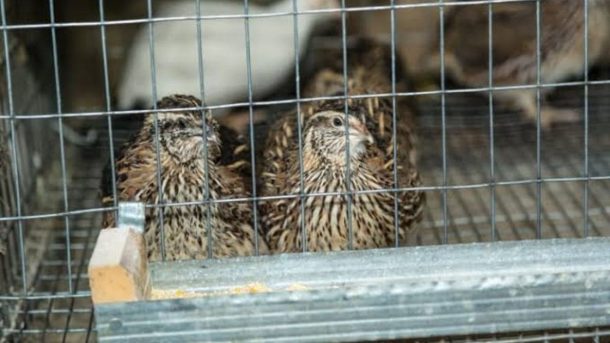
The feeding materials for the quails are tiny pieces of broken wheat, kipper fish, rice bran, sesame cake, broken oyster shell etc. In quail farming, feed management is very important, they need a well-balanced diet. A well-balanced diet guarantees healthy and productive birds which results in expected profits. The feeding cost for quails is very less, as they don’t consume much food.  An adult quail bird consumes 30-35 grams food daily. A quail chick feed should have 25 to 27% proteins and an adult quail feed should contain 22-24% proteins. Poultry feed producing companies are producing commercial feeds for quails, these commercial feeds have all necessary proteins in an exact quantity, which makes you feeding job easy. Along with well-balanced and nutritious feed, provide clean and fresh water.

How disease management is done in Quail farming?

Quail

Generally, diseases in quails are less compared to other birds. However, proper care result in less death rate and good profits. There is no vaccination required in quail farming. Daily cleaning and keeping the farm or floor dry, providing clean water, feeding of quality concentrates, disinfecting the entire farm, proper ventilation for air flow and light will make the environment diseases free. As part of the other disease preventive measure, make sure to separate the sick birds form healthy quails. If the birds are dead, burn them immediately. Don’t mix up different age groups of quails. Maintain the hygienic conditions in the farm throughout the quail growth.

What are the characteristics of Quail bird?

Quail

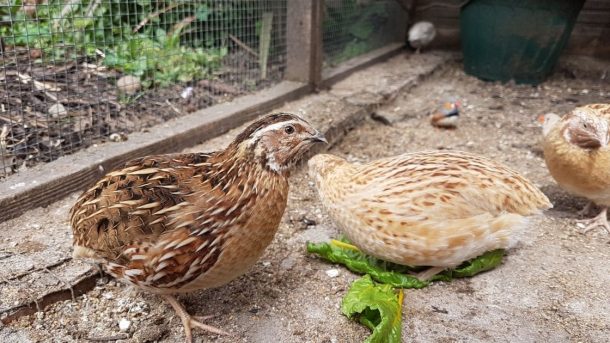
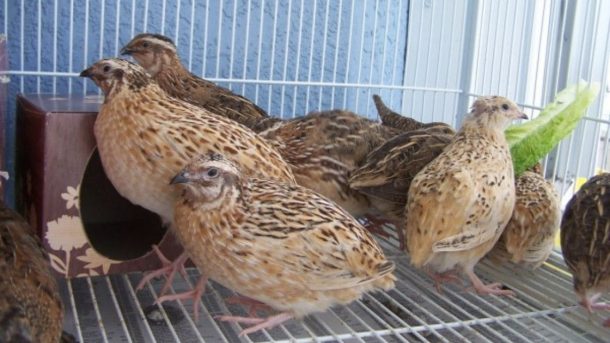
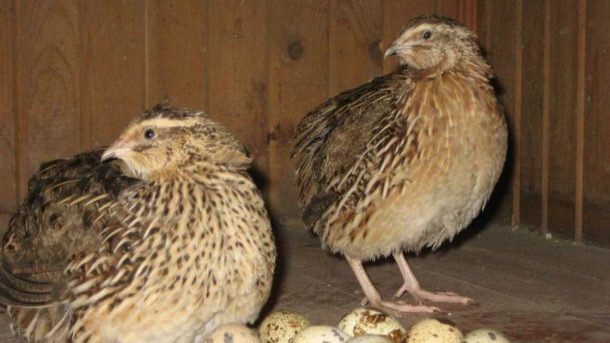
Quail birds are small in size and an adult quail weigh about 200 grams. Quail eggs weighs about 10 to 15 grams. Quail start laying eggs within 7 weeks and they lay one egg daily. Quails lay about 300 eggs in the first year. Thereafter, their egg laying capacity will be going down every year. Quail eggs look beautiful due to multi color. For hatching quail eggs, incubator or brooder chickens should be used as they do not incubate on their own. The incubation time for quail egg is about 15 to 18 days.

What are the advantages of Quail farming?

Quail farming

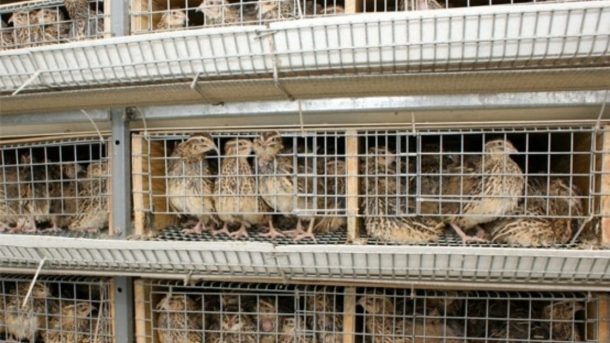
Quail farming requires the smallest initial expenditure than any other bird. Quails are little birds that don’t make take up much space on the floor. Quails are tough when compared to other poultry. Quails mature faster than any other bird, and they begin to lay eggs at 6 to 7 weeks of age. The egg laying rate is quite high, reaching up to 280 eggs per year.

Quail meat is flavorful and leaner than chicken meat. Quail meat is beneficial to children physical and mental development. Despite their small size, quail eggs are having almost the same nutritional value as chicken eggs. Quails can easily be raised with other birds and animals. Commercial quail farming can be a profitable venture.

What is the water requirement for brinjal plants?

water

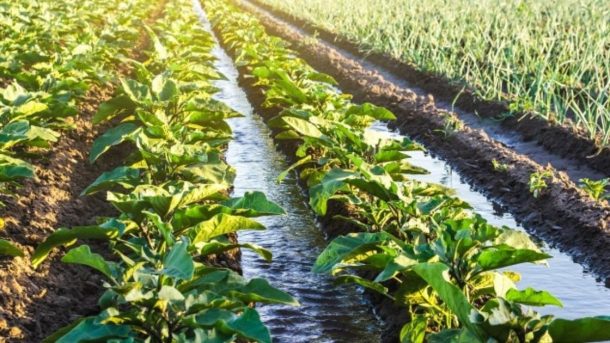
Water the field as per the need of the crop. Timely irrigation is quite essential for good growth, flowering, fruit setting and development of fruits. Higher yield may be obtained at optimum moisture level and soil fertility conditions. In plains, irrigation should be applied every third to the fourth day during hot weather and every 7 to 12 days during winter. Irrigation is given before top dressing of there is no rain. The brinjal field should be regularly irrigated to keep the soil moist during frost days.