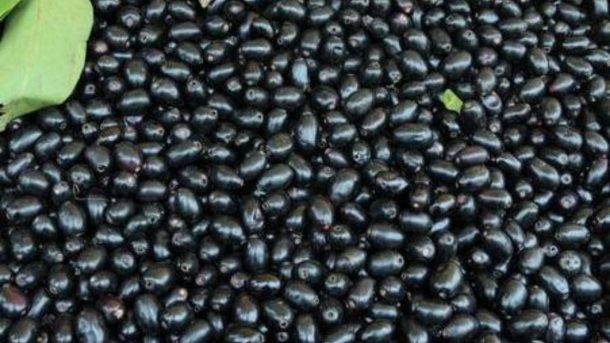
The seedling Jamun trees start bearing after 9 to 10 years of planting. Grafted or budded trees start bearing in 5 to 7 years. The jamun plant can bear for the life span of 60 years. Generally, Jamun fruits come to ripening stage in June- July. After full bloom, it takes about 4 to 5 months to ripen the fruits. Fully ripen jamun fruits should be harvested daily by shaking the tree branches or hand picking and collect the fruits on a polythene sheet. As all fruits do not ripen at the same time, hence it requires number of pickings.
ScientificFarmingWeb
What is the irrigation requirement for jamun farming?
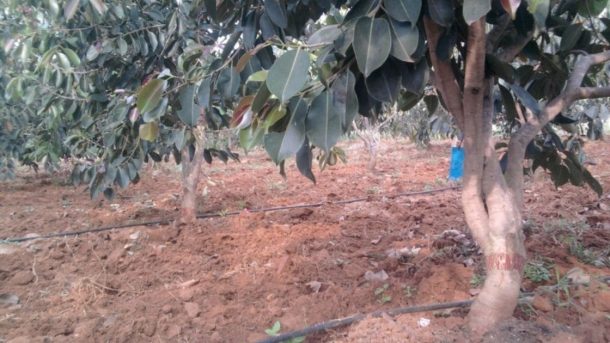
Young jamun plants in early stages requires frequent watering but subsequently, irrigations should be reduced, initial stages of plants require about 12 irrigation per year. Mature trees require once in 2 months in a year, this is important at the fruit ripening stage, occasional irrigation may be carried out when the soil becomes dry and to keep the soil in moist condition.
How plantation is done in Jamun farming?
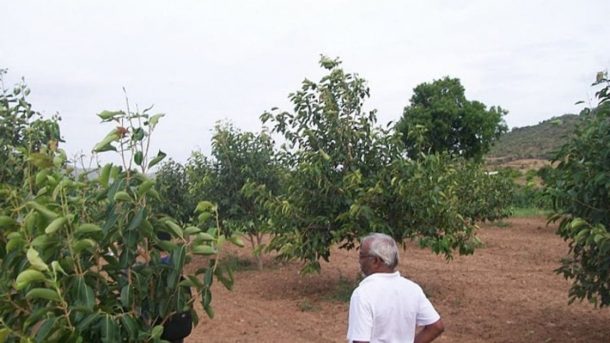
Jamun trees can be planted in both spring and monsoon season. Trees planted during spring season should be provided enough irrigation to survive in dry hot summer weather. Before planting the plantation, main filed should be cleared and thoroughly ploughed. 1×1×1m size pits should be dug @ 10 m apart for seedling plants and @ 8 m apart for budded plants. Complete this process of pits digging before the onset of the spring or monsoon season. The pits should be filled with mixture top soil and well rotten farm yard manure or compost in 3: 1 ratio which is 75% of top soil and 25% manure or compost. About 125 -160 plants can be accommodates in a 1-hectare land.
How propagation is done for Jamun farming?
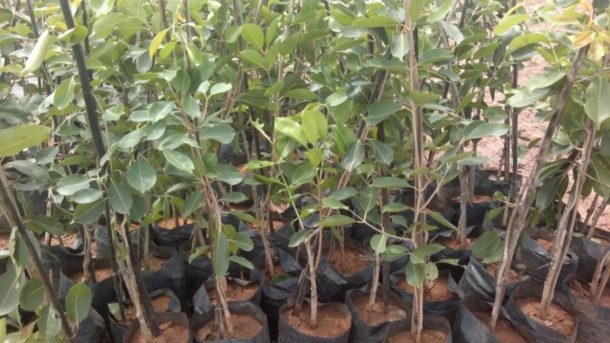
The jamun is propagated in both methods such as by seed and vegetative method. Seed propagation results in late fruit bearing, therefore vegetative method of propagation is preferred for improved or selected types. The seeds have no dormancy; hence fresh seeds can be sown 4-5 cm deep at a distance of 25×15 cm. The seed normally germinate in 11 to 15 days after sowing. The seedlings become ready for transplanting in main field in spring or next monsoon. Budding is most successful. This is performed on 1 year old rootstock having about 10 to 15 mm thickness. The ideal time for budding is July- August in low rainfall regions. Patch, shield and forkert methods of budding give more than 75% success, if performed in the month of march.
What is the soil requirement for jamun farming?
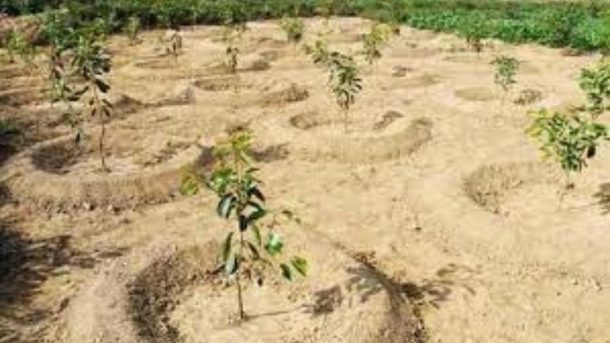
Jamun trees can grown on a wide variety of soils. However, loamy and well drained soils are best suited for good yield and plant growth. Jamun thrives well under waterlogged and salinity conditions as well but these plants do not like very heavy and light sandy soil. Field should be selected such a way that soil should retain good moisture content for better fruit growth. These trees grow well with soil pH range of 6.5 to 7.5.
How to irrigate via smartphone?
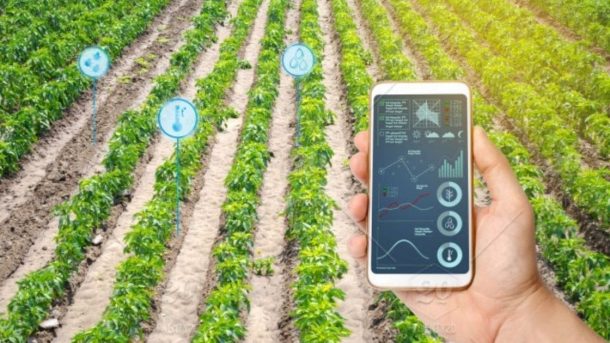
Mobile technology is playing the main role in monitoring and controlling crop irrigation systems. With the right equipment, a farmer can control irrigation systems from a phone or computer instead of driving each field. Moisture sensors in the ground can communicate information about the moisture level present at certain depths in the soil. This increased flexibility allows for more precise control of water and other inputs such as fertilizer that are applied by irrigation pivots.
What is RFID Technology?
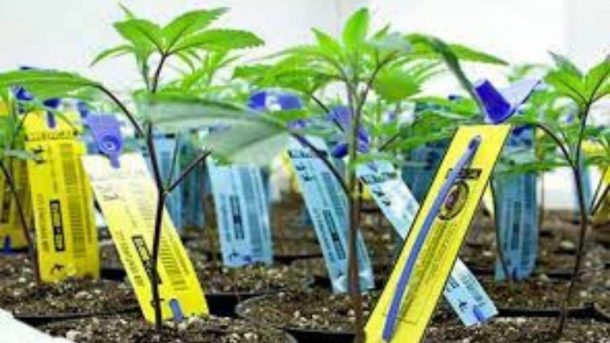
Radio Frequency Identification technology mainly identifies an object by radio frequency without any contact. It has been successfully applied in many industries such as supply chain management, retail management, logistic management and more. RFID technology constitutes a farm monitoring system whereby farmers can now protect their crops from pests and live stock such as cattle can be monitored using wireless sensor network. Similarly, livestock management has already made many strides by using RFID systems to help with remote monitoring of animals using dedicated hardware systems and software systems. The RFID technology has already been used for years in some aspects of the agriculture industry.
How satellite image is useful for Agriculture?
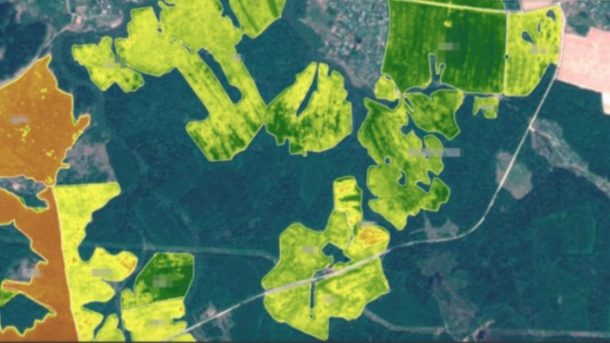
Satellite images can be used for various types of information such as road networks, weather changes, a behavior of oceans etc. But this technology is used to keep an eye on crops without being present on the farm and this saves a considerable amount of money and time.
What is Monoculture of Modern farming methods?
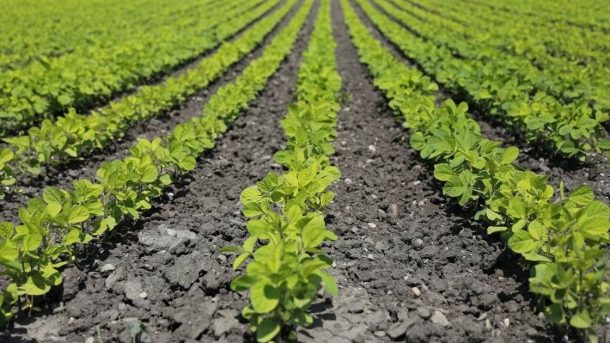
The monoculture farming method is the raising of a single crop within a specified area. Most of the commercial farms in the United States are now in monoculture nature with crops like corn and soy taking top billing. This is in contrast to the traditional technique of farming, which relied on multiple crops being planted within a specific area. Many indoor farms growing medicinal herbs and flowers are measured to be monoculture farms.
Monoculture is the agricultural practice of producing as single crop, single plant or livestock species, variety or breed in a field or farming system at a time. Monoculture farming is widely used in both industrial farming and organic farming and has allowed increased efficiency in planting and harvest.
What is the moisture requirement for Backyard Quail Farming?
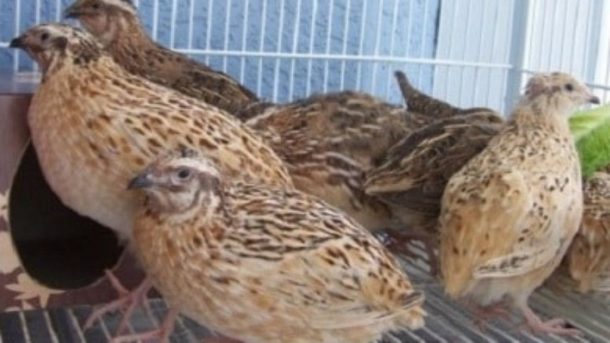
This bird can easily adapt 40 to 70% relative humidity. However, the relative humidity of the house is 55 to 60% good. Quail are unique as they are tiny game birds, smaller even than a bantam breed chicken. Though smaller isn’t always best for everyone, it makes quail an ideal species of poultry for people who live in crowded urban areas. One can keep Quail in a small backyard coop or cage without too much trouble. Proper measure for sanitation should be maintained in place to avoid issue related to smell, disease and issues.