ScientificFarmingWeb

Which Bio-fertilizer are used for seed treatment in finger millet farming?

Bio-fertilizer

Azospirillumbrasulense (N fixing bacterium) and Asperillusawamori (P solubilizing fungus) by 25 g/kg seed treatment with seeds are beneficial. If seeds need to be treated with seed dressing chemicals, first treat the seeds with seed dressing chemicals and then with bio-fertilizer at the time if sowing.

Bio-fertilizer are living and latent cells of micro-organisms that grow under favourable condition and supply, activate, and dissolve plant nutrients. Therefore, their integration with organic and chemical fertilizers adds value for maintaining crop productivity by farming a healthy ecosystem. In general, bio-fertilizer combine well organic manures and inorganic fertilizer.
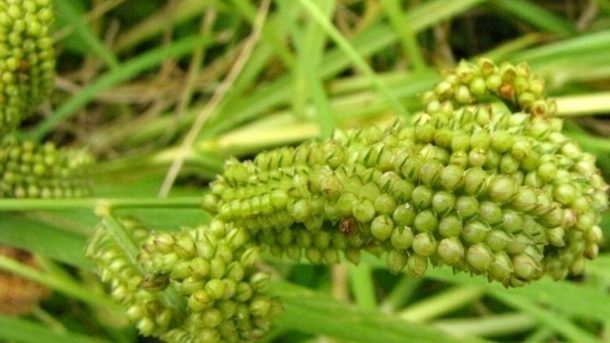
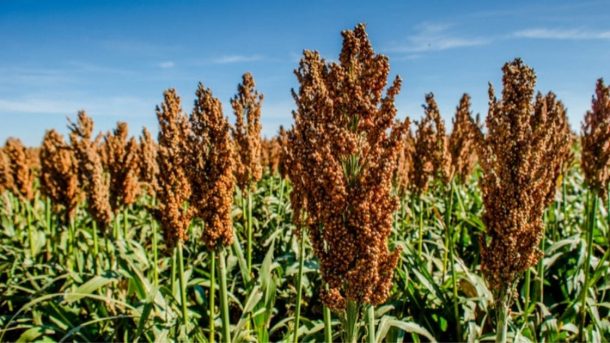
How Organic fertilizers plays a significant role in finger millet production?

finger millet

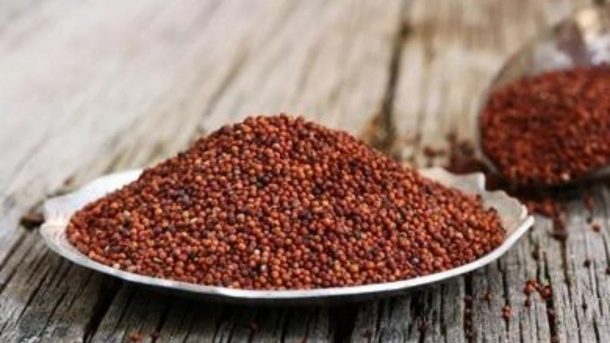
In finger millet farming, there is a need to create efficient organic food sources using Vermicompost, Panchagavya, Jeevamrutha, Beejamruta, and Neem Cake/Neem Seed Extract. Organic Finger millet production was mainly focused on using FYM, compost, green manure, oil cake etc. There fertilizer alone or in combination cannot increase crop yields. Large quantities of organic manure are recommended to improve the soil physiochemical and biological properties and improve finger millet productivity.

How Phosphorus and potassium plays a significant role in finger millet production?

One of the significant problems is growing finger millet facing inherent low soil Phosphorous. It had a unique role in improvising Finger millet production. In very low, medium fertility soils, the recommended use of Phosphorus P by 125% recommended dose of phosphorous (RDP) with recommended N, K and FYM 100% or 75% RDP was maximized whereas, in high P fertile lands, the yield increased at higher rate of P application. Phosphorus utilization efficiency (PUE) was higher at the lower level of P application.

What is the Soil requirement and how field preparation is done for Pumpkin cultivation?

Pumpkin

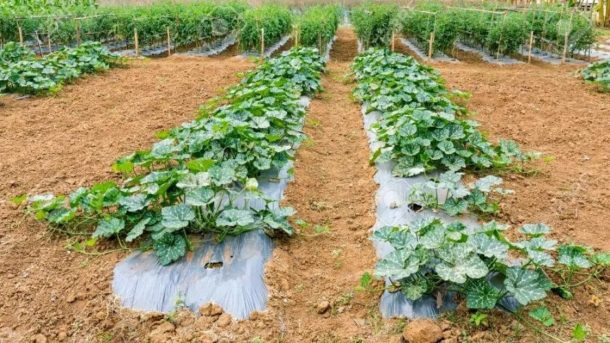
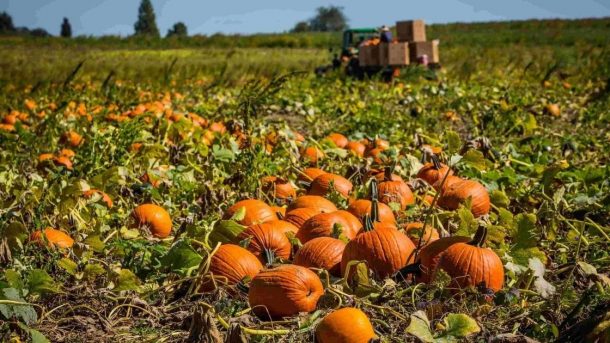
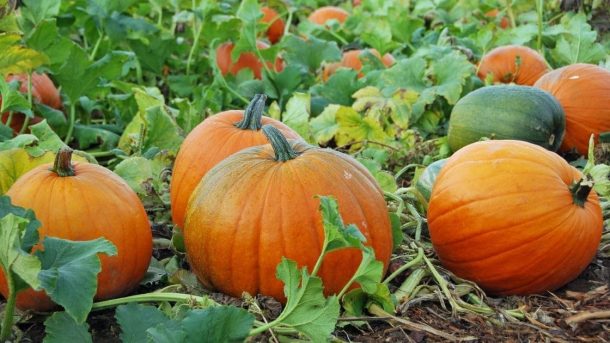
It thrives well in a variety of sandy loam soil with good organic matter is best suited. Soil with good drainage and the PH range of 6 to 7 is ideal for pumpkin cultivation. The field should be levelled to fine tilth, well-drained, fertile (can make adding organic compost of farm Yard Manure (FMY). The selected main field should also have an assure water source.

How seed treatment is done with bio-fertilizer for finger millet?

bio-fertilizer

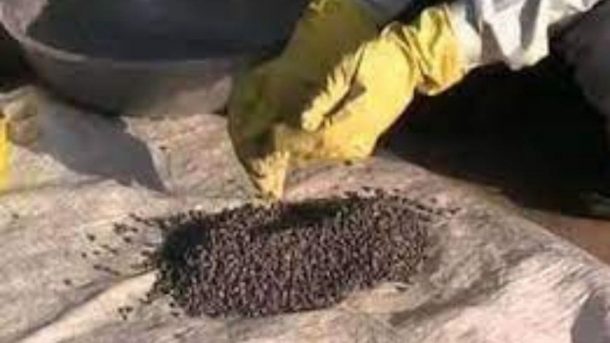
Crop-specific bio-fertilizer culture should be applied at 25g/kg seed. Sticker solution as essential for effective seed vaccination. It can be prepared by dissolving 25 grams of jiggery and sugar in 250 ml water and boiling for 5 minutes. Thus, the solution designed is cooled. Smear the seeds thoroughly using the required amount of sticker solution. After that, add culture to the seeds and mix well to get a fine coating of culture on the seeds. Culture-coated seeds should be dried in the shade to avoid seed clumping. Use inoculated seeds for sowing.

How NPK fertilizers are applied to finger millet farming?

finger millet

The excess amount of organic matter in the soil is considered beneficial for finger millet. It helps improve the physical soil condition, allowing the soil to retain moisture for an extended period. Fertilizer recommendations based on soil test in Vertisols, Alfisols, Inceptisols, and Entisols can be adopted in Western and North-western Zone to recommended fertilizer doses for specific production targets.

As far as possible, apply NKP fertilizer as recommended soil testing. If soil testing recommendation is not available, following the recommendation of blanket of 60 kg N, 30 kg PO5 and 30 kg K20 per hectare. Before planting, apply a half dose of N and a full dose of N, and a total amount of P205 and K20. Spread the finger millet fertilizer mixture in the field before the last ploughing and add to the soil by ploughing.

Why internal fruit necrosis occurs in Aonla and how it can be managed?

necrosis

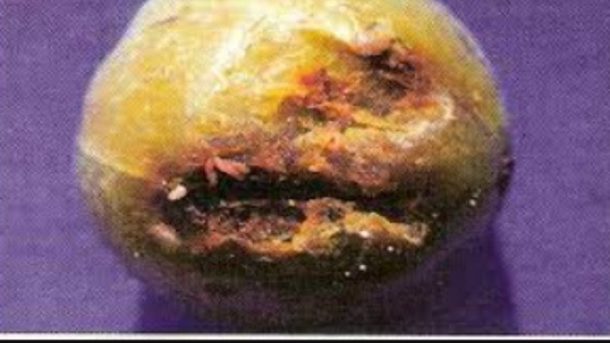
Necrosis is a physiological disorder. It is characterized by browning of innermost part of mesocarpic tissues followed by browning of the epicarp. In severe cases, mesocarp of affected fruit turns black and becomes corky and gummy pockets develop. This is due to deficiency of boron.

It can be managed by Spraying of 0.4-0.6% borax or zinc sulphate (0.4 %) + copper sulphate (0.4 %) thrice during September and October at 10-15 days interval.