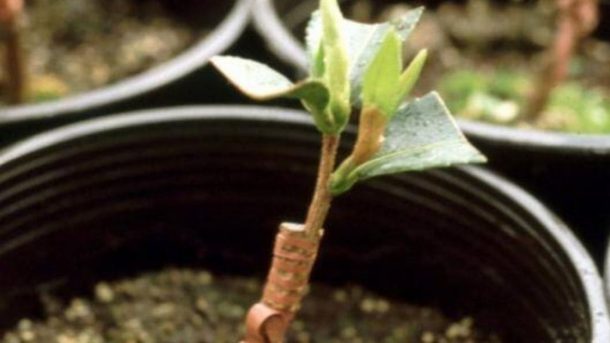
In Grafting method, cuts a 5 cm graft from 12 months older rootstock from about 25 cm above from the field. Then, cut the graft in tongue form from the rootstock. Then it must be planted in the prepared pit followed by light irrigation for a good setting of the grafted rootstock.
ScientificFarmingWeb
How Rootstock Method is done in High density peach planting?
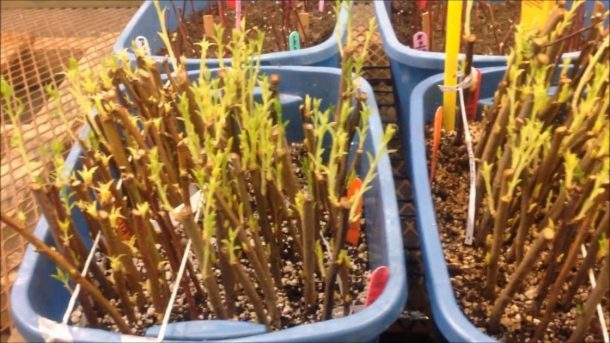
Firstly, keep the selected Peach seeds in moist sand for about 100 days for delamination. Then, treat the seeds with GA3 by 250 mg per liter of water and thiourea by 10 grams per liter of water to increase the germination % and vigor. Then sow these seeds in prepared beds at depth of 5 to 6 cm at 15 cm apart from each other. With this process, the best time for planting season is from October to November. Then, give light irrigation just after the planting on the beds.
How High-Density Peach Planting is done?
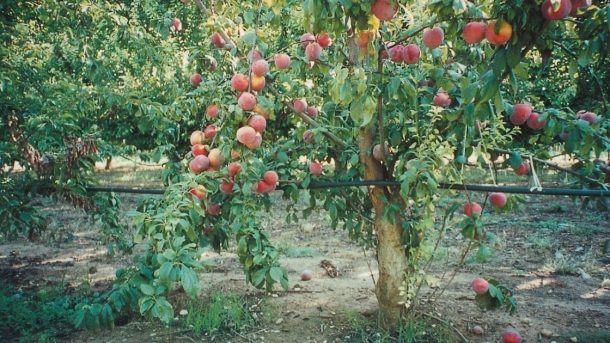
For planting Peach through seeds, plant the seeds in a pit at a depth of about 4 inches deep and then cover it with a mulch, about 1/2 inches deep. Provide water just after planting Peach seeds in the pit. Then, give water based on plant need. After some time, a seedling will appear in the container or pot. However, in commercial Peach farming, this crop is propagated by grafting and rootstock method.
Which is the best Season for High Density Peach Planting?
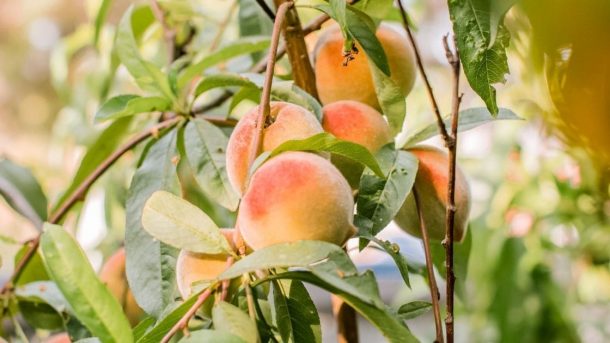
The best season for planting Peach is from June to August which means before the monsoon season starts. And, light irrigation must be given after the plantation. Cultivating Peach in irrigated conditions, the plantation can be done from early December and late January.
What are the different Varieties for High Density Peach Planting?
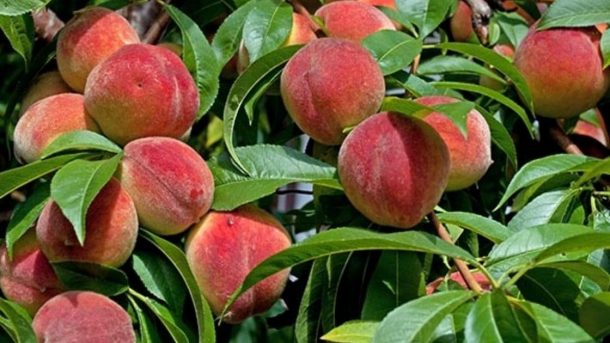
Red heaven peach is the variety which produces a large, almost fuzz-less skin over firm, creamy yellow flesh fruit. The Candor Peach variety fruit is an early maturing yellow clingstone variety. It is a small size Peach and good for a quick snack. In India, the different varieties of Peach trees are Prabhat, Pratap, and Shan-e- Punjab, Florida red sun, Red, Sharbati, and Florida Prince.
What are the Constraints in Adopting High Density Peach Planting Systems?
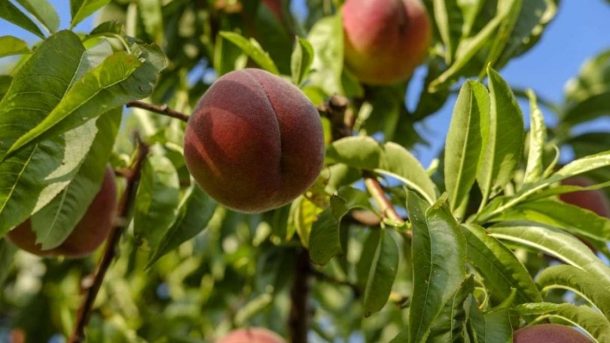
Poor availability of planting material in dwarf tree varieties as well as vegetatively propagated rootstocks in different horticultural crops. Lack of standardization of production technology in high density planting of various fruit crops. The high-density planting requires a higher initial establishment cost as compare to the traditional system of planting. Avoidance in the use of inter-cropping and mixed cropping systems. Need for a more professional approach for management compared to conventional planting at wider spacing. Crowding and intermingling of branches can occur in coming years which can result in poor performance of trees. Non-availability of a complete package for high density planting and use of mechanization.
Which Soil is suitable for High Density Peach Planting?
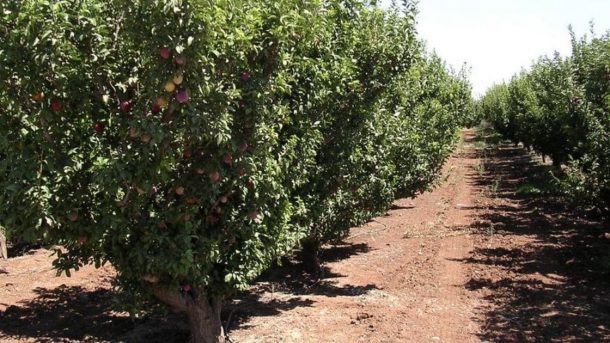
The peach tree requires deep sandy loam soil rich in organic matter with good drainage. The pH level of the soil should be between 5.8 and 6.8. Acidic and saline soils are not suitable for Peach cultivation.
Select a sunny spot with deep, well-drained soil with a pH of around 6.5. Sandy loam or clay loam is best. Choose a site with well drained and moderately fertile soil. These trees won’t do well in areas where the soil is compacted or remains consistently wet. It is a good idea to have the soil tested before planting, and even annually after planting, to determine if it’s lacking in any essential minerals or nutrients.
When and how Harvesting of Cauliflower is done?
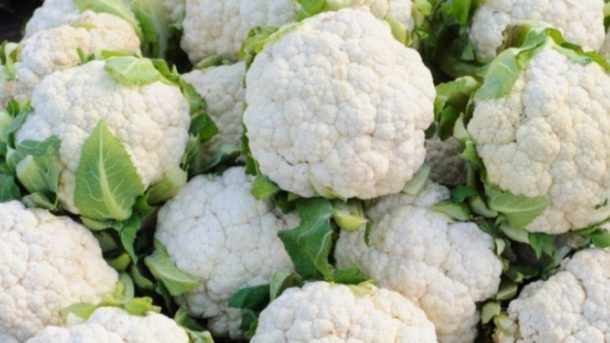
Cauliflower would be ready for harvesting when the proper head has developed. Make sure the head is compact and the plant should be cut below the head so that the stub has left the head from damaging during transportation. The cauliflower plants should be harvested when curds are well developed. As all curds will not come to the maturity at the same time, so only those which are full developed are removed. Harvesting during morning or evening is preferred so that the produce may be kept cool for the market.
What is the irrigation requirement for Cauliflower Farming?
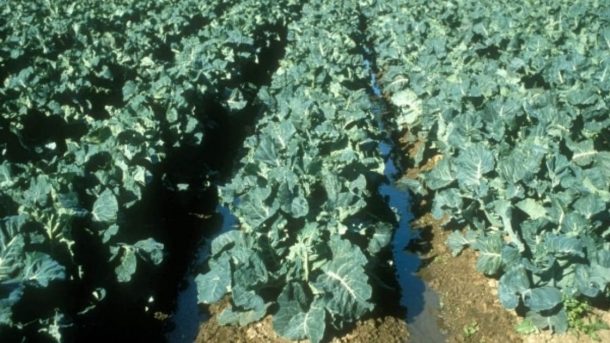
Watering should be provided to crop every 4 – 7 days to the early planting and 10 to 15 days for late crop cultivation. At head formation time, there should be enough moisture content in the main field, so irrigation is required at this point in time. When cauliflower is cultivated late in the season, it should be irrigated frequently. Drip irrigation or Sprinkler irrigation can also be considered for utilizing the water source effectively.
What are the manures and Fertilizers required for Cauliflower Farming?
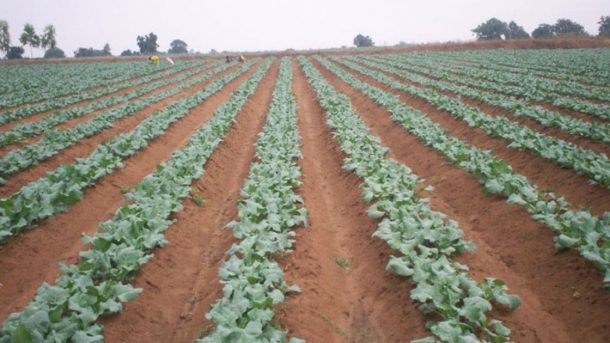
For best result 15-20 tons of Farm Yard Manure (FYM) or any compost should be added the soil about Four weeks before transplanting in preparation of soil. 100 kg of N, 50 kg of P205 /ha should be applied in Cauliflower cultivation.