POSTEDITOR OFFICE

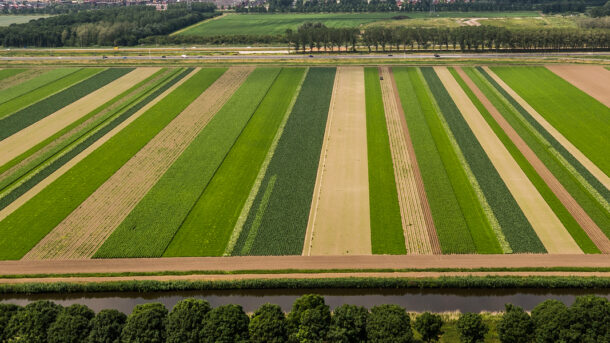
What is the Strip Cropping System?

Strip Cropping System

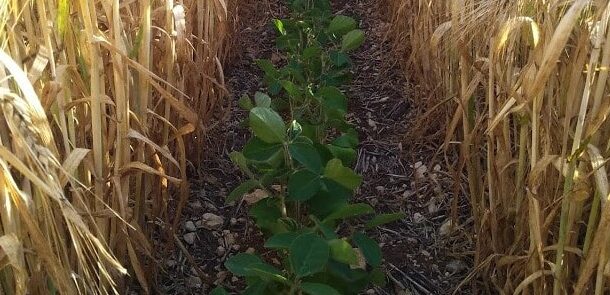
Strip Cropping System is a conservation agriculture technique in which crops are grown in parallel strips, alternating between strips of crops and strips of soil that are left unplanted or covered with cover crops.

The purpose of strip cropping is to reduce soil erosion by slowing down wind and water flow, promoting soil health, and improving crop yields. It can also be used to manage pests and weeds by creating physical barriers that limit their spread. 

Strip Cropping System is often used in combination with other conservation techniques such as contour plowing and the use of cover crops. The choice of crops for strip cropping depends on various factors such as soil type, local climate, and market demand. For example, strip cropping of row crops, such as corn, soybeans, cotton, or sugar beets.
What is the Relay Cropping System?

Relay Cropping System

The relay cropping system is an agricultural method in which two or more crops are grown in sequence in the same field during a growing season, with one crop being sown immediately after the previous crop has been harvested.

The objective of this method is to increase the utilization of land and resources, as well as to improve soil health by reducing soil erosion and preserving soil moisture. The choice of crops in a relay cropping system depends on various factors such as soil type, local climate, and market demand.Rice –cauliflower – onion-summer gourd is one example of relay cropping.

What is meant by Rotational Grazing?

Rotational Grazing

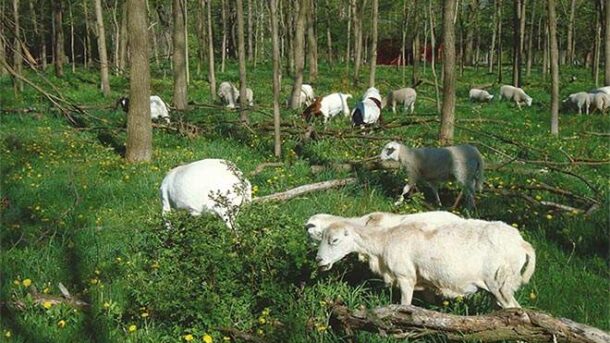
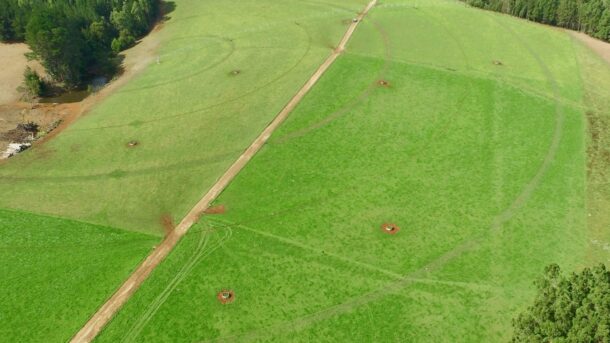
Rotational grazing is a livestock management technique in which animals are moved from one pasture to another on a planned schedule.

The idea behind rotational grazing is to allow the vegetation in each pasture to recover and regrow between grazings, which can improve the quality and quantity of forage, reduce soil erosion, and improve animal health and productivity.

In grazing, pastures are divided into smaller paddocks, and the livestock are moved to a fresh paddock on a regular basis, typically every one to three days. This controlled grazing system helps to distribute the animals’ impact evenly across the land and reduces overgrazing, leading to improved forage production, soil health, and animal health and performance.

What do you mean by the Silvopasture system?

Silvopasture

Silvopasture is an agroforestry system that combines forestry and pastureland management to create a mutually beneficial relationship between trees, forage plants, and livestock. 

In silvopasture, trees are grown in and around pastureland, providing a variety of benefits including shade, wind protection, improved soil health, and enhanced biodiversity. 

Livestock graze the pasture while also benefiting from the trees, which can provide additional food, shelter, and protection. This system has been used for centuries and has been shown to improve both forestry and livestock production outcomes while also providing environmental benefits.

What is the National Mission For Sustainable Agriculture?

KCC

National Mission for Sustainable Agriculture (NMSA) is a central government program in India aimed at promoting sustainable and inclusive growth in the agriculture sector.

The National Mission was launched in 2010 with the objective of increasing agricultural productivity, improving the livelihoods of farmers, and conserving the environment. The program focuses on improving soil health, water management, and promoting agro-forestry, organic farming, and micro-irrigation.

NMSA also provides support to farmers for the adoption of new technologies and best practices, as well as for the development of marketing and value chain systems. The goal of NMSA is to create a sustainable and profitable agriculture sector that meets the needs of farmers, consumers, and the environment.

What is the PMFBY scheme?

PMFBY

PMFBY stands for Pradhan Mantri Fasal Bima Yojana, which is a crop insurance scheme in India launched by the government to protect farmers against crop losses due to natural calamities and other unforeseen events.

The scheme provides financial support to farmers in the event of crop damage and helps them recover their losses. PMFBY covers a wide range of crops, including food crops, oilseeds, and horticultural crops, and it is available to all farmers, regardless of the size of their landholding or type of farming. 

The scheme is implemented through a partnership between the government, insurance companies, and banks and aims to reduce the financial burden on farmers in the event of crop failure.

What is the PMKSY scheme?

PMKSY

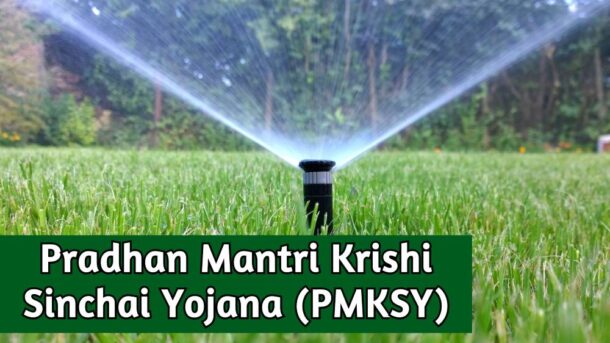
PMKSY stands for Pradhan Mantri Krishi Sinchai Yojana, which is an Indian government scheme aimed at ensuring “per drop more crop” by improving irrigation systems in the country. The scheme aims to expand coverage of irrigation and enhance water-use efficiency in agriculture through the implementation of surface water and ground water development and management projects. 

The ultimate goal of PMKSY is to help increase agricultural productivity and reduce the reliance of farmers on rain-fed agriculture, thereby improving their livelihoods and food security.

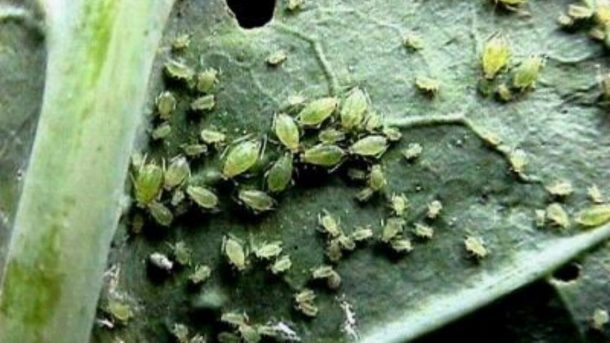
How aphids damage fennel farming?

aphids

Aphids can damage fennel farming by feeding on the sap of fennel plants, causing stunted growth and wilting. They also secrete a sticky substance known as honeydew, which can promote the growth of sooty mold and attract other pests. 

In severe infestations, aphids can weaken the plants and reduce crop yields. To prevent aphid damage in fennel farming, spray dimethoate 30 EC @ 10 ml per 10 lit of water on 50 percent plants having flowering.The higher activity of honeybees is observed during 12 noon to up to 4.00 evening and hence avoid the spraying during this period.

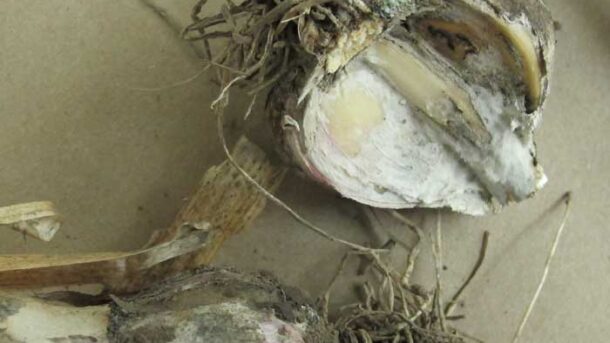
Causes and treatment for Clove rot in garlic.

Clove rot

Clove rot is a fungal disease that affects garlic bulbs and can cause significant yield losses. The disease is caused by the fungus Fusarium oxysporum and is most commonly found in warm and humid growing conditions.

The following are some of the causes of clove rot in garlic:

  • Overwatering: Excessive moisture in the soil can lead to the development of clove rot.
  • Poor air circulation: Stagnant air can increase the humidity around the garlic bulbs and create an environment favorable for fungal growth.
  • Damaged cloves: Cloves that are damaged during harvesting or storage are more susceptible to clove rots.

To prevent and treat clove rot in garlic, it is important to follow these steps:

  • Proper storage: Store garlic bulbs in a cool, dry place to prevent the growth of fungi.
  • Good sanitation: Clean up any plant debris in and around the garlic beds to reduce the risk of disease.
  • Crop rotation: Planting garlic in the same area year after year can lead to the buildup of fungal pathogens in the soil.
  • Fungicide application: detected, fungicides such as captan or mancozeb can be used to control the spread of the disease.

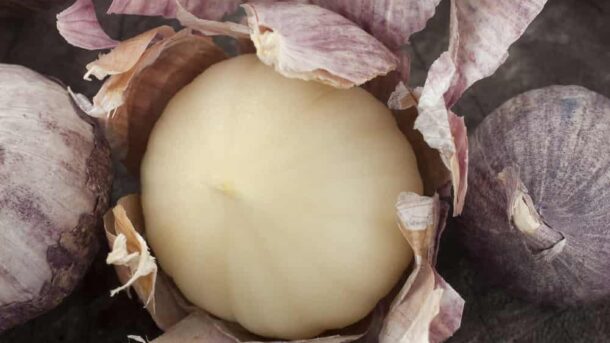
What is Elephant garlic?

Elephant garlic

Elephant garlic is a type of garlic that is larger in size and has a milder flavor compared to traditional garlic. Despite its name, elephant garlic is actually not a true garlic, but rather a member of the leek family.The bulbs, weighing up to 500g, form under the soil, reaching 10 cm in diameter and consisting of 5 or 6 large cloves, surrounded by small bulblets.

This garlic has a large, bulbous head that can be up to four times larger than a traditional garlic bulb. The cloves are also much larger and have a sweeter, milder flavor than traditional garlic. This makes elephant garlics a popular choice for those who are looking for a less pungent garlic flavor in their cooking.

Elephant garlics are easy to grow and can be harvested in late summer. It can be used in a variety of dishes, such as roasted whole, sautéed, or minced and added to sauces, soups, and other recipes.